Top 10 Pedestrian Lift Suppliers & Exporters

Global Industrial Insights, Advanced Technology Roadmap & E-E-A-T Sourcing Guide 2025-2030

Global Procurement Dynamics of Industrial Pedestrian Lifts

Understanding supply chain vectors, regulatory pressures, and global volume forecasts in automated mechanical lift systems.

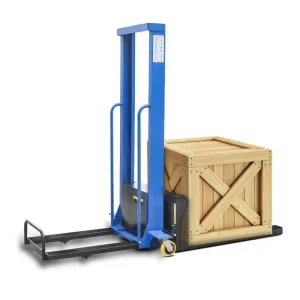
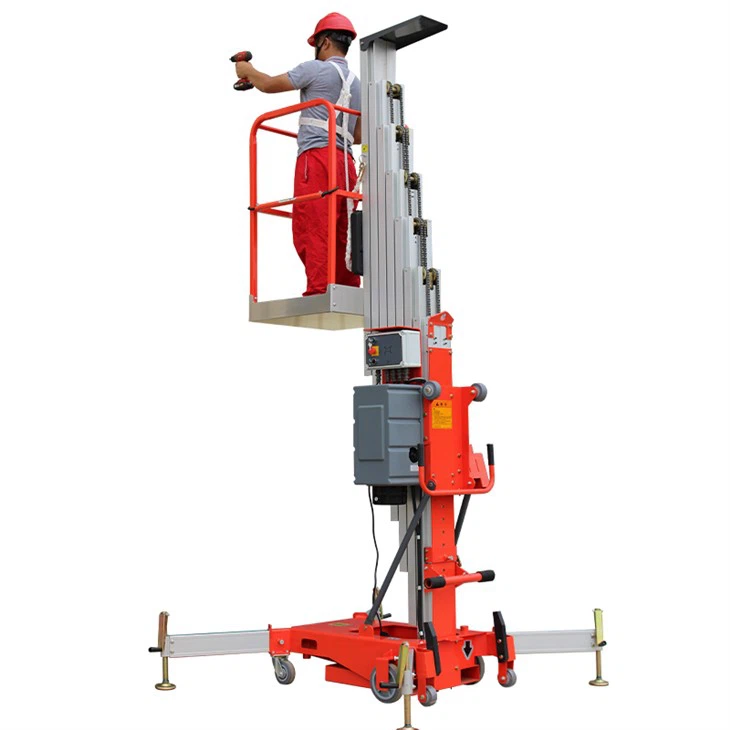
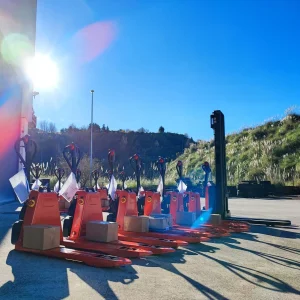
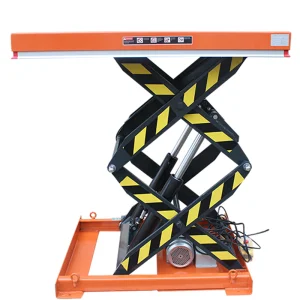
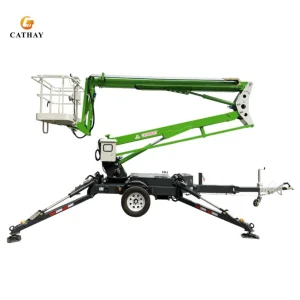
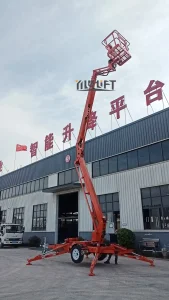
Modern warehousing, high-density manufacturing, and urban construction infrastructures demand a radical reimagining of material handling safety and operational throughput. Historically, manual labor dominated short-distance positioning; however, ergonomic mandates, escalating workers' compensation overheads, and the rise of strict OSHA and CE EN regulations have accelerated the market adoption of pedestrian-operated lifting equipment. These specialized systems—ranging from low-profile hydraulic lift tables to high-altitude towable cherry pickers—bridge the critical gap between heavy industrial forklifts and manual labor.

26+
Years Industry Experience
60+
Countries Exported
15+
Engineering Patents
100%
CE Compliant Manufacturing

Key Global Procurement Drivers

  • Ergonomics & Safety Compliance: Mitigating muscular-skeletal disorders (MSDs) is a high-priority procurement mandate. In the European Union, EN 1570 compliance for hydraulic lift tables requires strict anti-entrapment contact bars, overload relief systems, and descent velocity control limits.
  • Density Optimization: As commercial land values rise, warehousing footprints are scaling vertically. Pedestrian access lifts, narrow-aisle stackers, and mobile platforms allow businesses to utilize vertical spaces without restructuring safety zones or investing in massive ride-on forklifts.
  • Electrification & Zero Emissions: Environmental regulations push factories away from combustion engines. Procurement managers prioritizing carbon-neutral objectives now mandate lithium-ion or lead-acid powered electro-hydraulic drivetrains.

Macro-Industry Engineering Solutions

How specialized engineering addresses sector-specific operational friction and safety challenges.

1. Automotive & High-Tolerance Manufacturing

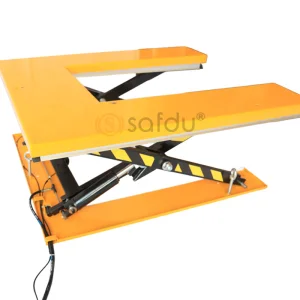
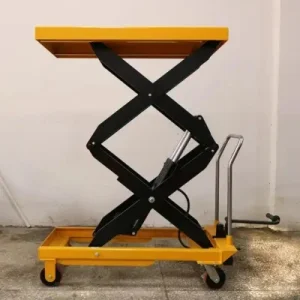
In high-capacity assembly plants, floor levels must adapt in real-time to operators for ergonomics. Custom low-profile lift tables (like the HU1000 series) allow operators to work at natural heights, minimizing bending angles. Integration with factory floor automated guided vehicles (AGVs) requires mechanical lift systems with digital PLC integration, enabling remote height configurations and precise limit switches.

2. Cold Chain, Cleanrooms & Pharmaceutical Storage

Corrosive environments, sub-zero operations, and strict washdown requirements present severe challenges for standard hydraulic oils and carbon steel. Top manufacturers design custom aluminum alloy scaffolding lifts and stainless steel scissor lifts fitted with food-grade hydraulic fluid, IP67 sealed electric enclosures, and corrosion-resistant coatings to prevent contamination.

3. High-Altitude Access & Infrastructure Maintenance

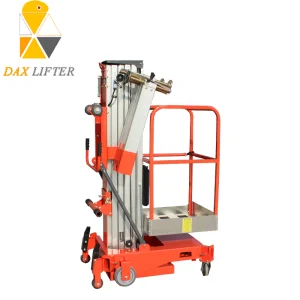
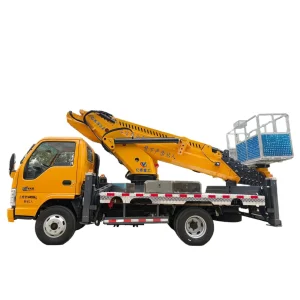
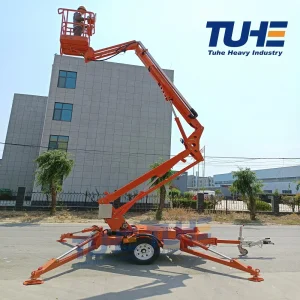
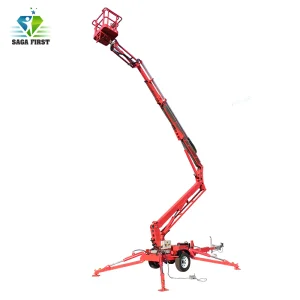
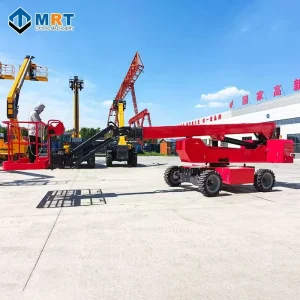
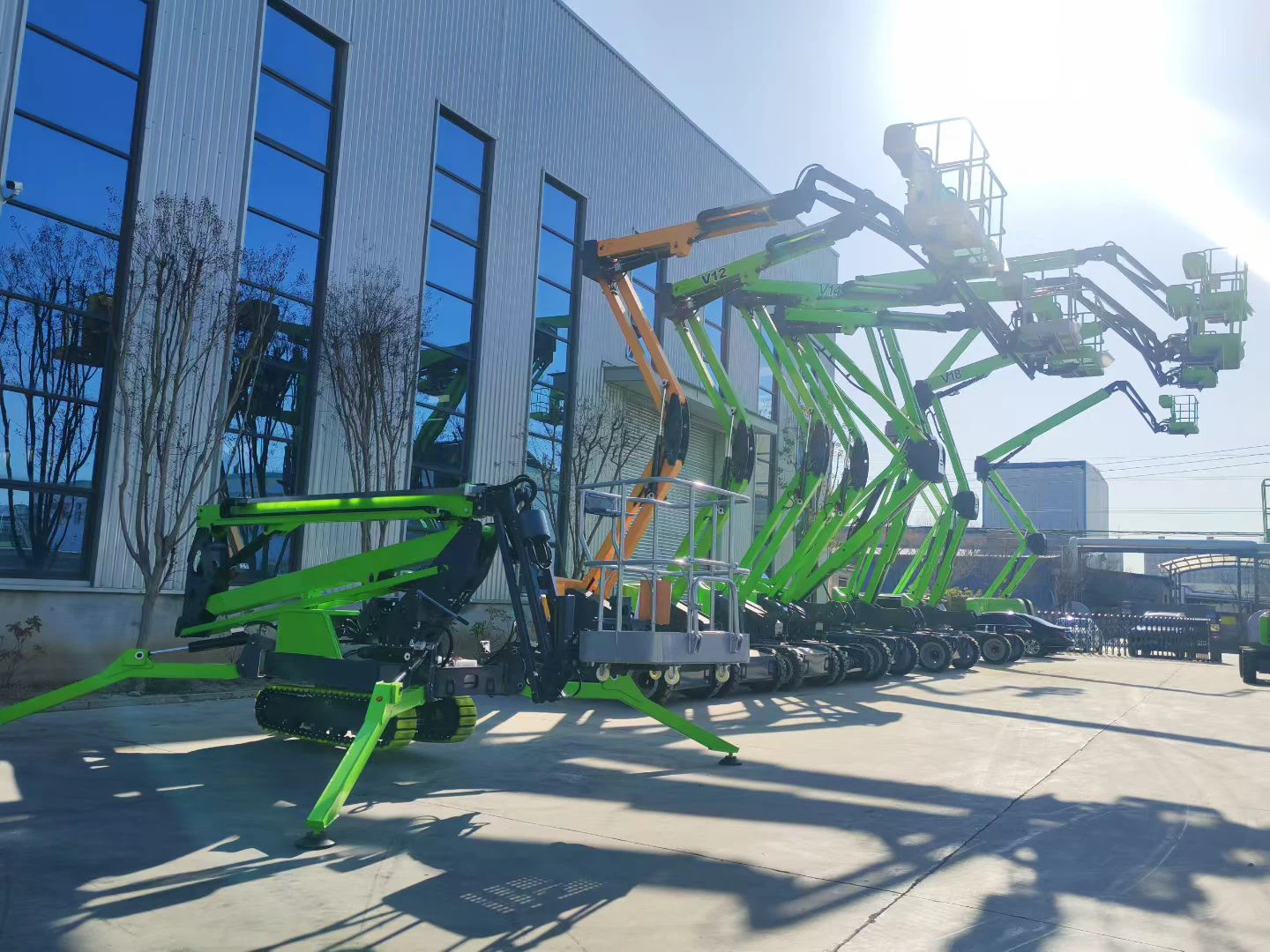
Municipal works and large-scale facilities require mobile access equipment that is easily transportable yet structurally sound. ACDC-powered towable cherry pickers and trailer-mounted spider boom lifts offer dual power inputs (mains AC and battery DC) to allow technicians to work up to 24 meters safely, with integrated outriggers utilizing hydraulic interlocks to prevent deployment on uneven gradients.

Corporate Showcase: Shandong Kleen Lift Co., Ltd.

A premier global manufacturer delivering industrial-grade vertical safety and lifting machinery since 1999.

Our History: Established in 1999 in Shandong Province, China, Shandong Kleen Lift Co., Ltd. has established over 26 years of manufacturing pedigree in heavy mechanical research, design, and manufacturing. By centering operations on precision welding, structural safety, and high-performance hydraulics, Kleen Lift has grown to become a recognized global exporter, provisioning partners in more than 60 countries across Europe, North America, Oceania, and Asia.

Engineering Core: The backbone of our operational excellence lies in our advanced workforce, comprising over 10 mechanical design engineers, 3 specialized electrical systems engineers, and a dedicated team of over 50 skilled manufacturing technicians. Holding multiple utility patents, we build solutions adhering to the core philosophy: "Quality First, Innovation Driven, Customer Focused."
Shandong Kleen Lift Corporate Office

Precision Manufacturing & Workflow Execution

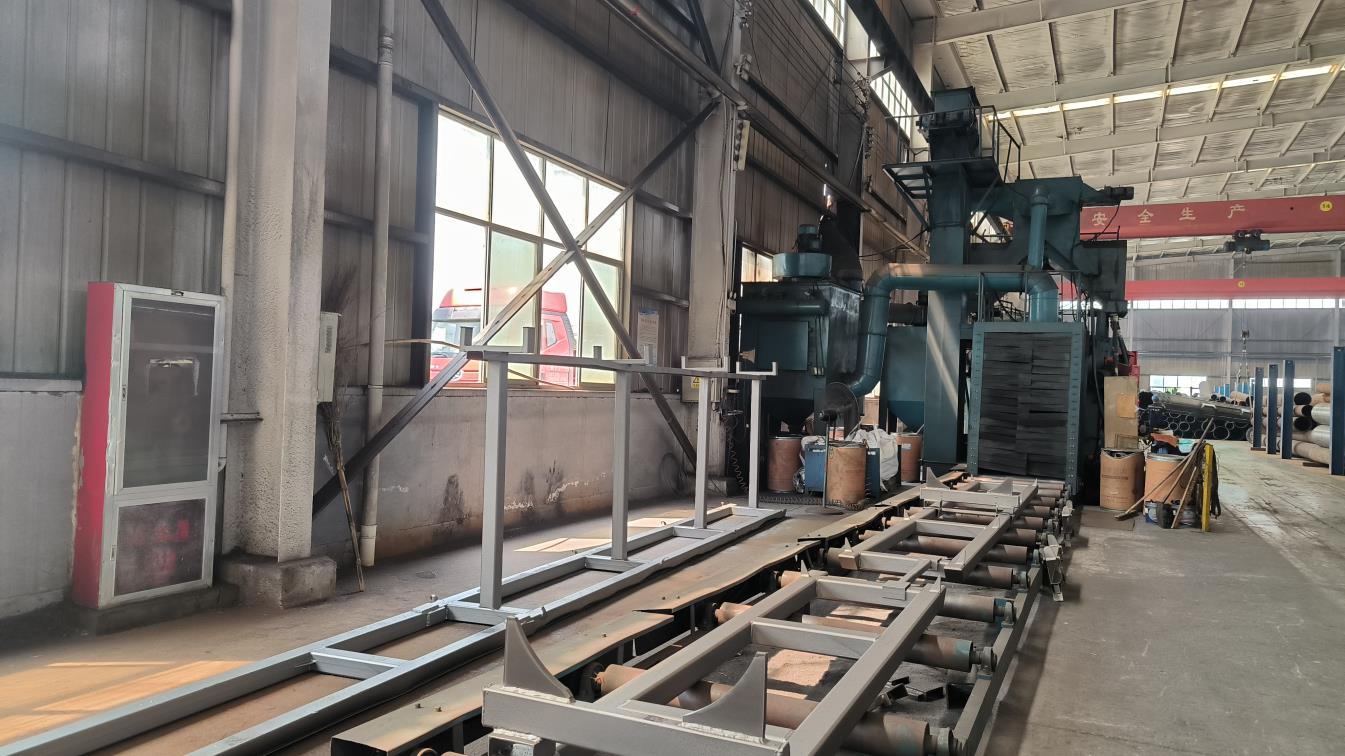
Every stage of the production cycle—from raw structural steel selection to strict Quality Control load testing—is executed internally to assure maximum safety limits.
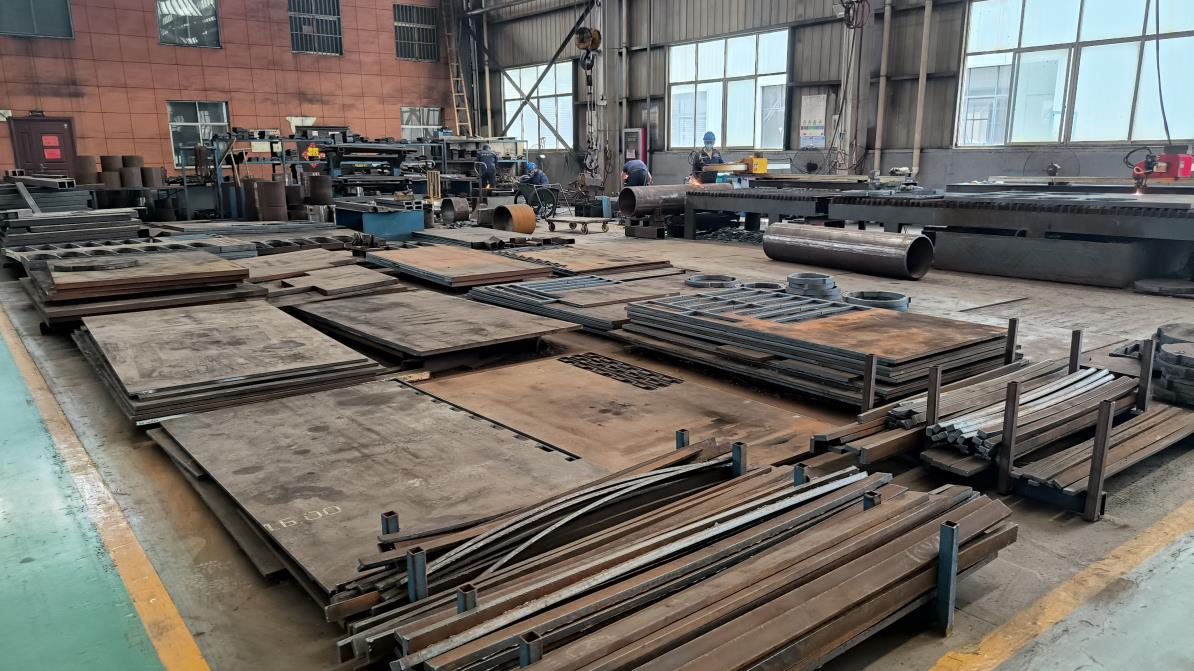
Raw Material Inspection
Raw Material
Shot Blasting Descaling
Shot Blasting
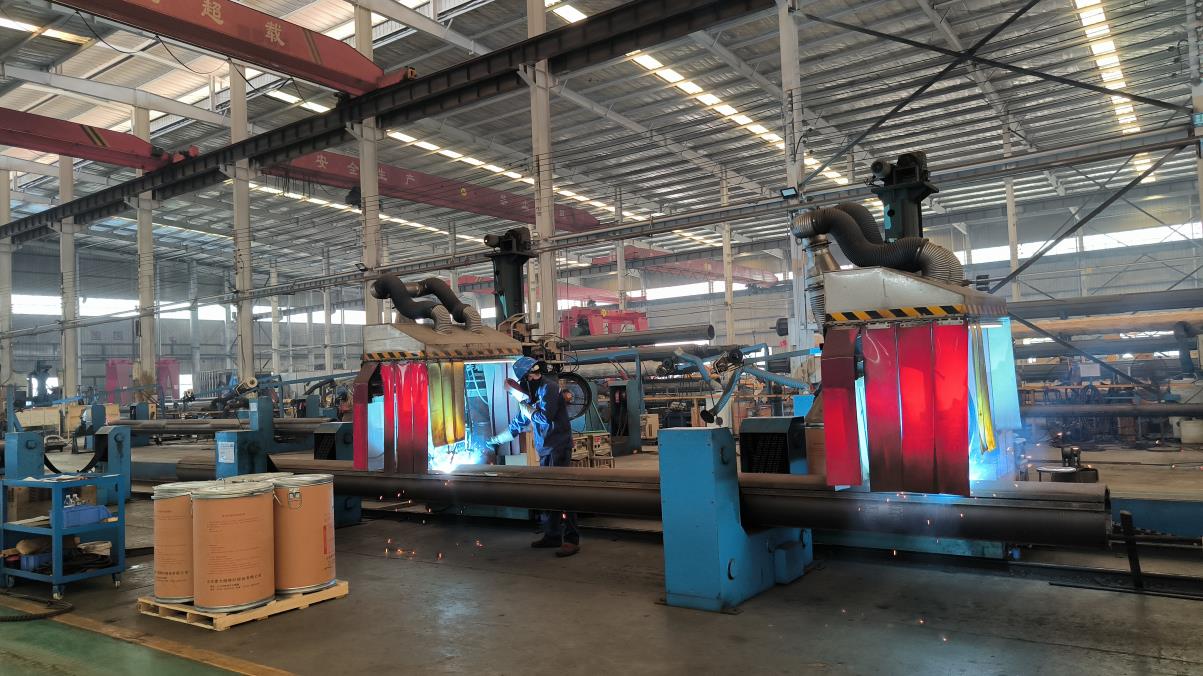
Structural Welding
Welding
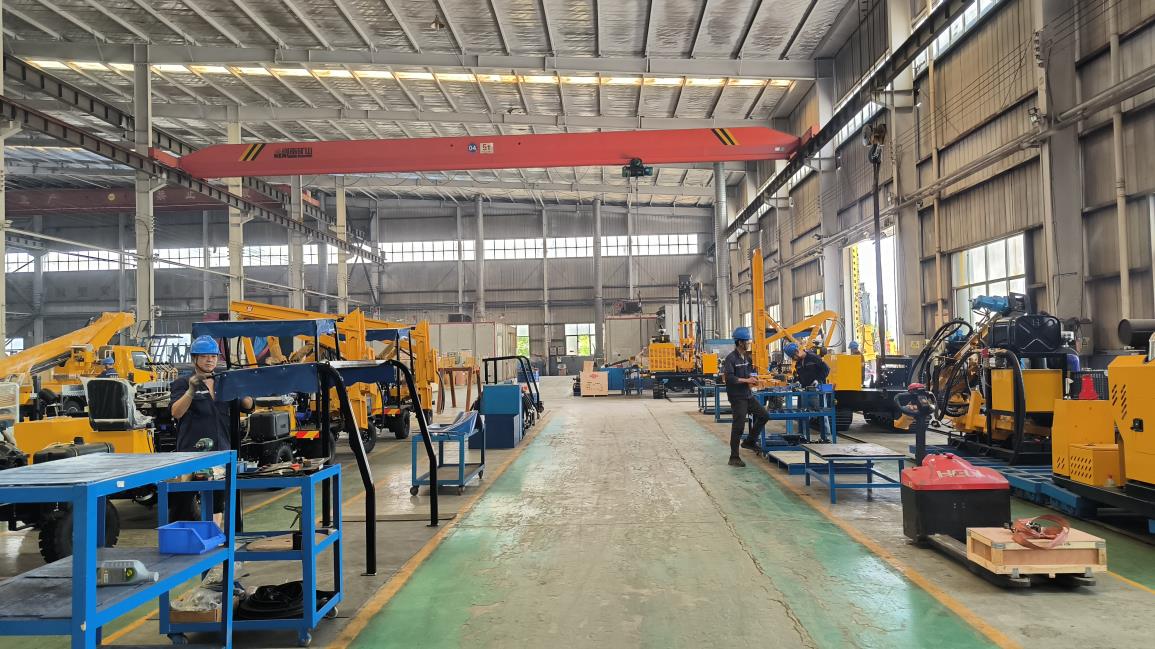
Assembly Workshop Stage 1
Assembly 1
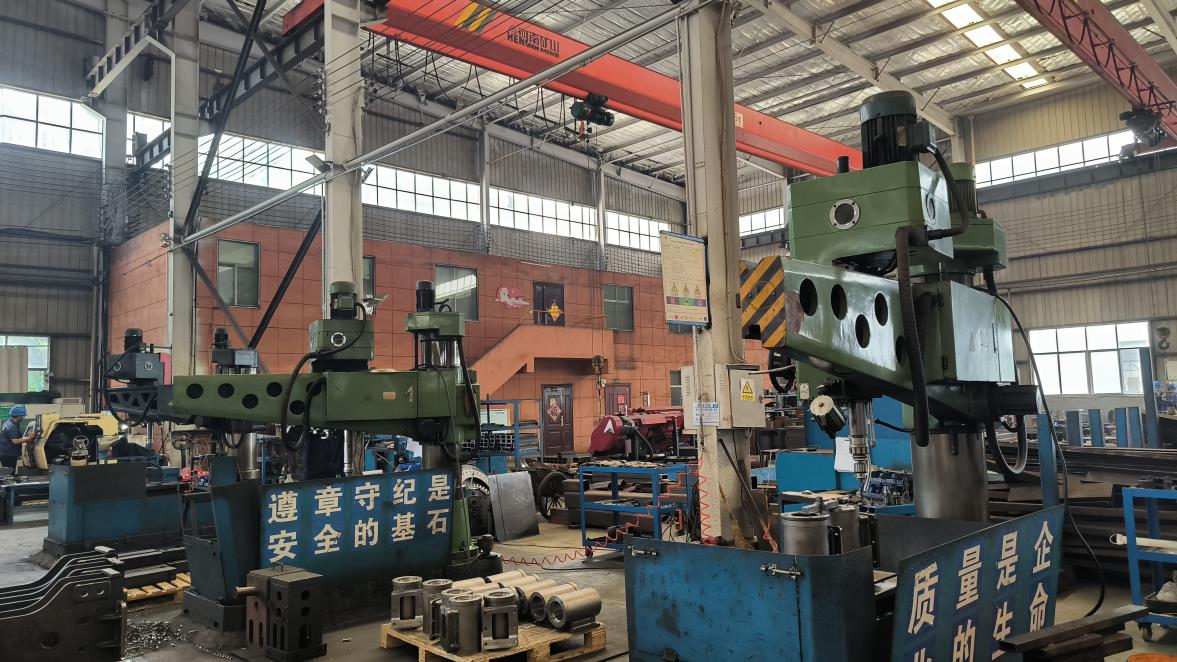
Precision Drilling Process
Drilling
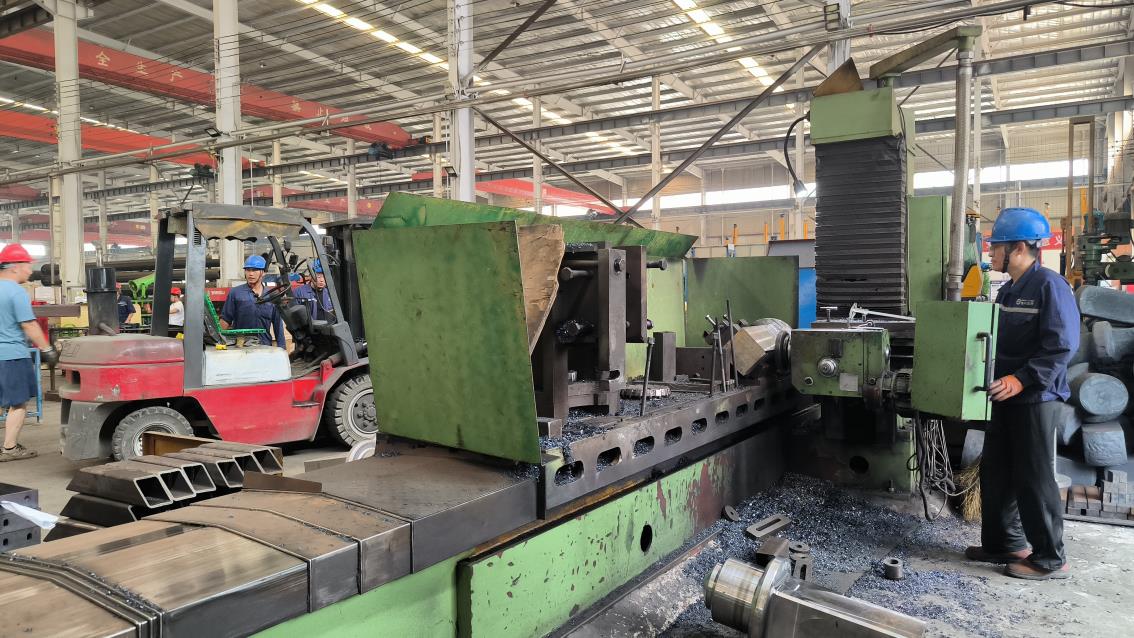
Heavy Milling Machine Setup
Milling
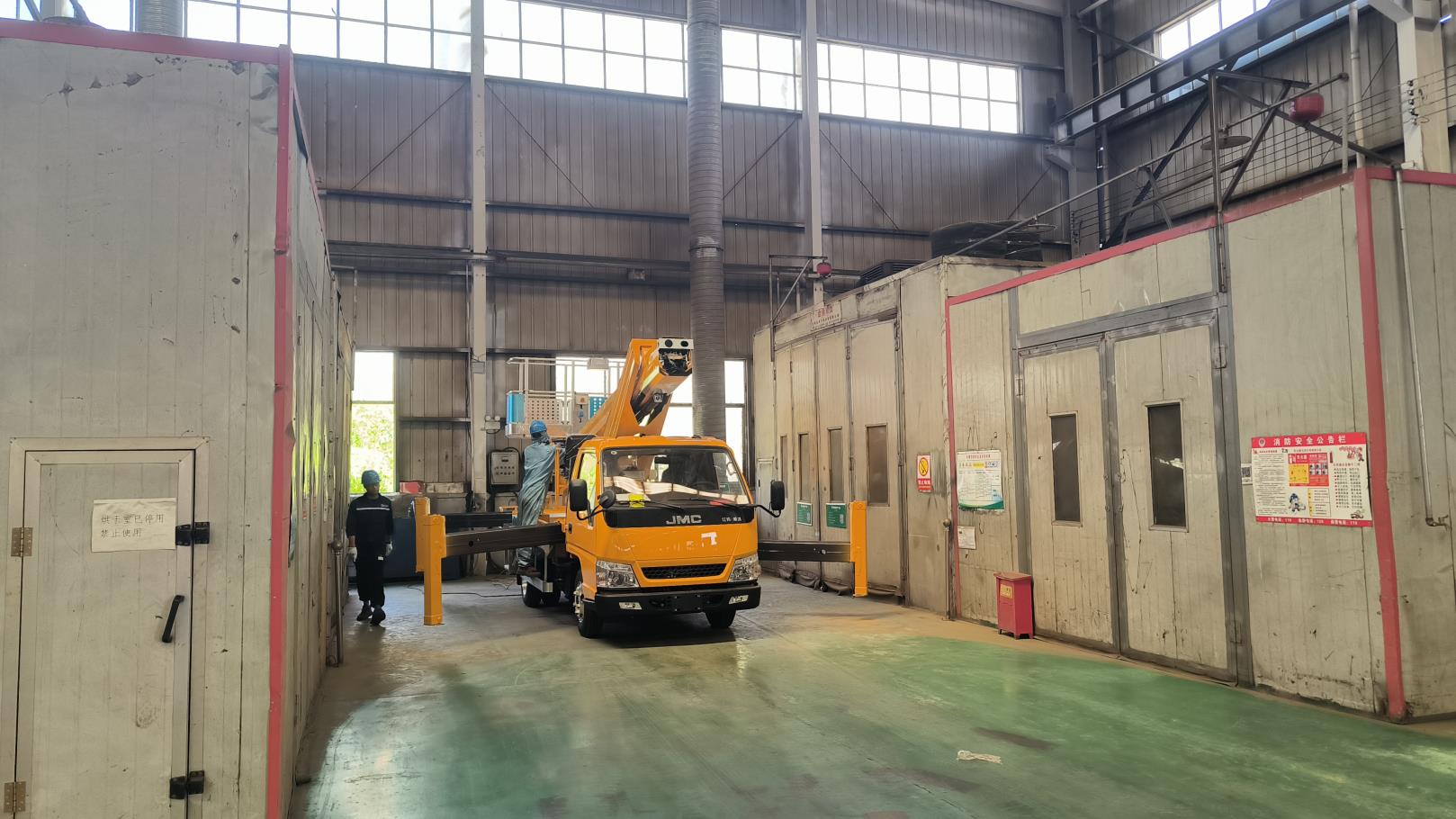
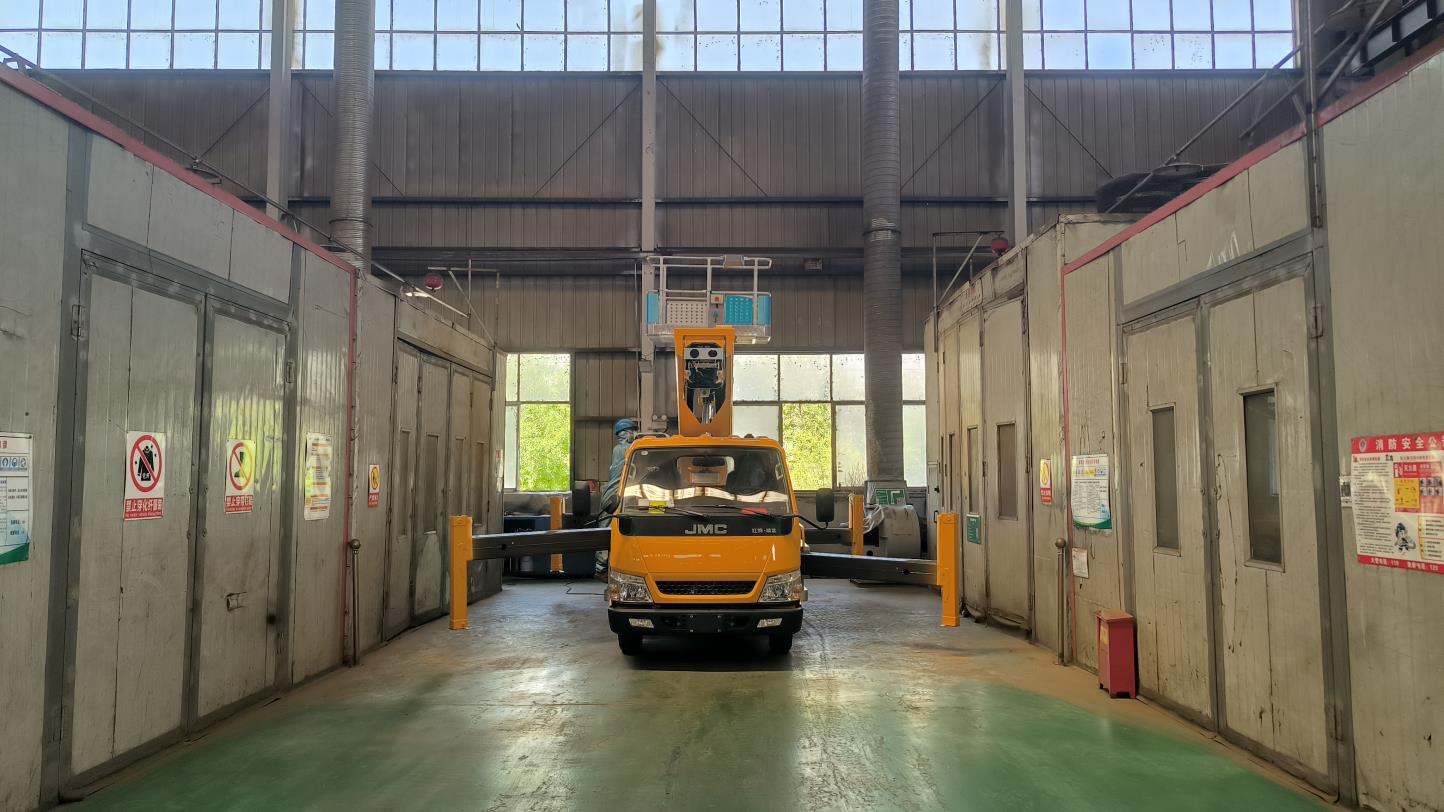
Electrostatic Powder Spraying
Spraying
Quality Control Inspection
QC Checking
Finished Product Delivery Ready
Finished Products
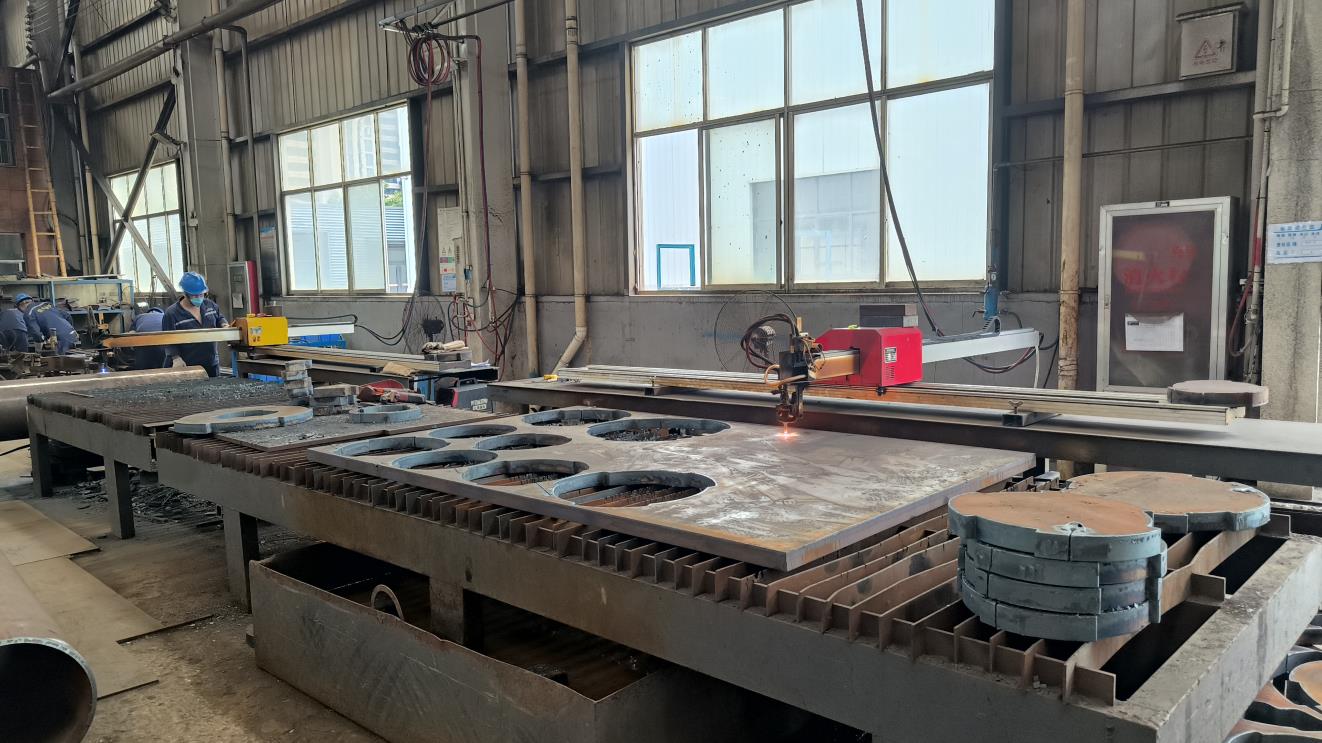
Numerical Control Laser Cutting
NC Cutting
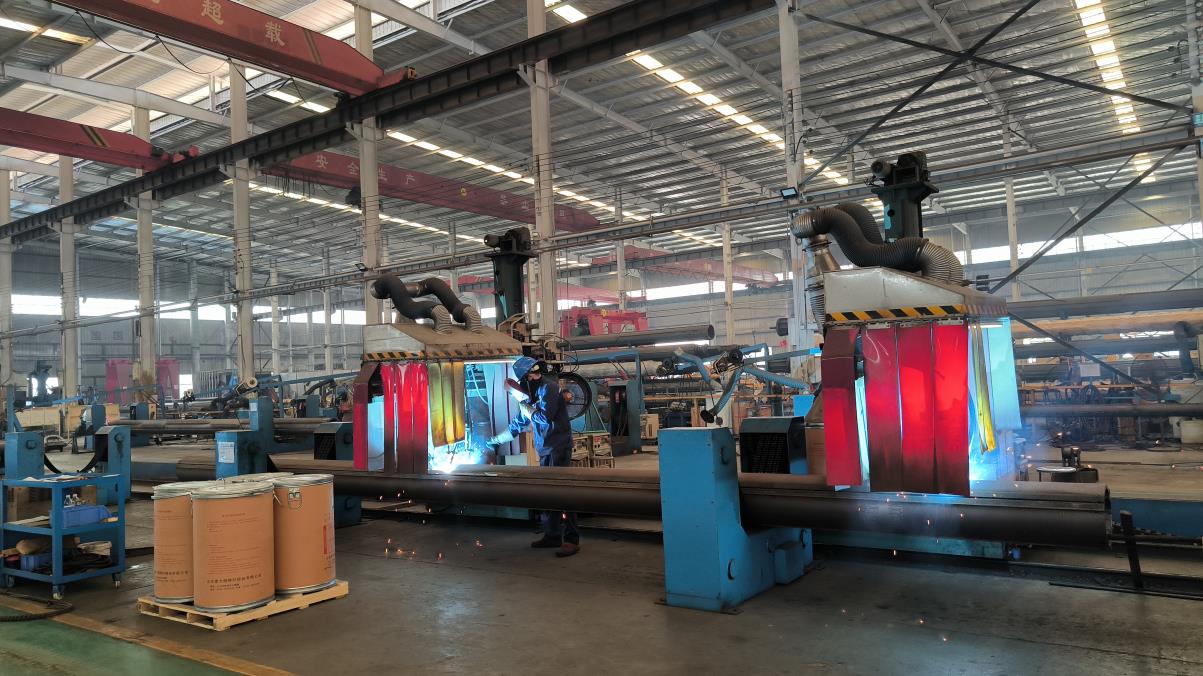
Full Automatic Robot Welding Machine
Automatic Welding
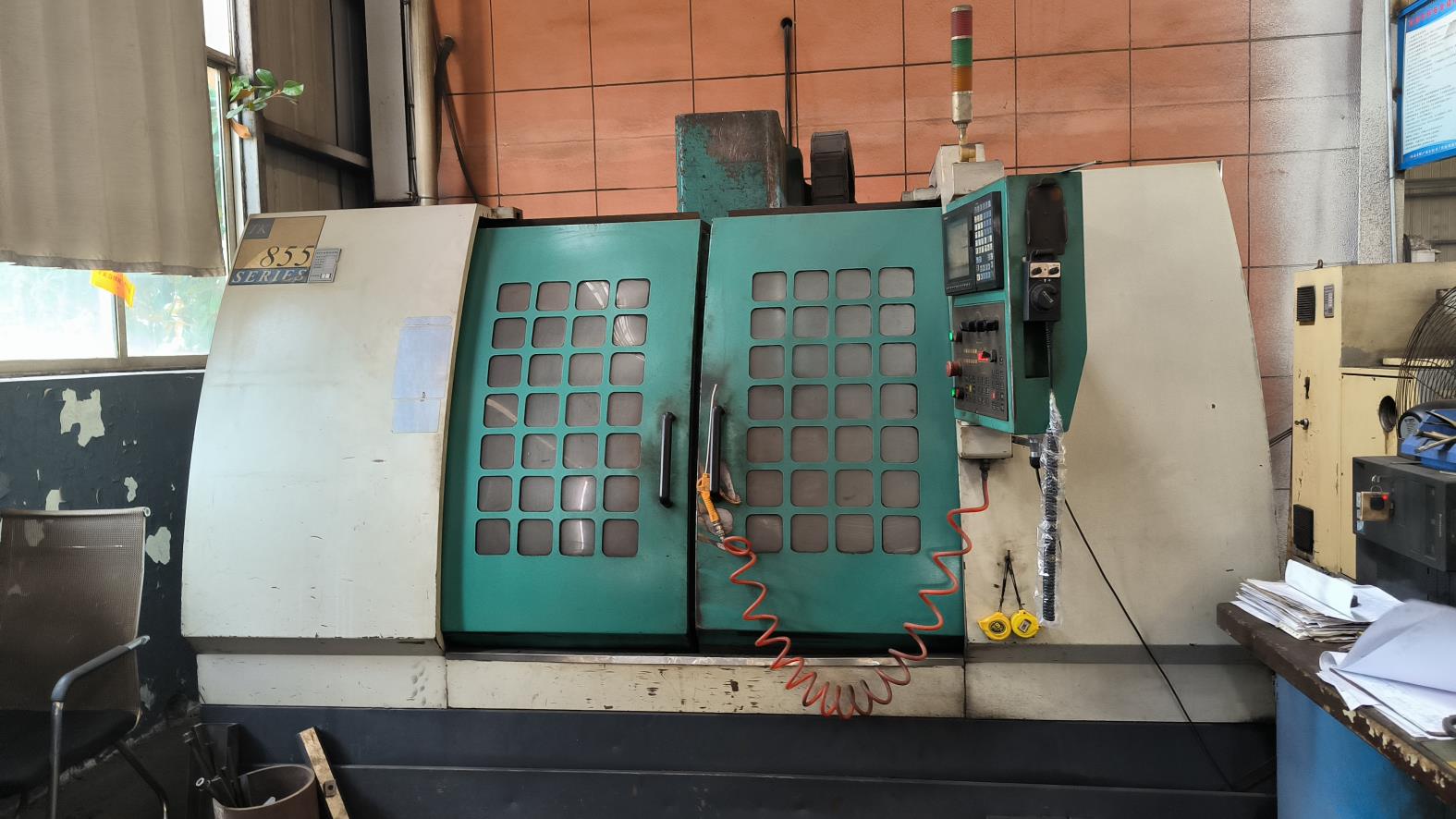
Computerized CNC Lathe Center
CNC Machine
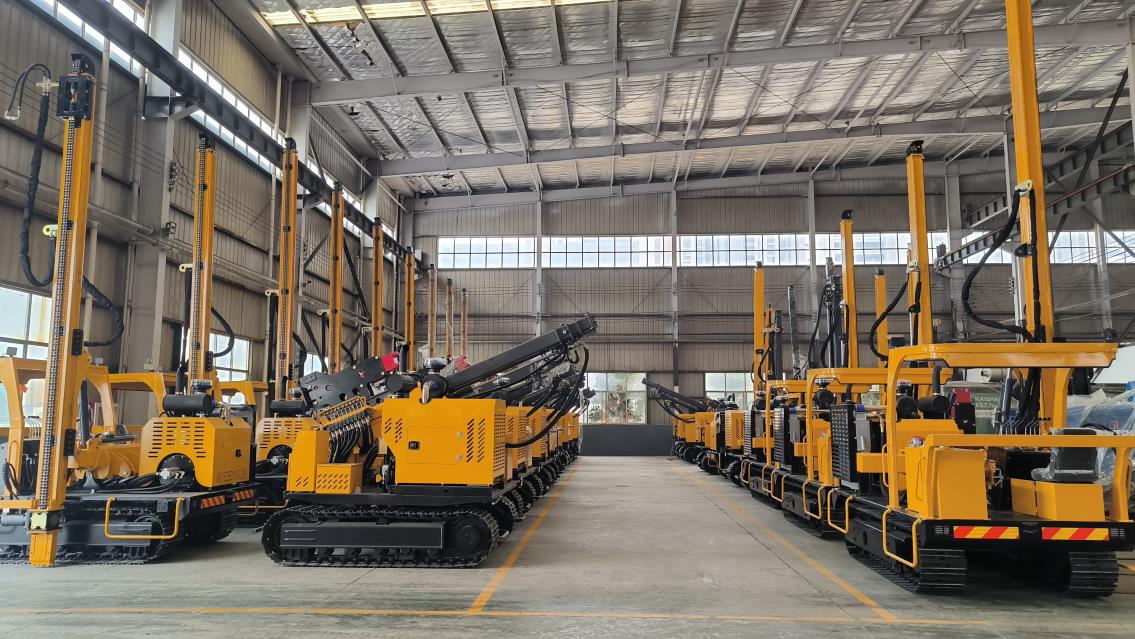
Kleen Lift Large Factory Floor Overview

Technological Roadmap & Engineering Perspectives

The future trajectory of pedestrian vertical positioning systems through 2030.

The transition from mechanical-hydraulic mechanisms to modern electric drive configurations has accelerated. Industry dynamics highlight key technological transitions that define modern procurement requirements:

Phase 1: Advanced Load Sensing & Proportional Valve Technology
Traditional lifting systems featured binary (on/off) valves, resulting in jerky movement. Current models utilize proportional electro-hydraulic control valves. Integrated pressure transmitters actively measure real-time loads, enabling smooth acceleration and deceleration curves. This feature is essential for protecting delicate payloads and reducing operator stress.
Phase 2: Transition to High-Performance Lithium Battery Systems
Deep-cycle lead-acid batteries are increasingly replaced by high-density Lithium Iron Phosphate (LiFePO4) battery packs. These systems support fast-charging, omit toxic off-gassing, eliminate regular fluid refilling maintenance, and deliver consistent peak power across cold-temperature cycles down to -20°C.
Phase 3: IoT Telematics, Diagnostic Modules & Safety Autonomy
The integration of CAN-bus electrical architectures facilitates deep diagnostics. Machine statuses, battery lifespans, load cycles, and hydraulic pressure metrics are continuously communicated to centralized logistics control hubs. Intelligent inclination sensors prevent operations if gradients exceed safety guidelines, preventing structural tilt and operator hazards.

Localization Support & Global Compliance Framework

Guaranteeing smooth customs clearing and conforming to rigorous regional safety rules.

Entering international territories demands adherence to specific domestic legislation. Industrial operations carry significant liability risks, which requires checking product markings and factory quality control steps before imports:

  • European Economic Area (EEA): Machinery Directive 2006/42/EC, EN 1570-1 (for scissor lift tables), and EN 280 (for mobile elevating work platforms). Pedestrian lifts must feature emergency stop circuits, hose burst safety valves, and automatic physical safety bars.
  • North American Market: Compliance with ANSI/ASME MH29.1 (Safety Requirements for Industrial Scissors Lifts) and UL/CSA certification for all electrical panels and components.
  • Asian-Pacific Market & Domestic Standards: Conformity to CCC (China Compulsory Certification) and GB standards, guaranteeing strict structural load-bearing tolerances.

Shandong Kleen Lift Co., Ltd. addresses these requirements by integrating certified components, standardizing processes under ISO 9001 quality guidelines, and providing full translation document kits, schematic diagrams, and structural validation documentation for smooth importing.

Industrial Sourcing & Engineering FAQ

Expert technical answers addressing common procurement questions and equipment specifications.

Q1: What are the primary differences between low-profile and standard scissor lift tables?
Low-profile lift tables, like the HU1000 series, are engineered with a reduced collapsed height (often only 80mm to 100mm). This configuration eliminates the need to excavate concrete installation pits, allowing operators to load pallets using a simple ramp and hand pallet jack. Standard lift tables feature larger closed heights and typically require pit installations to align flush with the warehouse floor.
Q2: How does dual AC/DC power configuration work on towable cherry pickers?
Dual AC/DC power platforms incorporate two isolated drive inputs. When connected to a standard mains supply (110V/220V AC), the machine bypasses battery systems to conserve charge. For remote sites lacking electrical hookups, the machine draws power from deep-cycle DC batteries. This versatility is ideal for outdoor municipal works transitioning to indoor facility maintenance.
Q3: Which safety valves are essential for CE certification under EN 280 and EN 1570?
Three key safety valves are mandatory: (1) Hose Burst Protection Valve: A velocity safety valve situated directly on the hydraulic cylinder to lock the platform immediately in case of hose failure. (2) Overload Relief Valve: Restricts operational movement if the load exceeds rated capacities. (3) Emergency Descent Manual Valve: Enables operators to lower the platform manually during complete power failures.
Q4: Why does shot blasting surface preparation outperform simple chemical priming?
Shot blasting uses high-velocity steel grit to strip mill scale, rust, and surface imperfections. This process creates a textured surface profile that ensures maximum adhesion for electrostatic powder coatings, preventing peeling, rust propagation, and corrosion in damp warehousing facilities.
Q5: What are the maintenance considerations when using electric rough terrain scissor lifts?
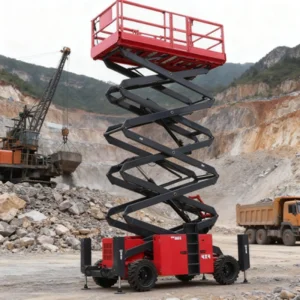
Key maintenance focus areas include inspecting four-wheel-drive hydraulic motors, checking multi-axis tilt sensors, testing pothole protection systems, and monitoring hydraulic oil clean levels. For systems equipped with outriggers, checking interlock switch operations is required to prevent lifting if outriggers are not properly set.
Q6: Can manual pallet jacks and semi-electric stackers be customized for cleanrooms?
Yes. For cleanroom environments, standard carbon steel structures are replaced with grade 304 or 316 stainless steel. Standard hydraulic packs are swapped with systems using non-toxic food-grade oil, and non-marking polyurethane wheels are fitted to prevent floor discoloration.
Q7: What is the typical life cycle expectancy of high-capacity hydraulic dock levelers?
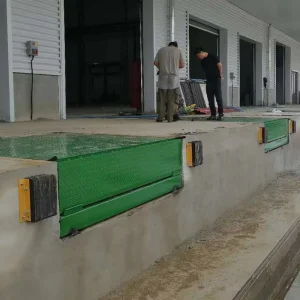
With regular cleaning, hinge greasing, and seal inspections, high-capacity dock levelers are engineered to withstand up to 100,000 duty cycles. The structural longevity depends on using heavy structural steel beams (like Q345B) and deploying dual-cylinder support systems to handle heavy forklift traffic.
Q8: How do automated welding systems improve structural durability on cherry picker arms?
Automated robotic welding delivers consistent weld penetration, control over heat distribution, and clean seams. By reducing human error and thermal warping, robotic welding minimizes stress concentration points along structural boom joints, increasing fatigue life and structural safety limits.