Modern industrial operations require unprecedented levels of spatial utilization, operator safety, and automated workflow integration. The global demand for automated lifts spans warehousing logsitics, precision aircraft maintenance, multistory factory production, and heavy equipment manipulation. As search algorithms transition toward deep semantics and user intent processing, B2B procurement decision-makers require more than superficial product listings. They demand rigorous engineering transparency, mechanical specification validation, and systematic supply-chain accountability.
OEM (Original Equipment Manufacturer) automated lifts serve as the structural backbone for intelligent factories. Unlike standard standard hydraulic lifts, customizable automated lifts are designed to interface seamlessly with Warehouse Control Systems (WCS), Automated Guided Vehicles (AGV), and complex ERP platforms. By leveraging advanced programmable logic controllers (PLCs), sensor networks, and electro-hydraulic proportional control valves, our lifting equipment transitions from a simple mechanical device to an intelligent node in the automated supply chain.
Integration of Siemens or Mitsubishi PLCs allows for precise positioning within millimeters. Multi-sensor safety arrays monitor dynamic load shifts and mechanical deviations in real-time, preventing potential structural stress or catastrophic failures during continuous multi-shift operations.
Utilizing high-torque, variable-frequency electric drives reduces power consumption by up to 30% compared to traditional constant-speed hydraulic power units. Fully electric systems satisfy the strict cleanroom standards required by pharmaceutical and micro-electronics manufacturing facilities.
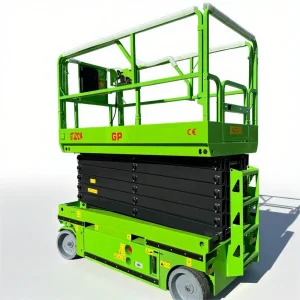
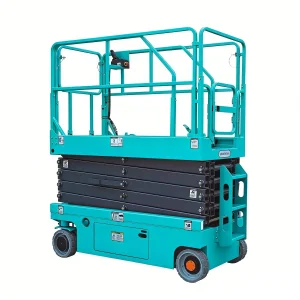
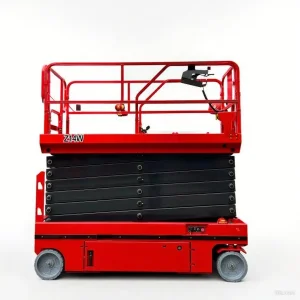
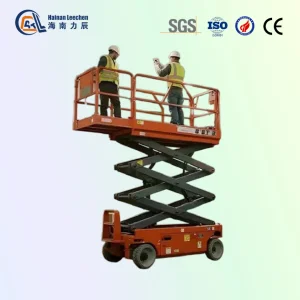
Every custom OEM scissor structure undergoes finite element analysis (FEA) to simulate wind loads, dynamic acceleration forces, and uneven ground pressures. Using premium Q345B steel guarantees structural resilience and minimizes deflection even at maximum working heights.
B2B buyers, EPC contractors, and procurement executives evaluate lift systems based on Total Cost of Ownership (TCO), regulatory alignment, and supply chain reliability. Strategic sourcing involves mapping structural and operational requirements to the specific environment where the equipment will operate. The decision to select an OEM partner depends heavily on their capability to design custom solutions tailored to challenging environments.
For example, ports and outdoor oil drilling operations require high-corrosion-resistant materials, hot-dip galvanized components, and marine-grade epoxy coatings. Conversely, dense urban logistics hubs require low-noise electric drivetrains and ultra-compact chassis profiles capable of navigating narrow racking aisles. In the table below, we examine how target application parameters correlate directly with OEM customization specifications.
Shandong Province, particularly Jinan City, represents the global epicenter of hydraulic lift manufacturing and automated platform engineering. The unparalleled geographic clustering of raw material suppliers, specialized hydraulic cylinder foundry yards, precision valve manufacturers, and electrical control system suppliers creates a highly responsive, cost-effective industrial ecosystem. Our production facility harnesses this ecosystem to deliver institutional-grade equipment at highly competitive prices.
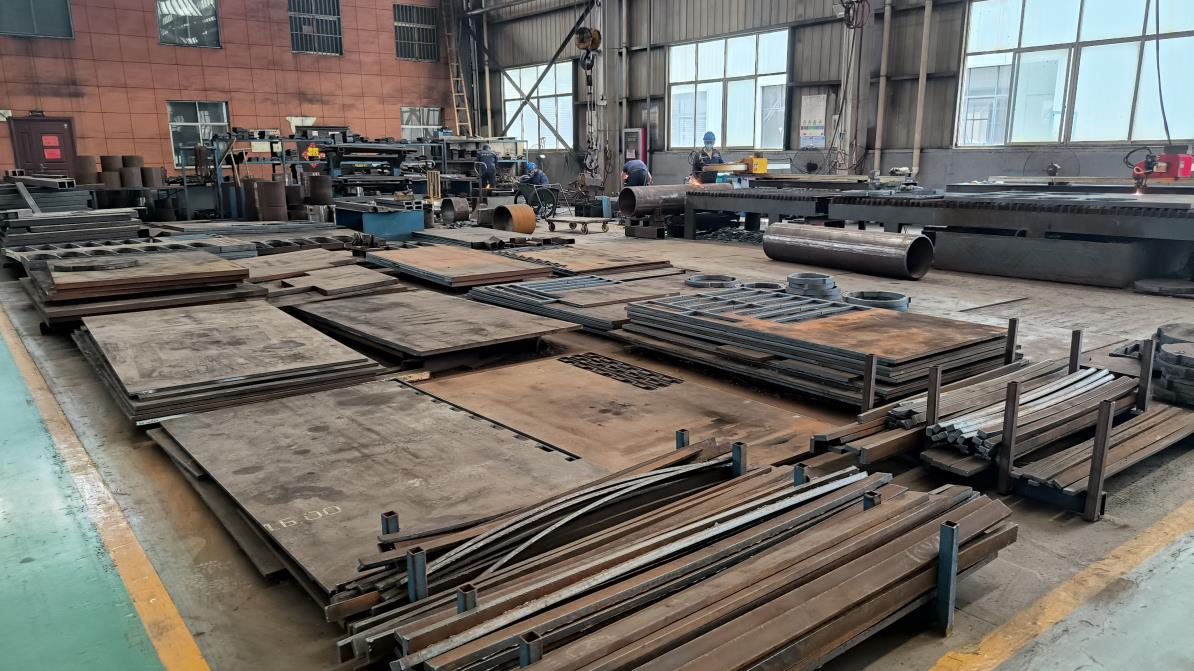
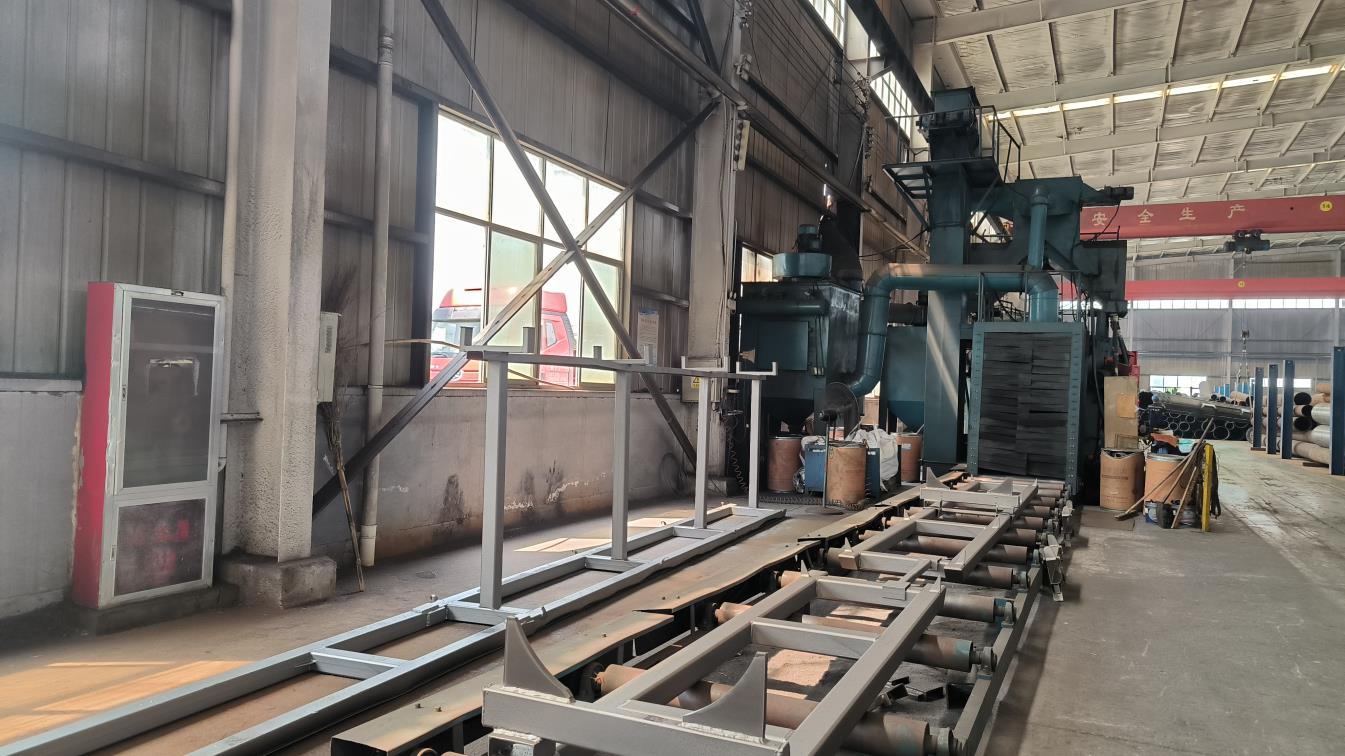
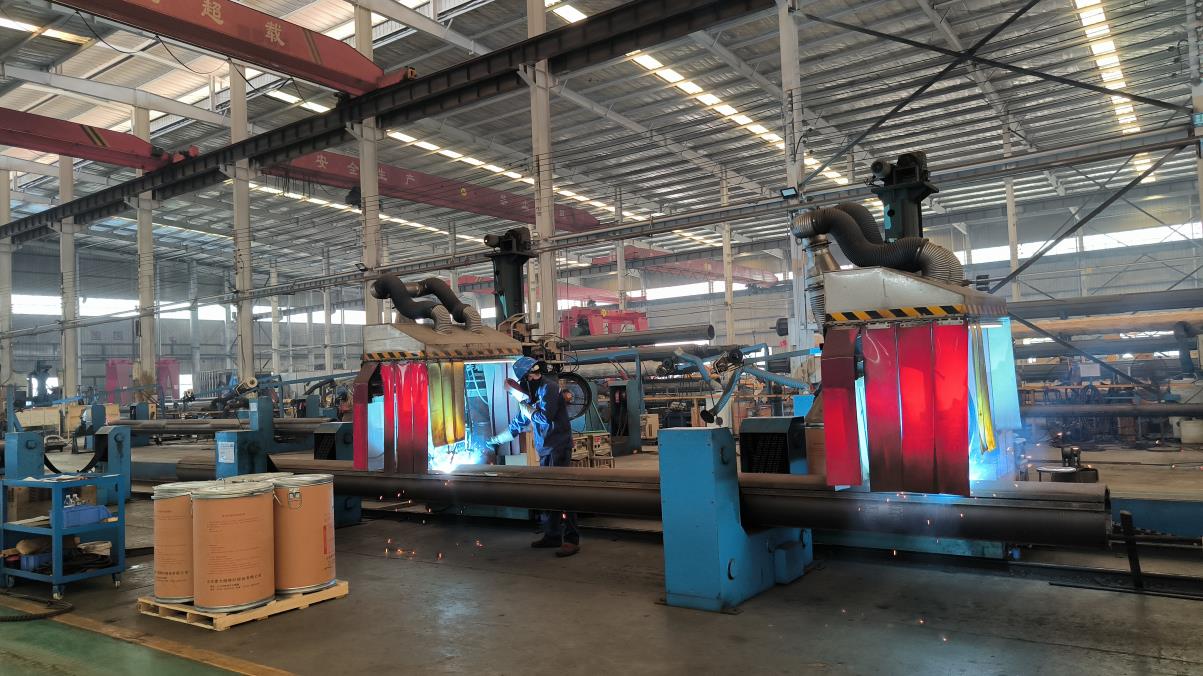
By housing all processes internally—ranging from structural laser cutting to robotic structural welding, shot-blasting rust mitigation, and automated electrostatic powder coating—we eliminate supply chain disruptions and maintain stringent quality controls. We procure raw structural steel directly from state-owned mills, ensuring verifiable chemistry reports and consistent tensile strengths. This localized cluster efficiency allows us to reduce custom design-to-delivery lead times by up to 40% compared to Western manufacturers.
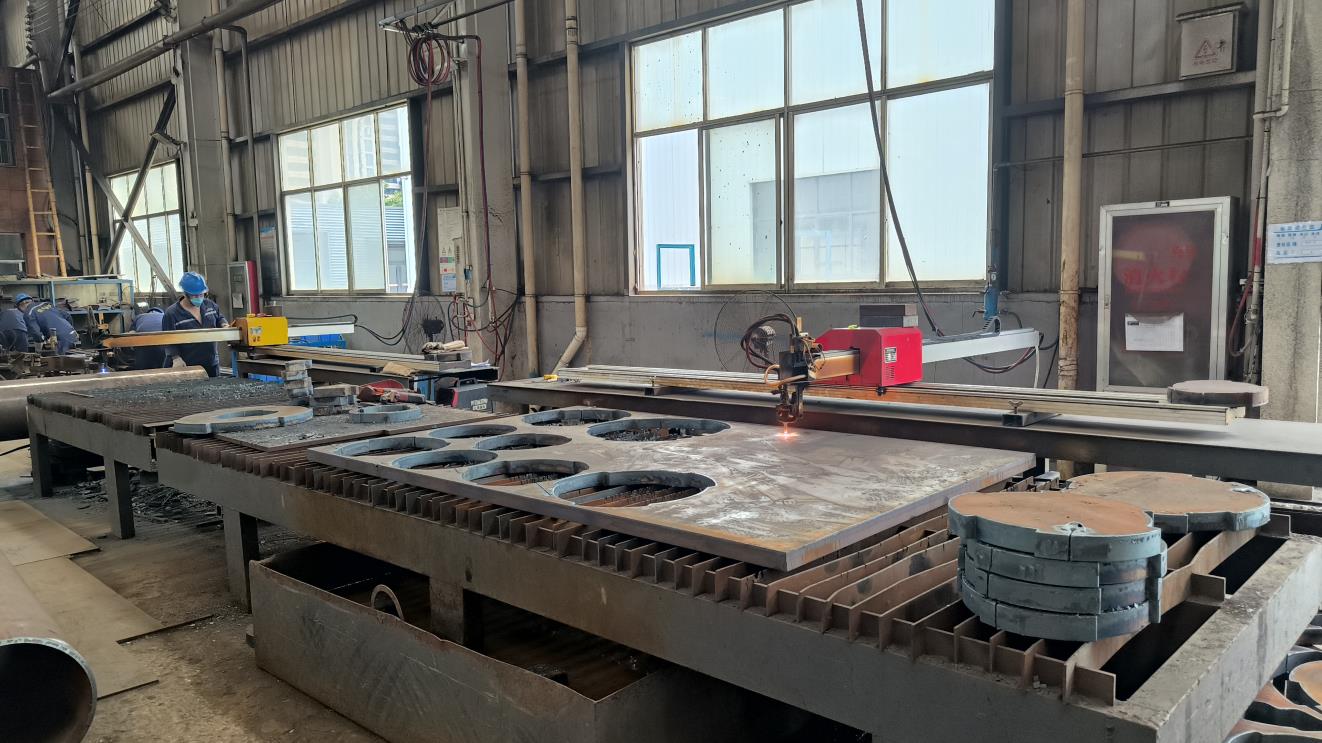
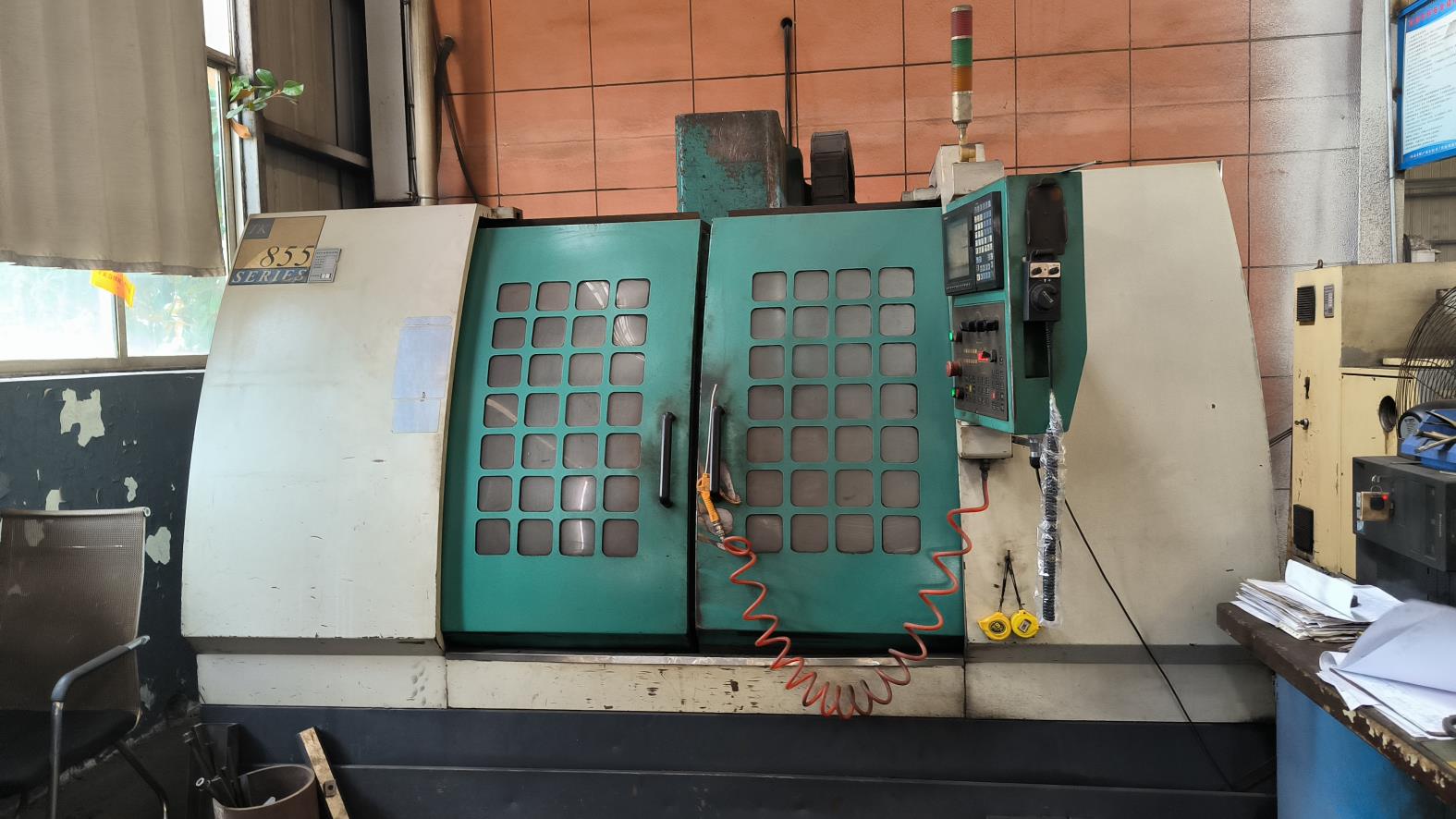
Using ultra-high-power CNC laser cutting centers ensures that all steel plate components are cut with a tolerance of less than 0.1mm. Accurate cuts lead to superior assembly alignment, reduced friction, and vastly extended machinery lifespans.
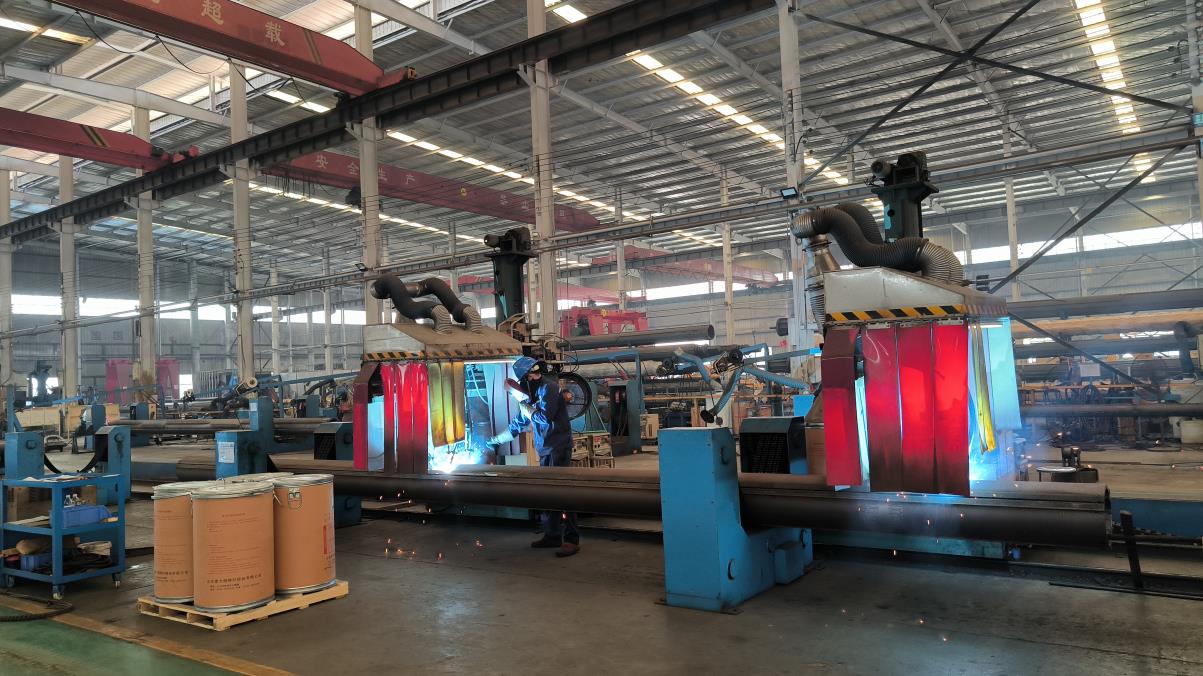
Our heavy-duty frames and scissor components are joined using automated robotic welding cells. Robot welding ensures deep penetration, consistent bead patterns, and zero heat-affected-zone (HAZ) cracking, guaranteeing safety under maximum loads.
Before shipment, every unit is subjected to rigorous testing, including a 125% dynamic overload test and a 150% static structural test. We verify hydraulic circuit pressures, battery discharge rates, and electronic sensor responses over a continuous 48-hour burn-in phase.
Operating elevating work platforms (MEWPs) or heavy cargo lifts entails complying with stringent regional safety frameworks. As an established global exporter, we align our engineering designs with local compliance standards to ensure problem-free customs clearances and secure occupational certifications on-site. Every export order is delivered with comprehensive compliance folders, including schematic diagrams, structural calculations, and safety declarations.
We work in close cooperation with international inspection agencies such as SGS, TÜV Rheinland, and Intertek. Our systems are built to meet the following regulatory directives:
To support global field operations, we establish partnerships with localized service providers to guarantee quick parts availability, field technician training, and rapid SLA warranty support. We pre-integrate telemetry modules (IoT gateways) into our premium automated lifts. This allows our factory engineers in Shandong to remotely diagnose control system anomalies, update software, and guide local maintenance partners through structural troubleshooting, minimizing downtime for end-users.
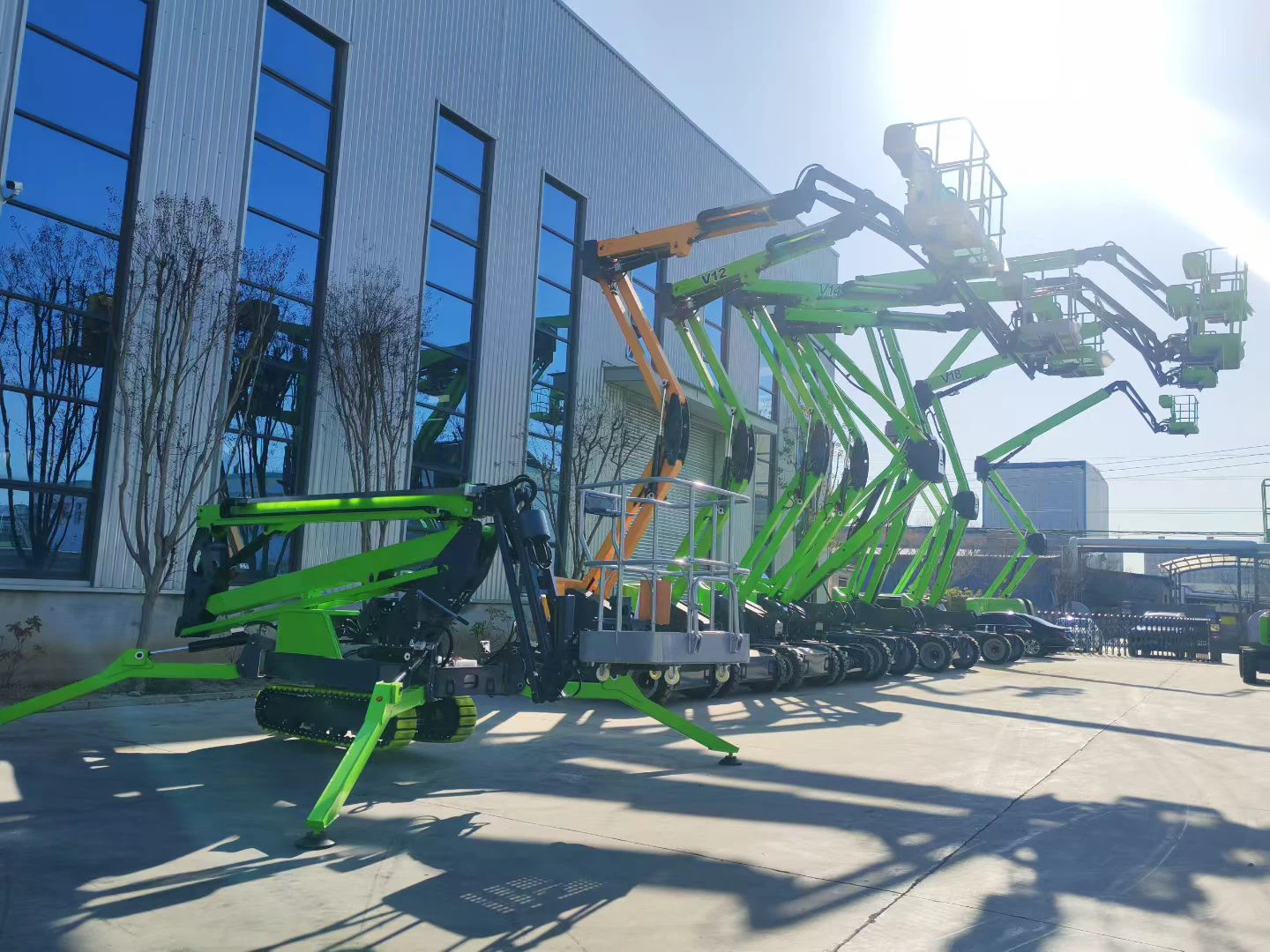
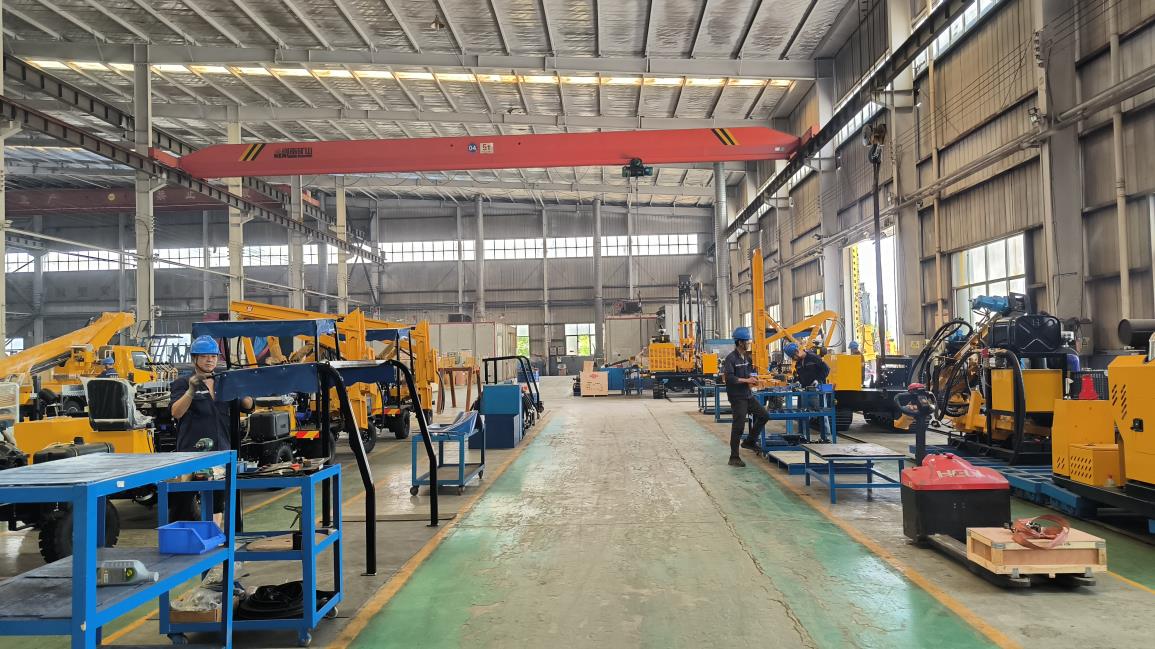
Shandong Kleen Lift Co., Ltd. is a premier manufacturer of heavy-duty lifting and material handling equipment, integrating research & development, production, sales, and global service. Established in 1999 and headquartered in Jinan City, Shandong Province, China, Kleen Lift has dedicated over 26 years to engineering excellence. Our facilities include modern manufacturing shops staffed by over 10 mechanical engineers, 3 electrical systems designers, and 50+ experienced production specialists.
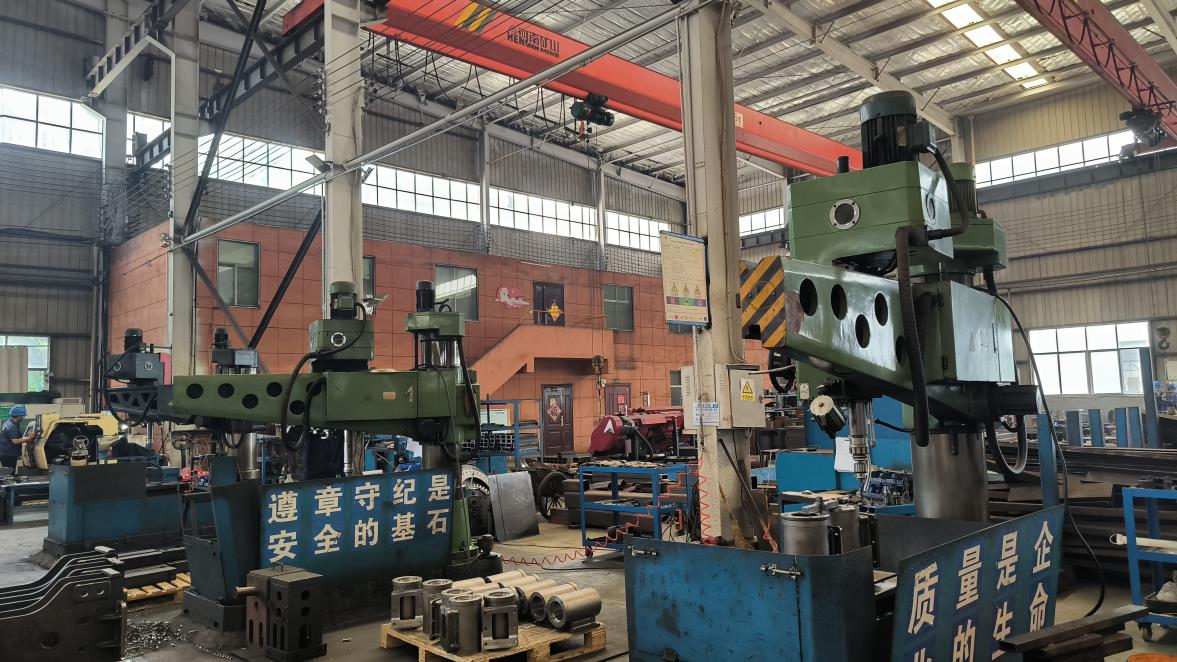
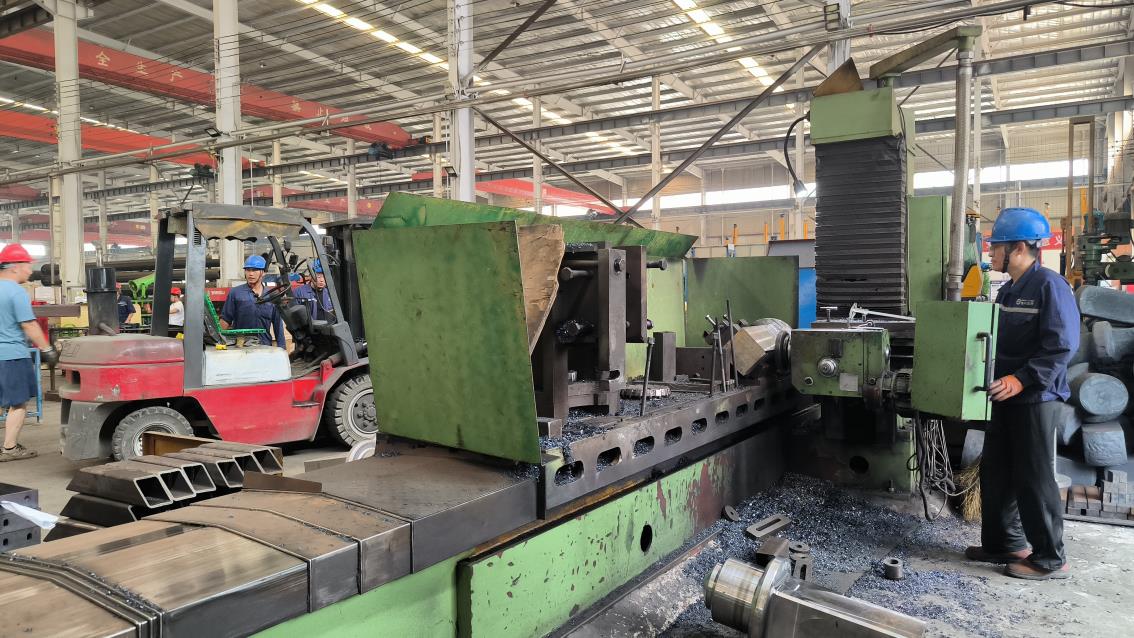
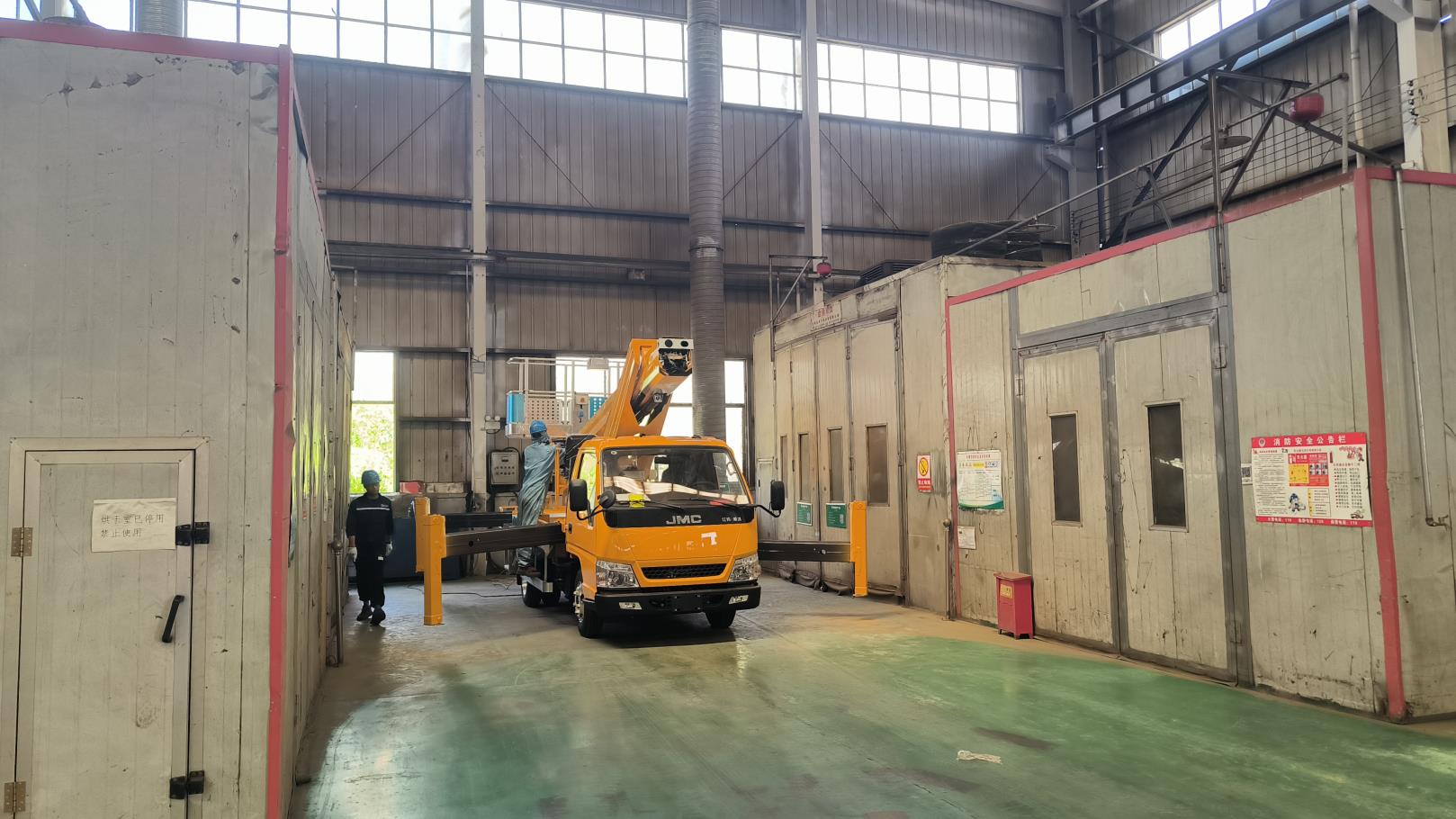
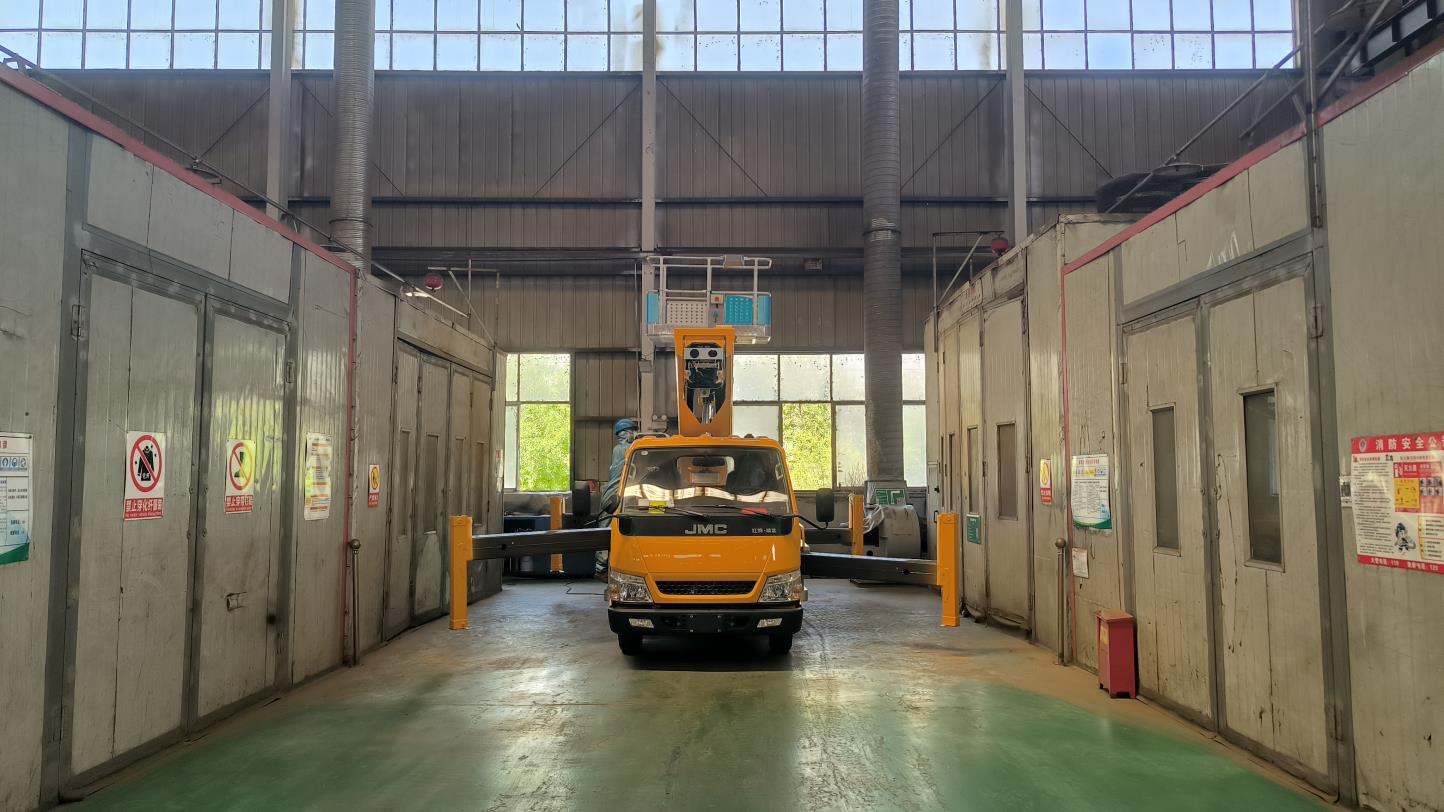
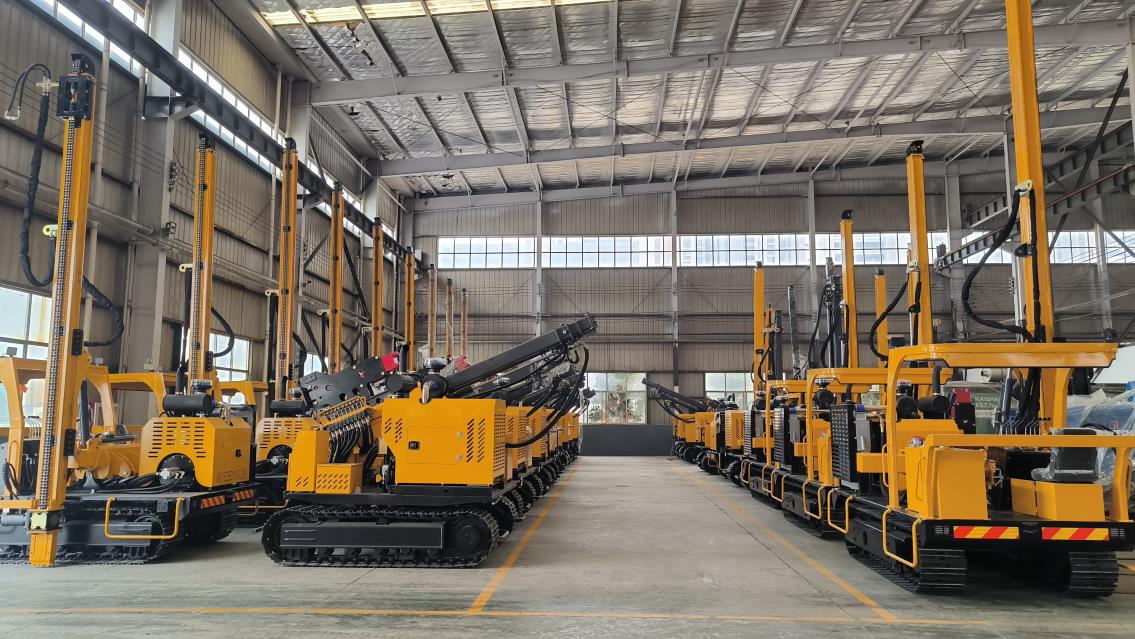
Guided by our core philosophy: “Quality First, Innovation Driven, Customer Focused”, every stage of production—from raw material selection to final inspection—is controlled under a strict ISO 9001 quality management framework. Below, we showcase our production workflow step-by-step, illustrating how raw steel is transformed into high-precision, certified lifting platforms.
The materials handling sector is undergoing a massive transformation driven by digitalization and decarbonization. In the next decade, static scissor tables and manual lifts will be replaced by cloud-connected, battery-electric smart systems. Procurement managers should focus on the following key engineering trends:
Lithium iron phosphate (LFP) chemistry is replacing traditional lead-acid configurations. LFP batteries support opportunity charging during shift breaks, feature active battery management systems (BMS), and offer a cycle life exceeding 3,500 charges.
Using vibration sensors on electric motors and telemetry systems on hydraulic manifolds allows software to predict seal wear or motor degradation before field failures occur. This shift from scheduled to predictive maintenance can reduce servicing costs by up to 25%.
Modern cargo lifts are increasingly designed to automatically dock with Mobile Robots. Safe hardware and software handshakes are managed via wireless industrial fieldbuses, allowing factories to achieve fully automated multi-floor logistics without human operators.
 Kleen Lift