 Kleen Lift
Mulifanua sits at the western tip of Upolu and is the anchor of Samoa’s maritime gateway. It is the terminal for the inter-island ferry link to Savai’i, the primary vehicle for freight and passenger movement between the two main islands, and a growing node for light manufacturing, fuel handling, cold-chain warehousing and public-infrastructure works. For a mast lift factory & exporter, this creates a specific and demanding buyer profile: narrow-lane accessibility, high-salt atmospheres, variable road surfaces, and low tolerance for downtime because replacement parts cross an ocean.
This dossier is written to Information Gain quality — not a brochure conversion, but a working reference that addresses how a Chinese mast lift factory aligns with Multifanua’s real procurement cycles, compliance requirements and future infrastructure roadmap.
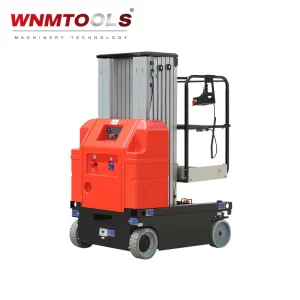
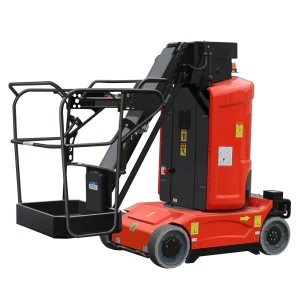
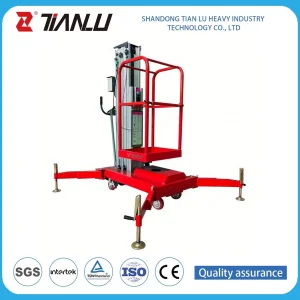
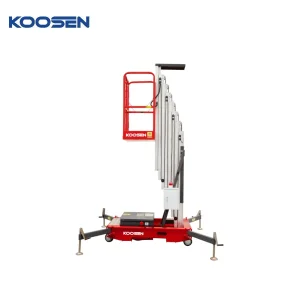
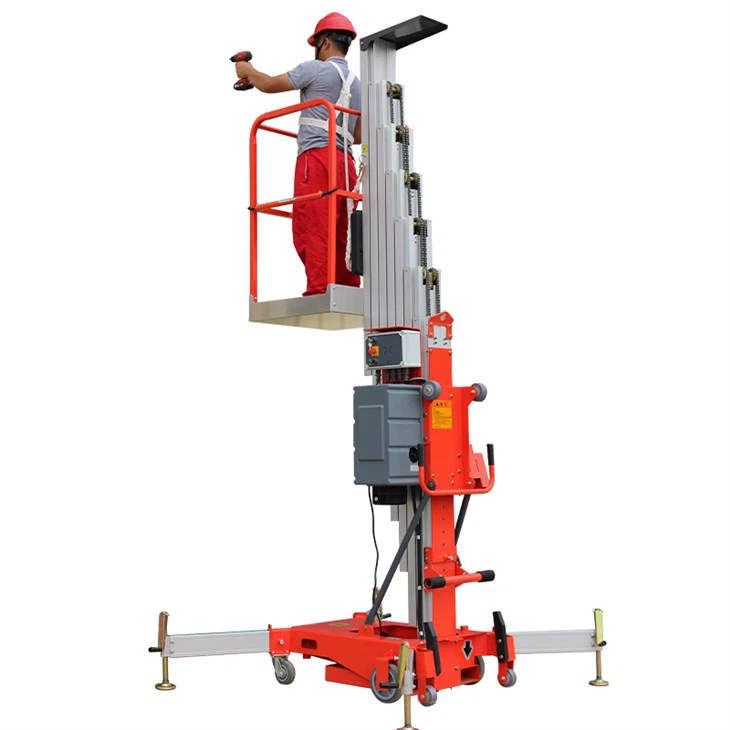
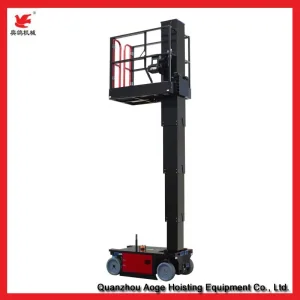
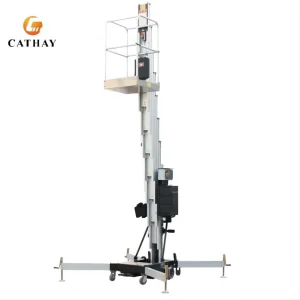
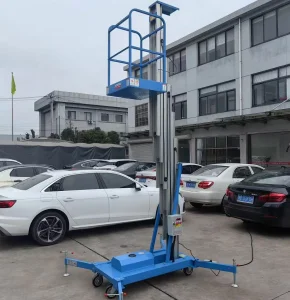
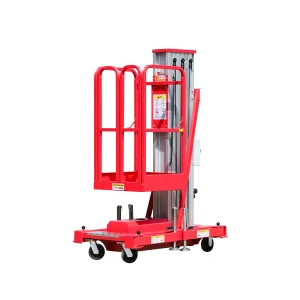
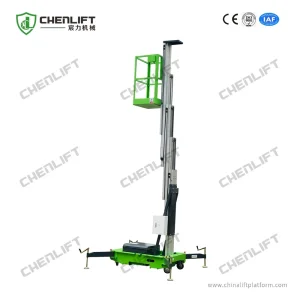
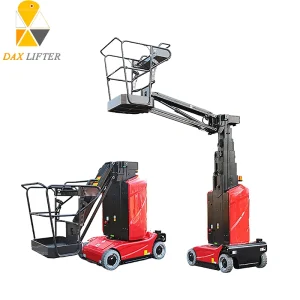
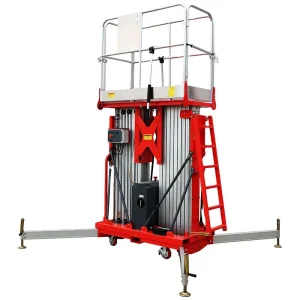
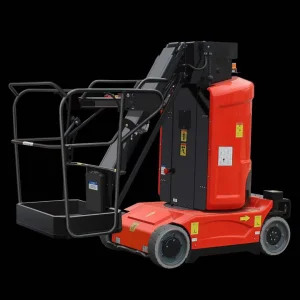
Four high-frequency configurations selected by Multifanua contractors for ferry-terminal works, warehouse maintenance and elevated installation tasks. Every listing links to the full technical spec sheet.
Understanding the buyer’s operating context is the single strongest E-E-A-T signal a mast lift exporter can produce.
Semantic intent shifts in 2024–2025 show enterprise buyers comparing single-mast vs. double-mast platforms on total cost of ownership, not sticker price.
A macro-level view of how a factory-direct exporter configures a fleet for remote island economies.
For a Mulifanua buyer, a three-tier fleet makes operational sense: a compact self-propelled unit for indoor and doorway-constrained sites, one double-mast medium-reach platform for terminal and warehouse works, and one single-mast aluminium lift for high-frequency, low-load maintenance. This composition minimises the number of distinct spare-part SKUs the buyer must stock, which is critical when lead times extend beyond 4–6 weeks.
Purchase price accounts for roughly half the lifetime cost. Battery replacement, hydraulic seal kits, mast chain inspection and surface-treatment renewal are the recurring drivers. Aluminium alloy masts materially reduce mast-maintenance cost in salt-air environments, while electric drive lowers energy and noise-compliance overheads.
Lithium-iron-phosphate packs and basic fleet telematics become default options on self-propelled mast lifts, enabling remote state-of-charge and fault-code reads.
Interchangeable mast sections shorten spare-part lead times; a Mulifanua buyer can hold one spare section rather than multiple height variants.
Greater alignment between EN 280 and regional Pacific standards lowers compliance friction for imported electric aerial platforms.
Public-works tenders increasingly specify electric or hybrid lifts and lifecycle carbon reporting; aluminium construction and recyclable batteries become procurement requirements.
Direct-from-factory expertise, backed by 26 years of continuous manufacturing, in-house R&D and export logistics.
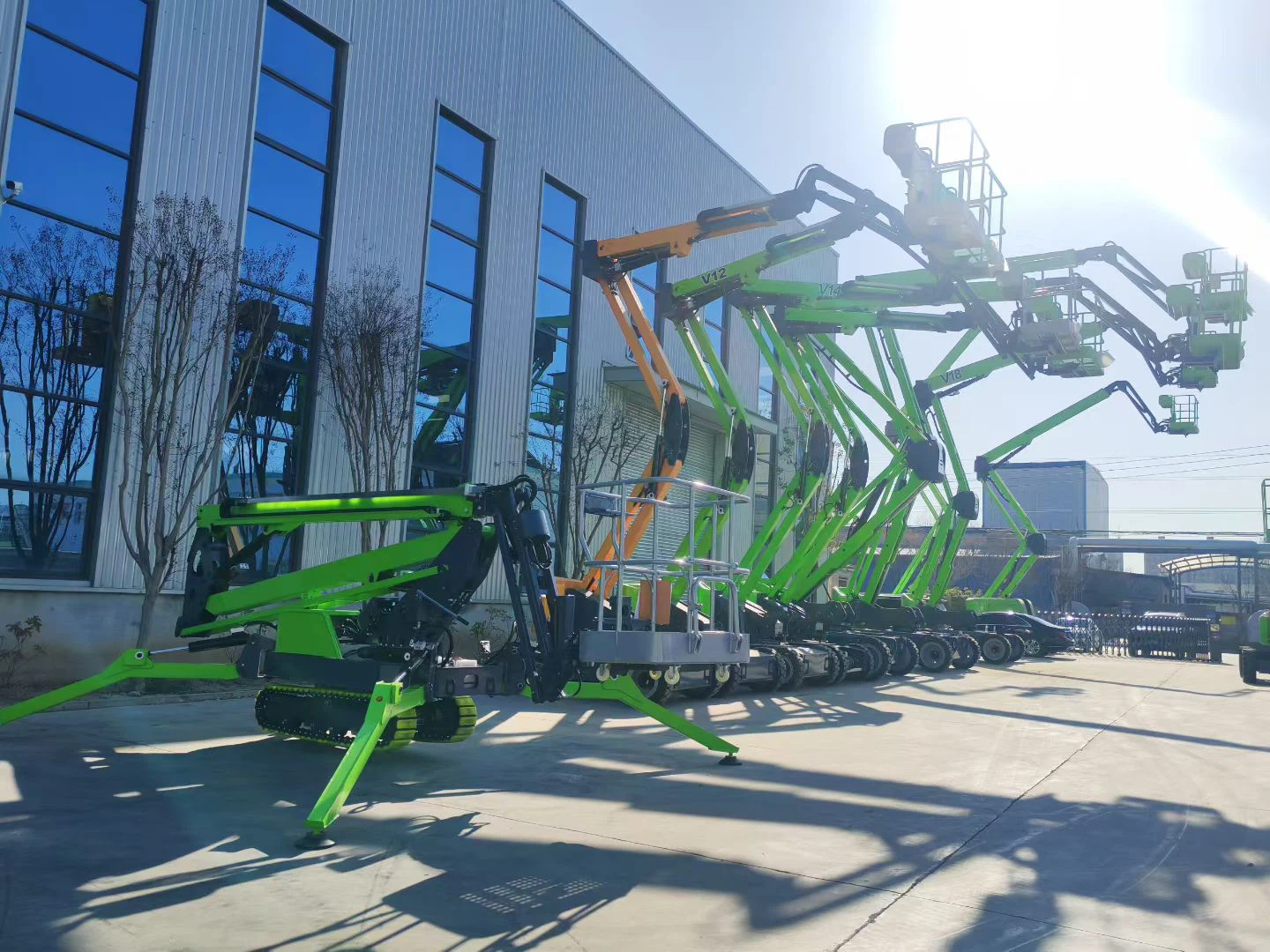
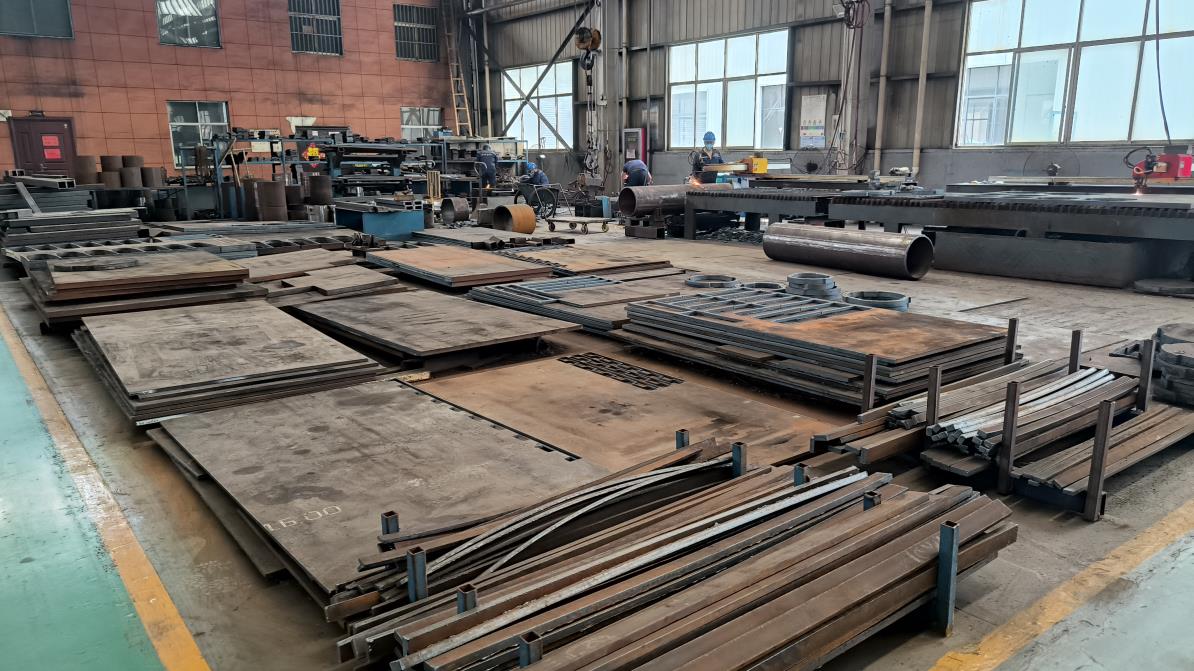
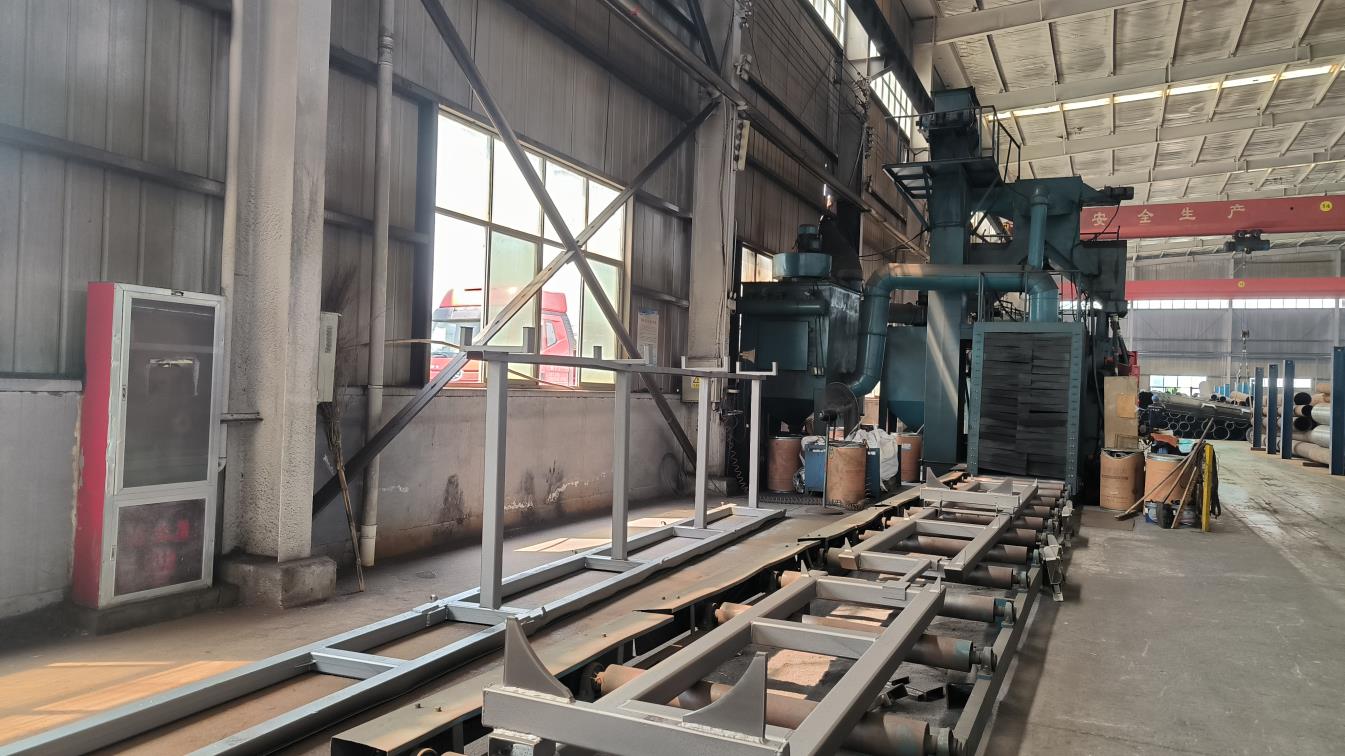
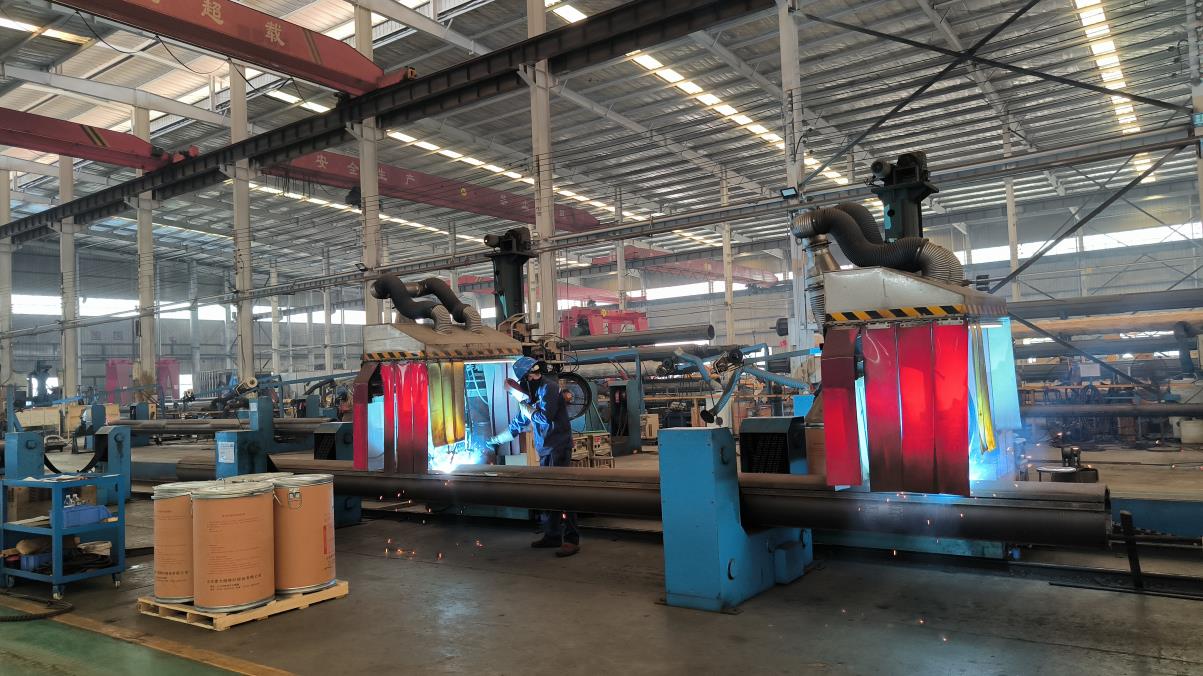
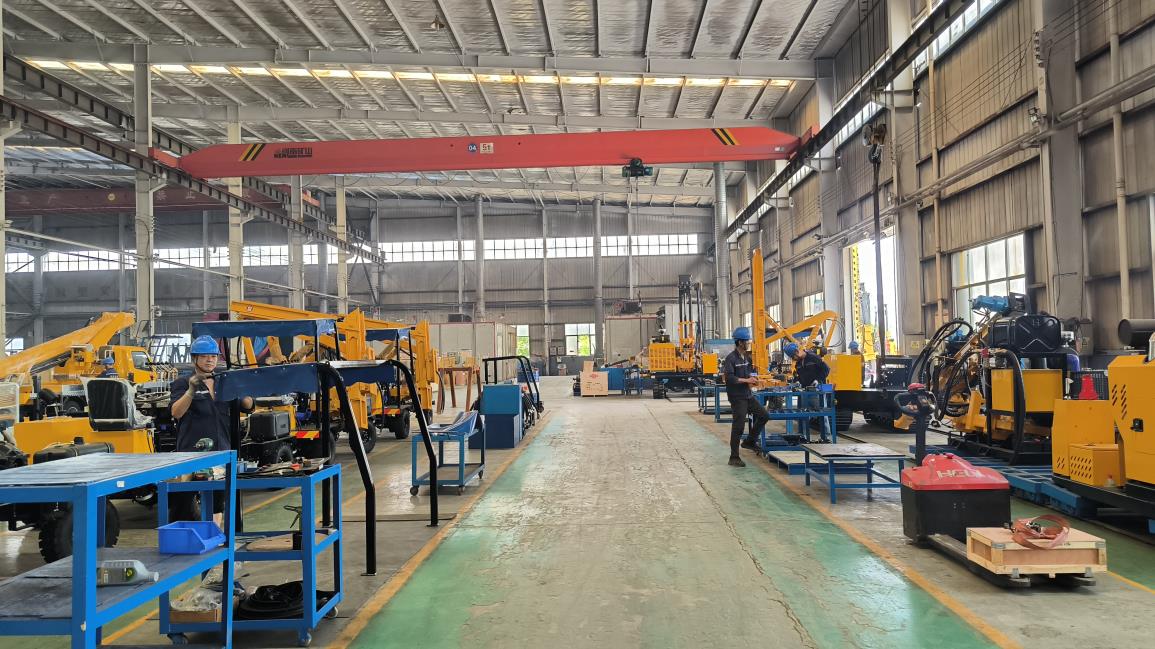
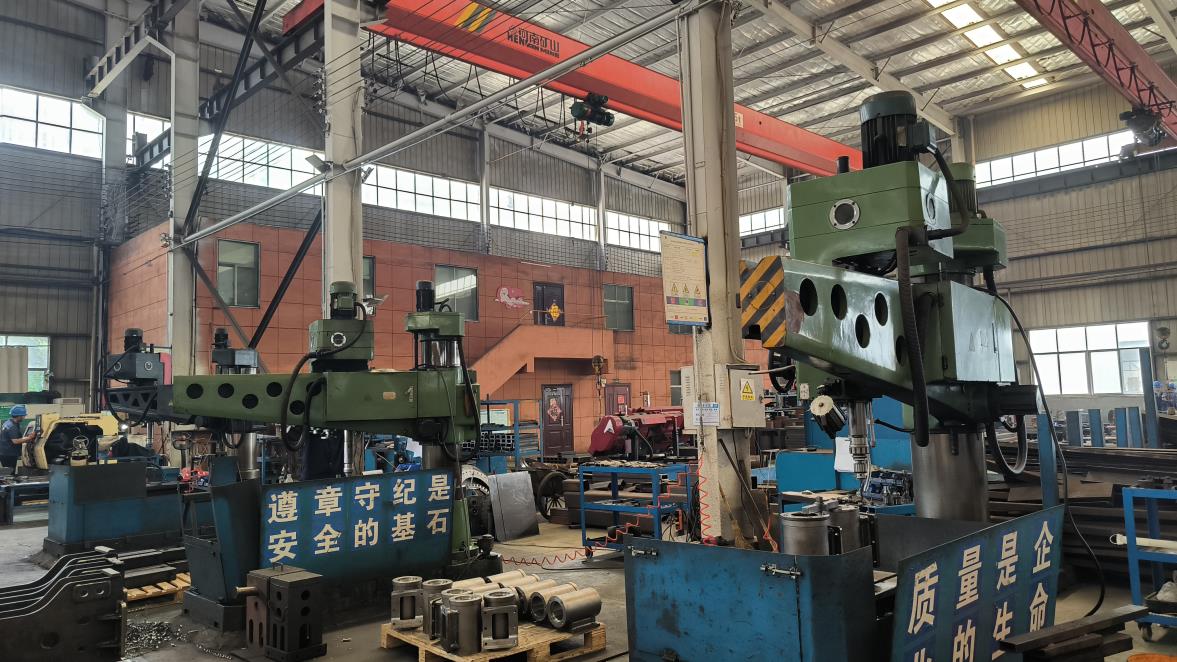
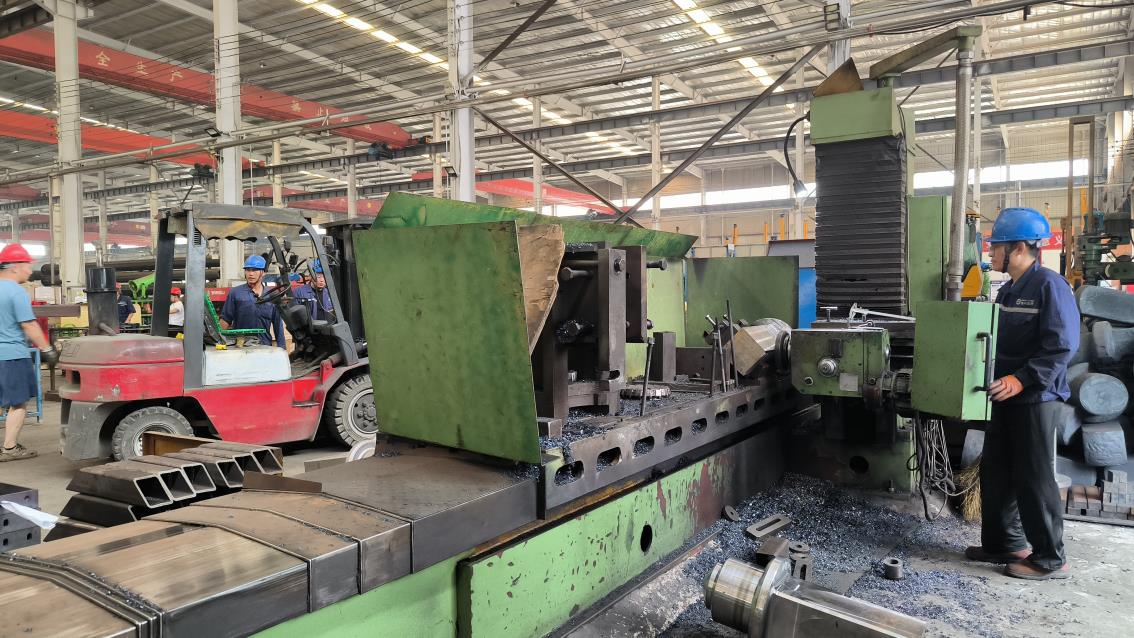
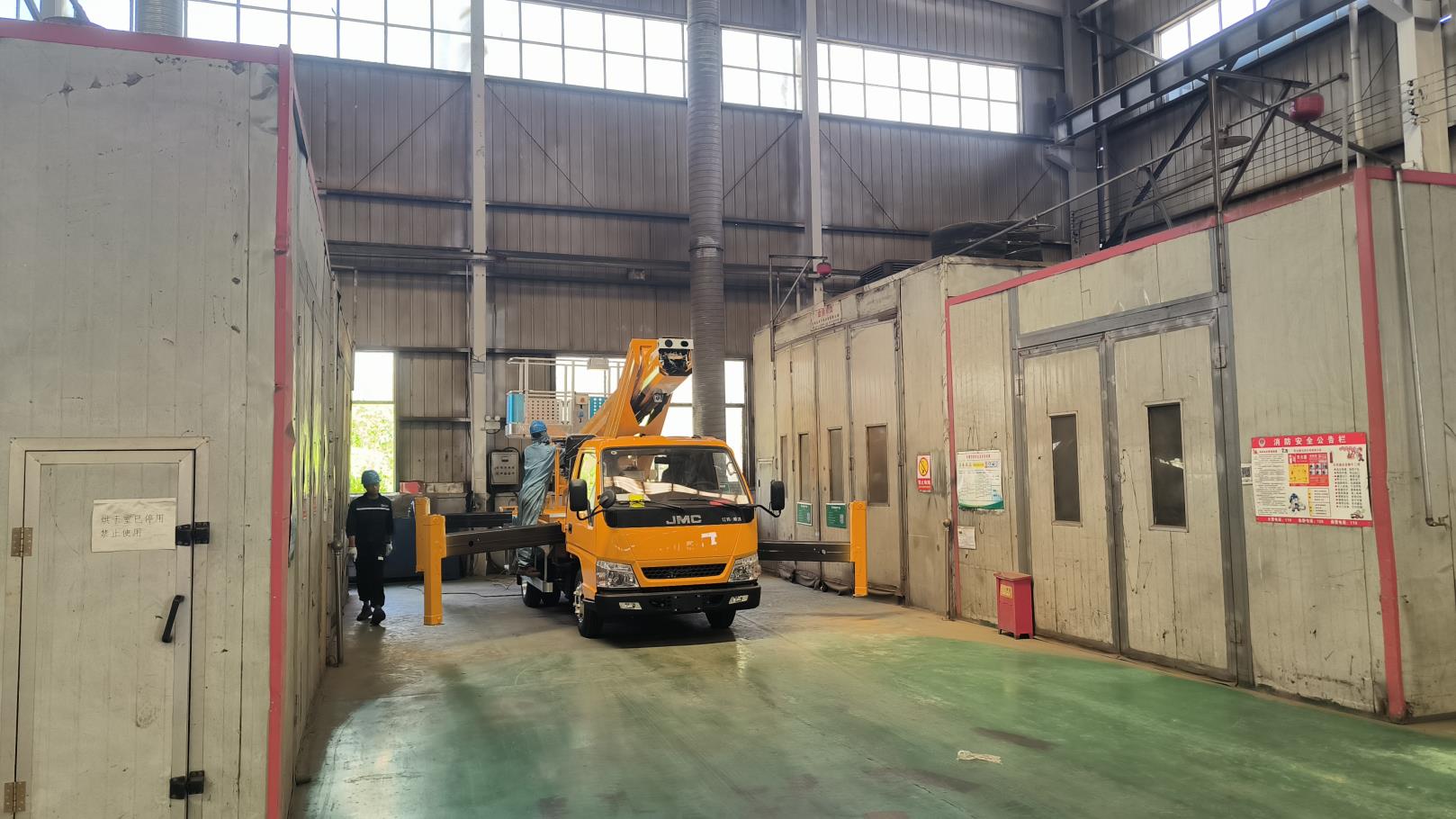
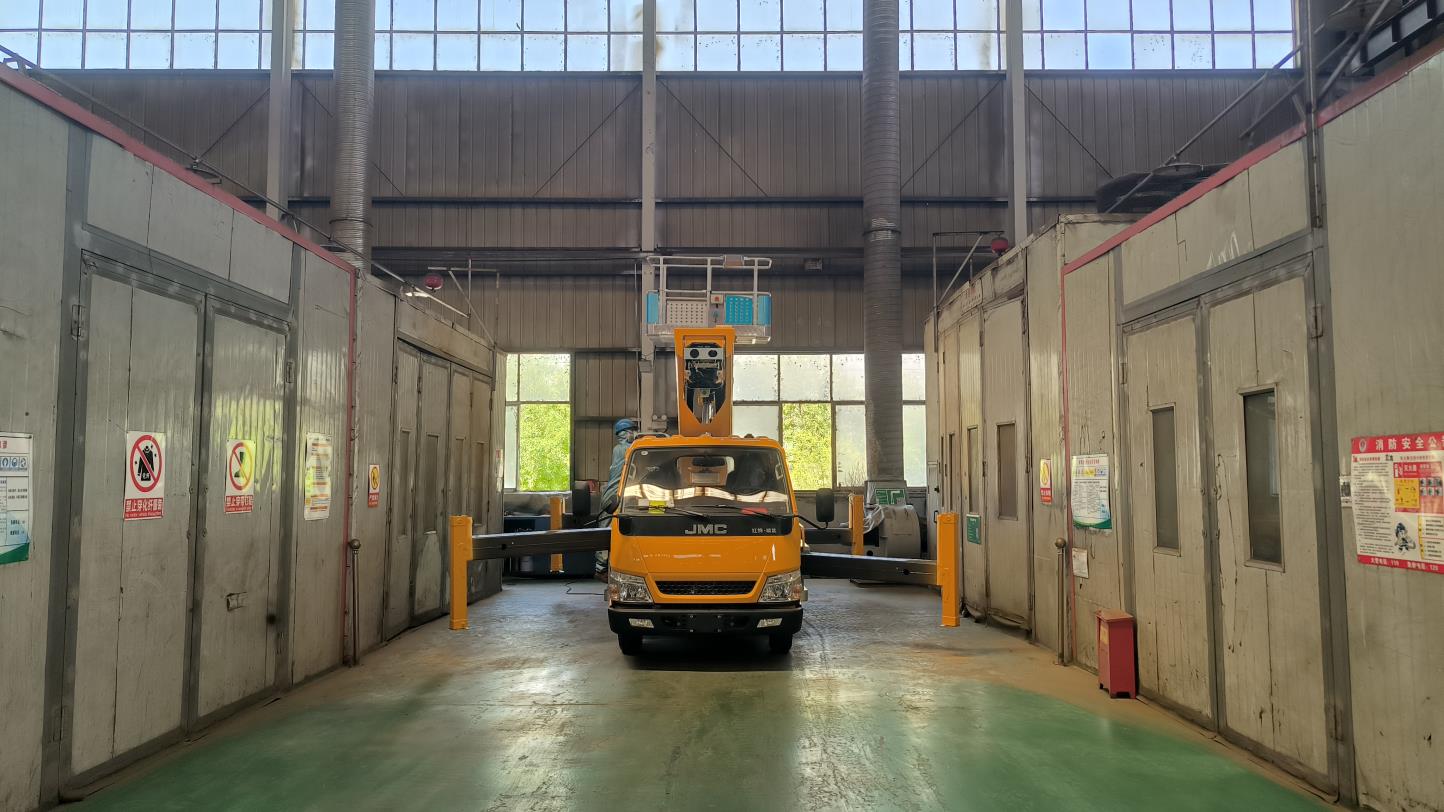
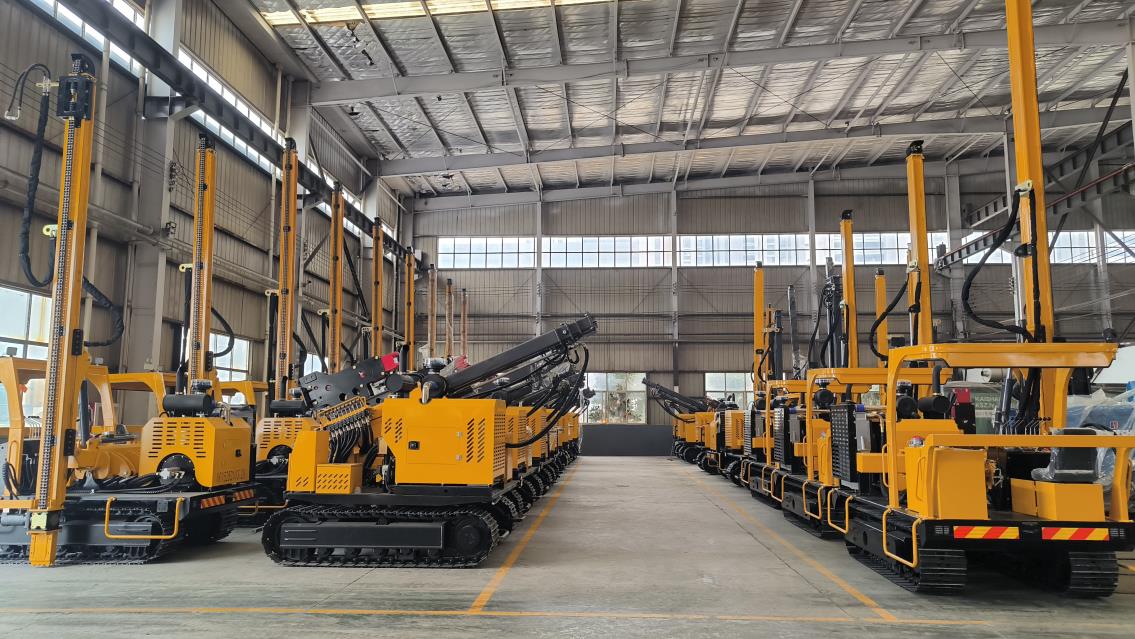
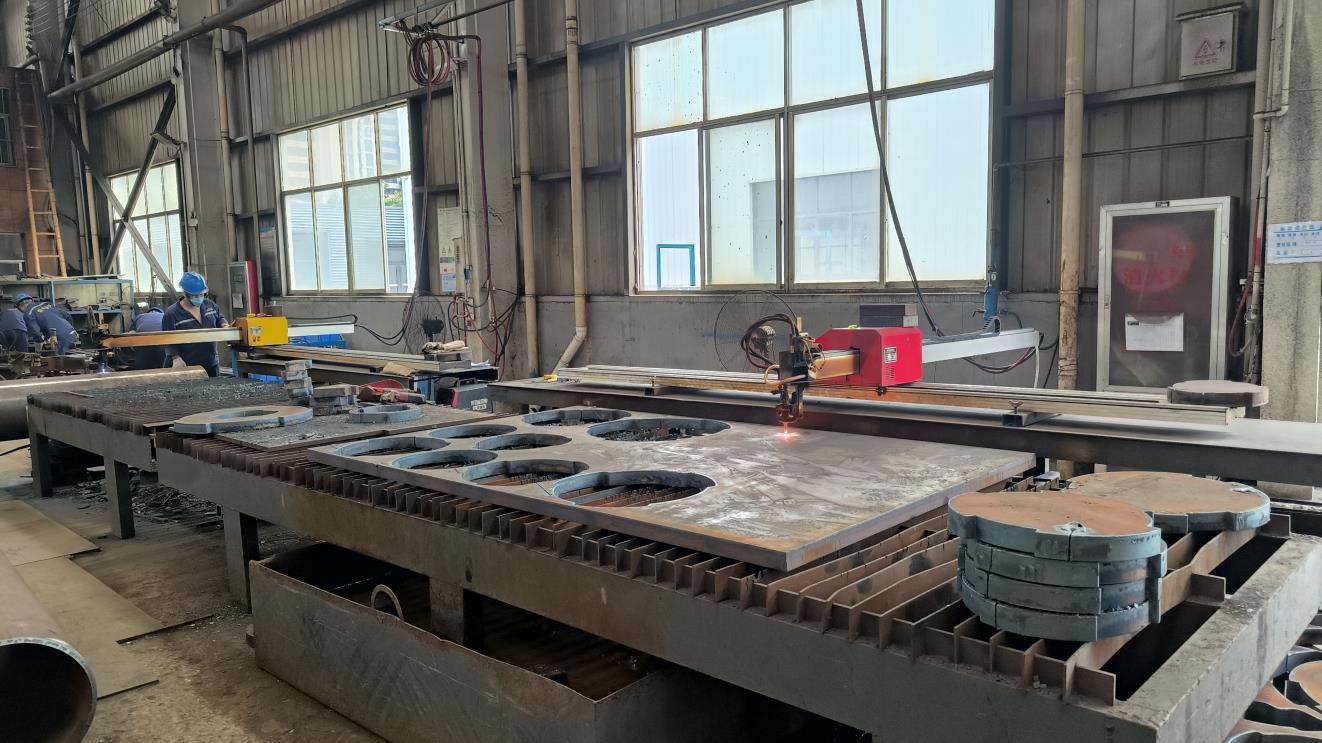
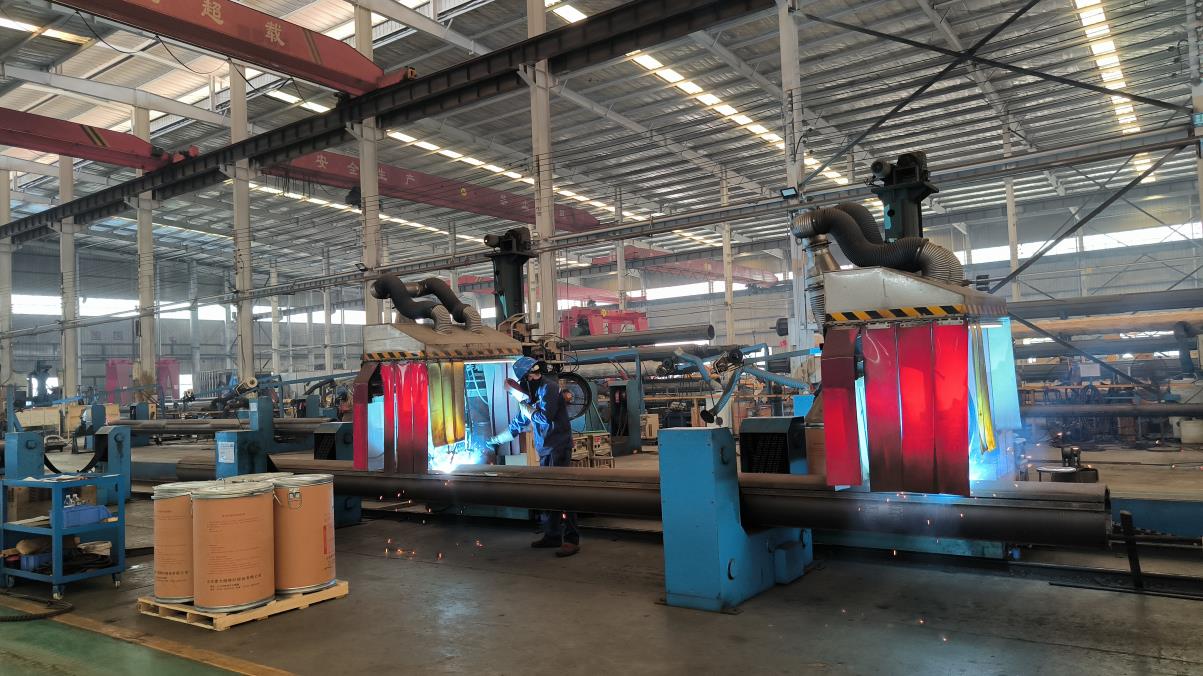
Quality and certification are requirements, not marketing claims. Each consignment for Mulifanua is documented for customs, safety inspection and regulatory audit.
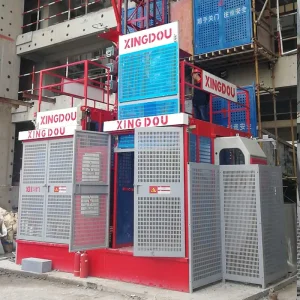
Eight additional configurations covering 4 m to 14 m working heights, industrial hoists and self-propelled platforms — each linked to the full product page.

Send us your site conditions, working height, and annual usage — our engineering team will return a factory-direct configuration, compliance pack and freight plan.