As cold weather approaches, it's essential to consider how to winterize outdoor mobile lifts for winter. These machines are invaluable for various outdoor tasks, but they can suffer in freezing conditions. Proper preparation can ensure their functionality when needed most.
To weatherize your mobile lifts, start by inspecting them thoroughly. Look for any signs of wear or damage. Replace worn components to prevent breakdowns during winter. Next, pay special attention to fluid levels. Ensuring that hydraulic fluids are suitable for low temperatures is crucial.
Protecting sensitive parts from snow and ice is also vital. Using covers designed for this purpose can prolong the lifespan of the equipment. Ultimately, understanding how to weatherize outdoor mobile lifts for winter resonates with the need for reliability and functionality when conditions are harsh. Each step taken now is an investment in future efficiency and safety.
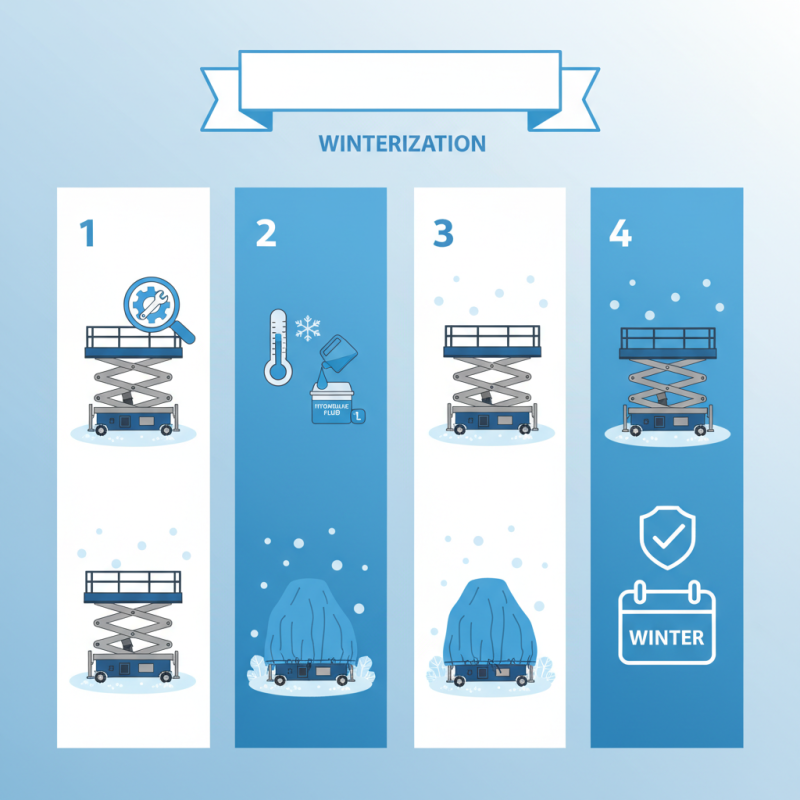
Preparing outdoor mobile lifts for cold weather is essential to ensure their longevity and functionality. Winterizing involves a series of steps that protect these machines from freezing temperatures and harsh conditions. Neglecting this process can lead to costly repairs and reduced performance. Cold weather can cause hydraulic fluid to thicken. This may hinder the lift's ability to operate smoothly. Additionally, accumulated ice and snow can add unnecessary weight and stress.
Understanding the importance of winterizing involves recognizing the potential damage that can occur. Many users forget to inspect hydraulic hoses and connections. These components can become brittle and crack in cold temperatures. Regular checks and proper lubrication are key to maintaining flexibility. Ignoring these details may lead to unexpected failures when the lift is needed most.
Another common oversight is proper storage. Leaving mobile lifts exposed to the elements increases the risk of rust and corrosion. Adequate shelter and protective covers can prevent damage. It’s advisable to keep the battery charged and consider winter-grade fluids for optimal performance. Winterizing is not just about maintenance; it’s about planning for reliability when conditions worsen. A proactive approach can save time and money in the long run.
Cold weather presents unique challenges for outdoor mobile lifts. One significant concern is how frigid temperatures can affect hydraulic systems. The fluid may thicken, leading to sluggish performance or complete failure. Operators need to check the hydraulic fluid regularly. Mixing in anti-freeze additives could be a solution, though it may require ongoing monitoring.
Battery performance also dips in cold weather. Lead-acid batteries lose capacity, which can hinder lift operation. It’s vital to keep the batteries fully charged and consider using insulated covers to protect them. Remember to perform regular checks. Corrosion can occur, even under insulated conditions.
Tire pressure can drop in lower temperatures, leading to mobility issues. Regularly monitoring tire pressure is essential. If tires are flat, the lift becomes immobile, creating safety risks. Reflecting on these issues can lead to better preparedness. Operators often overlook these details, only realizing the consequences after a malfunction occurs. Addressing these challenges requires a proactive approach to maintenance and inspections.
Winterizing outdoor mobile lifts is essential to ensure their longevity and performance. Industry studies indicate that improper storage can lead to significant wear and tear, reducing equipment lifespan by up to 30%. To start, a thorough inspection of the lift is crucial. Look for signs of rust or damage, particularly in hydraulic components. Addressing these issues early can prevent costly repairs.
Next, clean the lift meticulously. Remove dirt, grease, and debris from all surfaces. A clean surface helps protect against corrosion during winter. After cleaning, consider applying a protective coating to metal parts. Even experts recommend this as a best practice. Ensure that all moving parts receive proper lubrication. This will maintain functionality, even in freezing temperatures.
Finally, secure the lift for winter storage. Ensure that it is placed on a flat, dry surface, preferably indoors. If indoor storage isn't feasible, use weatherproof covers. These shields can reduce moisture exposure. While many operators skip this step, neglecting it may result in damage. Regular maintenance and attention to these details are vital, though often overlooked. Balancing immediate tasks with long-term care can be challenging, yet it pays off significantly.
Winterizing outdoor mobile lifts is crucial for optimal operation during cold months. One key area to focus on is maintaining fluid levels. Hydraulic fluids can thicken in cold temperatures. This may hinder the lift's performance. Regularly check fluid levels before winterizing. Ensure fluids are suitable for low temperatures. A fluid that remains stable in cold can help avoid many issues.
Another consideration is the components of the lift itself. Lubricate all moving parts with a winter-grade lubricant. These lubricants can withstand lower temperatures without freezing. It’s essential to inspect seals and gaskets for wear. Any damaged seals can lead to leaks, causing more significant problems in freezing weather.
Often, lift operators overlook these crucial points, thinking all is well. However, experiencing a lift failure can be costly. Successful winterization is about prevention. Spending time on maintenance now ensures safety and operational efficiency later. Take these steps seriously to keep your mobile lifts in top shape through winter.
| Component | Best Practice for Winterization | Recommended Maintenance Schedule | Special Considerations |
|---|---|---|---|
| Hydraulic Fluid | Change to winter-grade fluid | Before first frost | Check compatibility with system |
| Battery | Fully charge before storage | Monthly checks during winter | Store in a warm place if possible |
| Moving Parts | Lubricate with winter-grade grease | Before winter begins | Prevent freezing and jamming |
| Electrical Connections | Clean and protect with dielectric grease | Every few months | Avoid moisture buildup |
| Tires | Inspect and maintain proper air pressure | Bi-weekly during winter | Consider using winter tires if necessary |
Winterizing outdoor mobile lifts is essential for maintaining their performance during cold weather. Regular inspection and maintenance play a crucial role in this process. Checking the hydraulic fluid level is a key aspect. If the fluid is too low, it can freeze and damage the lift. Ensure you use the right type of fluid that suits cold temperatures.
Additionally, inspecting the power supply is vital. Cold weather can affect battery performance. It's wise to keep batteries charged and stored in a warmer area. Routine checks on connections for corrosion can prevent unexpected failures. Remember to also look at hoses and seals. Cold weather can cause these components to become brittle, leading to leaks.
Tips: Create a maintenance schedule. Regular checks can catch issues before they become major problems. Look out for unusual noises or changes in operation. Documenting these observations can help track patterns over time. Keep a maintenance log to reflect on what works and what doesn’t. Taking these steps can extend the lifespan of your mobile lifts.
: Winterizing protects lifts from cold weather damage and ensures reliable performance.
Cold temperatures can thicken hydraulic fluid, affecting lift operation.
Inspect hoses for brittleness or cracks, particularly before winter.
Use adequate shelter and protective covers to prevent rust and corrosion.
Yes, winter-grade fluids remain stable and help avoid performance issues in cold.
Regularly lubricate moving parts and inspect seals for damage to avoid leaks.
Check fluid levels regularly to ensure they are adequate for cold conditions.
Yes, neglect can lead to unexpected failures and costly repairs.
Many forget to inspect critical components, leading to potential lift failures.
Proactive maintenance reduces the likelihood of needing costly repairs later.
Preparing outdoor mobile lifts for cold weather is essential to ensure their longevity and safe operation. Understanding the importance of winterizing mobile lifts involves recognizing the unique challenges that cold temperatures present, such as decreased fluid effectiveness and potential mechanical failures. The article provides a step-by-step guide on how to winterize outdoor mobile lifts for winter storage, highlighting key practices such as draining fluids, checking seals, and protecting components from freezing conditions.
Additionally, maintaining proper fluid levels and inspecting components regularly during the winter months are crucial to prevent damage and ensure the lifts remain operational. By following these best practices and regular maintenance tips, operators can effectively safeguard their mobile lifts against the harsh effects of winter, ensuring reliability and performance when spring arrives.

Kleen Lift