Top 10 Safety Requirements for Operating a Man Lift?

Time:2026-04-29 Author:Ethan
0%

Operating a man lift is crucial in various industries. However, it poses significant risks if safety requirements are neglected. Understanding what are the safety requirements for operating a man lift can prevent accidents and save lives.

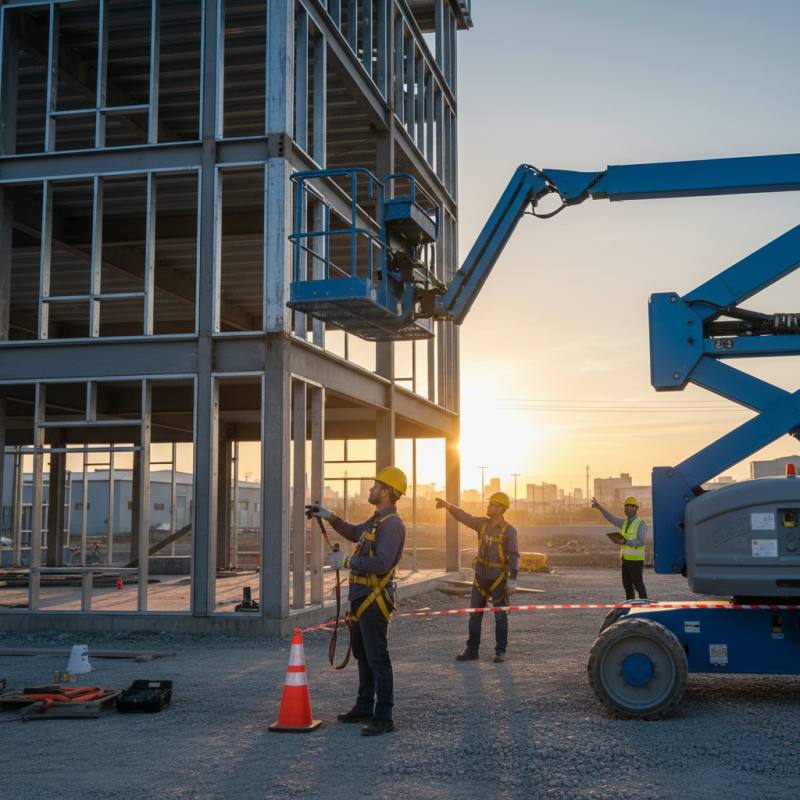
Safety protocols involve proper training for operators. They must be familiar with the equipment and its limitations. Inspections before each use are essential. Ensure that the lift functions correctly and is free from damage. Personal protective equipment, such as hard hats and harnesses, should be worn at all times.

In addition to equipment checks, working conditions matter greatly. Assess the environment for electrical hazards or overhead obstacles. Communication among team members is vital during operation. Operators must convey signals clearly. Despite knowing these requirements, lapses can happen. Reflecting on past incidents can improve safety practices.
Top 10 Safety Requirements for Operating a Man Lift?

Understanding Man Lift Types and Their Specific Safety Features

When operating a man lift, understanding its types and their specific safety features is crucial. Man lifts come in several forms, including scissor lifts, boom lifts, and vertical lifts. Each type has distinct design elements that cater to different tasks. For instance, scissor lifts offer stability for horizontal surfaces, while boom lifts provide extended reach and maneuverability for high elevations.

Safety features are vital. Many lifts are equipped with guardrails, safety harness attachments, and emergency stop buttons. According to industry data, about 70% of lift-related accidents stem from improper use or equipment failure. Training operators on these features can significantly reduce risks.

Regular inspections are essential. A report from the American National Standards Institute suggests that 30% of all lift incidents could be prevented through routine maintenance checks. Operators should familiarize themselves with the specific requirements. Each model may have different load limits or stability protocols. This understanding is not just beneficial; it can be a lifesaver.

Top 10 Safety Requirements for Operating a Man Lift

Safety Requirement Description Importance
Pre-Operational Inspection Check the lift for defects or malfunctions before use. Ensures equipment is safe and functional.
Proper Training Operators must undergo safety training and certification. Reduces operator error and enhances safety.
Fall Protection Use harnesses and safety nets when working at height. Prevents injuries from falls.
Load Capacity Awareness Adhere to the maximum load limits specified for the lift. Avoids tipping and structural failure.
Working Conditions Assessment Evaluate weather and ground conditions prior to operation. Ensures a safe working environment.
Emergency Procedures Establish and communicate emergency response plans. Ready response to unforeseen incidents.
Use of Stabilizers Deploy stabilizers or outriggers when required. Enhances stability and prevents tipping.
Regular Maintenance Schedule routine maintenance checks and repairs. Increases reliability and lifespan of equipment.
Clear Communication Establish clear communication protocols among crew members. Prevents misunderstandings during operations.
Site Security Measures Implement barriers and signage to restrict unauthorised access. Protects personnel and equipment from hazards.

Pre-Operational Checklist: Ensuring Safe Conditions Before Use

Before using a man lift, safety must be the priority. Conducting a pre-operational checklist ensures safe conditions and minimizes risks. Begin by examining the lift for any visible damages. Look for oil leaks or cracked cables that could compromise safety. A damaged lift can lead to severe accidents.

Check the work area for overhead hazards. Ensure there is enough clearance for the lift to operate safely. Remove any obstacles on the ground, as they can cause instability. A cluttered environment can create unexpected dangers. Take time to assess your surroundings before starting.

Tips: Always ensure that all safety features are functional. Test the emergency stop button and harness systems. If unsure about any operation, seek assistance. Do not rush; safety is paramount. If equipment does not seem right, do not use it. Reflect on past experiences where safety was overlooked. Often, these become teachable moments. Empower your work crew to speak up about concerns before using the lift.

Essential Personal Protective Equipment for Man Lift Operators

When operating a man lift, personal protective equipment (PPE) is crucial for safety. Harnesses should fit snugly and allow for movement. Inspect them before each use. Hard hats protect against falling objects. High-visibility vests keep operators visible in busy work environments. Steel-toed boots provide added protection for the feet.

Gloves are vital, yet sometimes overlooked. They improve grip but can wear out quickly. Make sure to check for tears or signs of fatigue before every use. Eye protection is often essential, especially when working near overhead hazards. Safety glasses or goggles shield against debris.

It’s worth noting that operators may neglect certain PPE items. Skipping gloves or helmets might seem harmless, but can lead to severe injuries. Regular training on the importance of PPE is necessary. Dedicate time to assess safety practices to enhance overall team safety. Both equipment reliability and operator diligence play significant roles in preventing accidents.

Safe Operating Procedures: Best Practices During Man Lift Use

Operating a man lift requires strict adherence to safety procedures. Ensuring worker safety is paramount. According to the Occupational Safety and Health Administration (OSHA), falls are a leading cause of workplace injuries. Hence, implementing best practices is critical.

Before operating a man lift, operators must receive proper training. Understanding the machine's functionality minimizes accidents. Pre-use inspections can identify potential hazards. This should include checking safety features like guardrails and emergency stop buttons. Regular maintenance is also essential. A 2017 report indicated that 30% of lift-related incidents were due to equipment failure. Keeping machinery in top condition reduces risks.

When using the man lift, maintaining a three-point contact is vital. This technique secures the operator while elevating. Moreover, being aware of surroundings can prevent collisions or falls. Wind speed is another key factor. OSHA suggests halting operations in gusts over 30 mph. These small steps can significantly ensure safety. Reflection on past incidents reminds us that vigilance is crucial.

Emergency Protocols: Responding to Incidents While Using a Man Lift

When using a man lift, emergencies can happen quickly. An unexpected fall, mechanical failure, or sudden medical issue demands immediate action. It's crucial to have a clear emergency protocol in place. Personnel should be trained regularly on how to respond. They need to know how to safely get down from the lift and report incidents.

Ensure that all workers are aware of the rescue plans. Visibility is key; first responders must know where lifts are located. Regular drills can help simulate emergencies. This builds confidence and readiness among the team.

Accidents may still occur despite precautions, creating a moment of panic. Workers should remain calm and follow established protocols. A frantic response can worsen the situation. Reflections on past incidents can guide improvements. Analyzing the weak points in emergency responses can lead to better safety practices in the future.

FAQS

: What should I check before using a man lift?

: Inspect for damages, oil leaks, and cracked cables. These issues can lead to accidents.

How important is the work area before lift operation?

The work area must be clear of obstacles. Clutter can cause instability and unexpected dangers.

What safety features should I test?

Always check that emergency stop buttons and harness systems are operational before use.

What should I do if I feel unsure about operating the lift?

Seek assistance instead of rushing. It's vital to prioritize safety over speed in operations.

How should I respond to an emergency while using a man lift?

Stay calm and follow emergency protocols. Panic can worsen the situation significantly.

Why is regular training on emergency protocols necessary?

It ensures all personnel know how to respond appropriately and increases confidence in emergencies.

What is the importance of reviewing past incidents?

Reflecting on past experiences helps identify weak points and improve future safety practices.

How can I empower my work crew regarding safety concerns?

Encourage team members to speak up about safety worries before using the lift.

Conclusion

Operating a man lift safely requires a thorough understanding of the specific types and their associated safety features. To ensure compliance with safety standards, operators must begin with a pre-operational checklist that assesses the lift's condition and the surrounding environment. Essential personal protective equipment (PPE) is critical, as it protects operators from potential hazards during use.

Additionally, following safe operating procedures is paramount to minimize risks while the lift is in operation. This includes understanding weight limits, proper use of controls, and maintaining clear communication with ground personnel. Lastly, operators should be well-versed in emergency protocols to effectively respond to any incidents while using the man lift. In summary, it is crucial to consider what are the safety requirements for operating a man lift to ensure a secure work environment for all involved.

Ethan

Ethan

Ethan is a seasoned marketing professional with a deep expertise in our company's innovative product line. With a passion for sharing knowledge and insights, he takes the lead in regularly updating our corporate blog, where he explores industry trends, product features, and effective marketing......