7 Tips to Stabilize a Lift Table on Uneven Ground?

Time:2026-09-11 Author:Oliver
0%

A lift table can look steady while one caster carries most of the load. That hidden imbalance may appear when the platform rises, turns, or receives a heavy object. Learning how to stabilize a lift table on uneven ground requires more than placing a board underneath it. The surface, wheel condition, load position, frame, and lifting height must work together.

Lift-table safety engineer Michael R. Hayes offers a practical reminder: “Stability starts at the floor, not at the platform.” This principle shapes the seven tips in this guide. Each tip focuses on a visible detail, such as checking floor gaps, using rated leveling equipment, locking casters, and keeping the load centered. Small measurements matter. A few millimeters can change the table’s balance.

Real work areas are rarely perfect. Concrete may slope toward a drain. Gravel may shift beneath a support. A temporary platform may feel secure until vibration begins. The checklist helps, but it is not magic. Operators must inspect the setup again after repositioning the table. They should also stop when the table rocks, twists, or exceeds its rated capacity.

One caution deserves emphasis. Improvised blocks may reduce movement but create new failure points. That mistake is easy to make. The safest approach combines manufacturer instructions, site-specific judgment, and careful observation. These methods cannot remove every risk, yet they can make an unstable setup easier to identify before lifting begins.
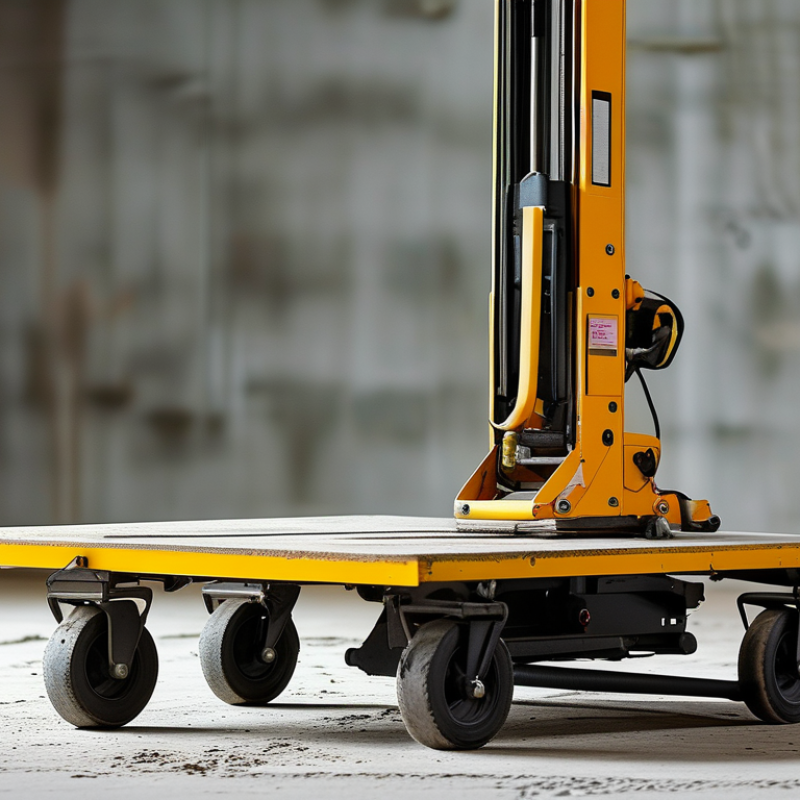
7 Tips to Stabilize a Lift Table on Uneven Ground?

Assess the Ground Conditions Before Positioning the Lift Table

Before positioning a lift table, inspect the ground as carefully as the machine. Uneven concrete, loose fill, wet soil, and hidden voids can shift the load path. Look for slope, cracks, drainage, soft shoulders, and recent excavation. Use a calibrated level, then verify questionable areas with a probe or plate test. Appearance can mislead.

The U.S. Bureau of Labor Statistics recorded 865 fatal occupational injuries involving falls, slips, and trips in 2022. This figure is not lift-table specific, but it shows why small surface errors deserve attention. Measure the slope in several directions, not just beside the table. Check whether the floor can support the combined weight of the table, load, and workers. Review the equipment instructions and EN 1570-1 safety requirements before operation.

A common field mistake is treating a level reading as proof of stability. It is not. If the surface is weak, isolate the area and obtain a competent site assessment. Do not correct instability with loose bricks, scrap metal, or improvised packing. Approved, load-rated shims or support systems may be suitable only when the instructions permit them. Record photos, measurements, weather conditions, and ground repairs. This takes minutes, though rushed teams often skip it. Even experienced operators can misread compacted fill after rain. Recheck the ground when the table moves, the load changes, or the surface becomes wet.

Level the Base with Adjustable Pads, Shims, or Support Platforms

An uneven floor can tilt a lift table, shift its load, and increase side loading. The U.S. Bureau of Labor Statistics recorded 885 fatal workplace falls, slips, and trips in 2023. That figure does not isolate lift tables, but it shows why stable footing deserves attention.

Inspect the floor first. Remove oil, chips, and loose debris. Place adjustable pads under each contact point, then turn them until the frame sits level. Use a spirit level across both directions. For small gaps, install steel shims, not scrap wood. Secure stacked shims so vibration cannot scatter them. A rigid support platform works better when the floor has cracks, slope, or weak concrete. The platform should spread the load beyond the table’s feet. Check the load center before lifting. An off-center pallet can overcome a carefully leveled base. Recheck pad contact after several lift cycles.

Keep the table level.

Follow the equipment manual and applicable ANSI MH29.1 guidance for industrial scissor lifts. NIOSH engineering guidance also favors controlling hazards through design, rather than relying only on operator behavior. In practice, I have seen crews correct one corner and ignore the opposite corner. That shortcut felt efficient, but the frame still rocked under load. Mark the final pad settings, photograph the setup, and inspect them each shift. If the floor keeps moving or settling, stop adjusting and obtain a qualified structural assessment. A shim can correct height. It cannot repair a weak foundation.

Distribute the Load Evenly Across the Table Surface

On uneven ground, a lift table can lean even when its total load remains below the rated capacity. Distribute the load evenly across the table surface, not just near its center. Keep it centered. Place heavier items over the strongest support area, then arrange smaller items around them. Avoid stacking everything along one edge.

Before raising the platform, inspect the contact points and check whether the table rocks. A firm, level base is ideal, but real work areas are rarely perfect. Use approved leveling methods, and never place loose boards or unstable objects beneath the table. Measure the load’s footprint with a tape measure. The center of that footprint should stay close to the platform’s centerline.

A simple square-grid check can reveal uneven loading. Imagine four equal sections on the platform, then compare the weight in each section. If one corner carries noticeably more, reposition the materials or reduce the stack height. Small shifts matter. I have seen operators focus on total weight while ignoring side loading, which can create dangerous movement during lifting. Keep long items supported at several points, and secure them against sliding. Recheck the arrangement after the first lift because vibration may change the balance. If the platform tilts, lowers unevenly, or makes unusual sounds, stop and inspect it. A second person can provide a useful visual check, although judgment can still be imperfect.

Secure the Lift Table Against Sliding, Tilting, and Vibration

7 Tips to Stabilize a Lift Table on Uneven Ground

A lift table can slide, tilt, or vibrate when its base meets uneven flooring. Start by inspecting the ground for cracks, oil, loose gravel, and sudden height changes. Clean the contact area before positioning the table. Use adjustable leveling feet or rated support plates to spread the load. Never rely on one wheel lock. Engage every brake, then confirm each contact point remains firm. The U.S. Bureau of Labor Statistics recorded 865 fatal workplace falls, slips, and trips in 2022. That figure shows why small stability checks deserve serious attention.

Keep the load centered and below the table’s rated capacity. A side-heavy pallet can shift the center of gravity during lifting. Add mechanical restraints when the load could roll or move. Use chocks, edge stops, or approved anchoring points where practical. Raise the platform slowly, watching for frame movement and uneven compression. Stop immediately if one corner lifts, rocks, or produces unusual noise. Vibration may come from nearby machinery, damaged casters, or an uneven load. Isolate the table with a suitable anti-vibration pad, but verify its load rating first. ISO 12100 risk-assessment principles support identifying hazards before operation, not after an incident.

Do not trust a quick visual check. Test the table empty, then with a small load. Recheck it after several lifting cycles. In my experience, operators often tighten the brakes but ignore the floor condition. That habit needs reconsideration. Record the inspection, load position, support setup, and any vibration changes. If stability remains uncertain, remove the table from service and request a competent technical assessment.

7 Tips to Stabilize a Lift Table on Uneven Ground? - Secure the Lift Table Against Sliding, Tilting, and Vibration

No. Stabilization Tip Recommended Practice Useful Dimension or Limit Purpose Verification Check
1 Survey the Ground First Remove loose gravel, oil, ice, mud, and debris. Place the table only on a firm, compacted, load-bearing surface. Use the lift table manufacturer’s maximum slope limit. If no limit is stated, do not operate on a visibly sloped surface until it has been assessed. Reduces wheel settlement, unexpected movement, and uneven loading of the base frame. Check the surface with a calibrated spirit level or digital inclinometer before positioning the table.
2 Use Wheel Chocks and Brakes Engage every wheel brake and fit correctly sized chocks on both sides of wheels that can roll. Chock contact should be firm and aligned with the wheel; do not rely on a brake alone on a slope. Prevents sliding caused by pushing, braking forces, rolling loads, or vibration. Attempt a controlled push at floor level. The table should not roll, creep, or rotate.
3 Install Adjustable Leveling Pads Lower leveling feet or screw jacks until the wheels are unloaded when the equipment is designed for stationary operation. Use a pad diameter and rated capacity suitable for the total lifted load and the floor bearing capacity. Creates a wider, more rigid support footprint and reduces rocking on irregular floors. Confirm all pads are firmly seated and the platform remains level through its full travel.
4 Add Load-Spreading Plates Place steel plates, hardwood blocks, or engineered composite pads under support points when the ground is soft or uneven. Select plate area using: required area = support force ÷ allowable ground pressure. Limits sinking and differential settlement that can cause tilting. Inspect plates for bending, cracking, rocking, or visible indentation in the ground.
5 Keep the Load Centered and Low Center the load over the platform and place heavier items as low as practical. Secure loads that may shift. Stay within the rated load capacity and rated load-center distance shown on the equipment data plate. Reduces overturning moment, uneven scissor loading, and sudden platform movement. Measure the load position from the platform centerline and confirm it matches the operating instructions.
6 Control Vibration and Side Forces Do not use the raised platform as a work support for impact tools, side pulling, dragging, or personnel movement not permitted by the manual. Treat any unlisted horizontal force as a hazard; use the manufacturer’s specified side-load limit. Prevents rocking, fastener loosening, fatigue damage, and loss of stability. Stop operation if abnormal noise, oscillation, frame movement, or hydraulic pulsation appears.
7 Perform a Controlled Stability Test Test the empty table first, then test with a representative load while observing the base, wheels, pads, platform, and lifting mechanism. Raise and lower only within the manufacturer’s permitted operating range and never exceed rated capacity. Confirms that the setup remains stable during movement rather than only at floor level. Stop immediately if any wheel lifts, pad shifts, frame twists, load slides, or the platform tilts unexpectedly.
Safety note: These are general stabilization practices, not a substitute for the lift table manufacturer’s instructions, rated capacity, slope limits, inspection requirements, or applicable workplace regulations. If the table cannot be leveled and secured on the available surface, do not operate it.

Inspect Stability and Recheck the Setup Before Each Operation

A lift table can look stable while one wheel carries most of the load. Uneven ground changes that balance quickly. Before each operation, inspect the floor for holes, loose gravel, oil, and sloped surfaces. Remove small obstacles. They matter.

Check all casters, leveling feet, brakes, pins, and frame joints for wear or movement. Confirm the table sits within its permitted working slope. Never assume a locked caster means the platform is secure. Place the table on firm ground, then adjust each leveling foot until the frame feels even. Use a spirit level when available. Keep the load centered over the platform, not near one edge. Confirm the total weight remains below the stated capacity. Check the load shape too. Tall or shifting items can affect stability even when the weight is acceptable.

Recheck the setup immediately before raising or lowering the platform. Push gently against the frame and watch for rocking, sliding, or delayed caster movement. Stop if anything feels loose. I once found a slightly bent leveling foot after a table passed a visual inspection. That small defect changed the platform height during loading. A second check would have caught it earlier. Keep people clear of the travel area, and operate controls from a position with a clear view. After moving the table, inspect the ground again. A setup that was stable near the wall may become unsafe beside a drain cover. Conditions change. Check again.

7 Tips to Stabilize a Lift Table on Uneven Ground

Each bar represents one essential pre-operation stability check. Confirm that the surface is firm, position the lift table correctly, use suitable leveling or support equipment, secure the load, inspect the table, verify the controls, and recheck the complete setup before every operation.

FAQS

: What should I inspect before positioning a lift table?

: Check slope, cracks, drainage, soft edges, loose fill, wet soil, and recent excavation. Appearance can mislead. Use a calibrated level and investigate questionable areas.

Can a level reading prove the ground is stable?

No. A level reading only shows surface angle. It does not confirm foundation strength or hidden voids. Use a probe, plate test, or qualified site assessment when needed.

How can I level the lift table safely?

Use adjustable pads, approved steel shims, or a rated support platform. Remove oil, chips, and loose debris first. Never use loose bricks, scrap metal, or unstable boards.

When is a support platform useful?

A support platform helps when concrete is cracked, sloped, or weak. It should spread the load beyond the table’s contact points. A shim corrects height, not foundation weakness.

How should I distribute materials on the platform?

Keep the load close to the platform centerline. Place heavier items over the strongest support area. Avoid concentrating materials along one edge.

How can I check for uneven loading?

Imagine four equal sections across the platform. Compare the weight in each section. Reposition materials if one corner carries noticeably more.

What should I do if the table rocks or tilts?

Stop lifting and inspect the base, pads, load position, and contact points. Do not continue because the total weight is within capacity. The load may still create dangerous side pressure.

When should I recheck the setup?

Recheck after several lift cycles, load changes, movement, rain, or wet conditions. Inspect pad contact every shift. Small changes matter.

Conclusion

Knowing how to stabilize a lift table on uneven ground is essential for safe and reliable operation. Begin by inspecting the surface for slopes, loose soil, cracks, moisture, or obstacles that could affect balance. Position the table on the firmest available area, then use adjustable leveling pads, durable shims, or a suitable support platform to create a stable, even base. Make sure all supports contact the ground securely and that the table remains level before adding a load.

Place materials evenly across the table surface and keep the center of gravity within the supporting area. Prevent movement by using appropriate restraints or anti-slip measures to reduce sliding, tilting, and vibration during operation. Before each use, inspect the table, supports, fasteners, and surrounding ground for changes or damage. Recheck the setup after positioning the load, and stop operation immediately if the table shifts, rocks, or shows signs of instability.

Oliver

Oliver

Oliver is a seasoned marketing professional with a wealth of expertise in driving brand awareness and engagement. With a deep understanding of our company's product offerings, he consistently delivers high-quality content that enriches our professional blog. His insights not only shed light on......