When considering commercial and industrial applications, one key question arises: how much weight can a standard cargo lift handle? According to industry expert John Atkinson, a senior engineer at Lift Solutions, “The load capacity of a cargo lift is determined by various factors, including its design and intended purpose.” This statement highlights the complexity behind load specifications.
Typically, standard cargo lifts have a weight capacity ranging from 1,000 to 10,000 pounds. However, specific models cater to various needs. Understanding these limits is crucial for safety and efficiency in operations. For instance, exceeding the recommended load can lead to mechanical failure, resulting in costly downtime or even accidents.
Lifts not only serve as tools but also as vital components of logistics. Each lift's weight capacity plays a significant role in shaping workflow. Knowing "how much weight can a standard cargo lift handle" empowers businesses to make informed decisions. This knowledge is essential for optimizing load transport without compromising safety. It invites continuous evaluation of existing systems to ensure they meet the demands of evolving industrial environments.
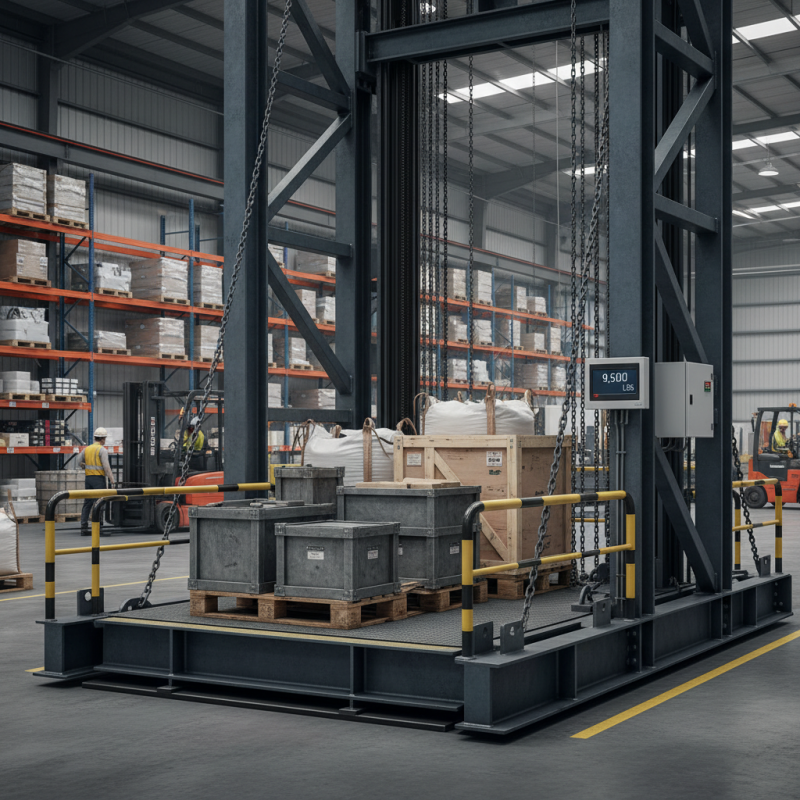
Understanding Standard Cargo Lifts and Their Weight Capacities
Cargo lifts are essential in many industries. Their main purpose is to transport heavy items between different levels of a building. Understanding their weight capacities is crucial for safe and efficient operation. A standard cargo lift can typically handle between 1,000 to 6,000 pounds. This wide range often depends on the design and specifications of the lift.
Several factors affect a cargo lift's weight capacity. These include the materials used in construction and the lift's design. It’s also important to consider the condition of the lift. Regular maintenance can enhance its reliability and safety, ensuring it operates effectively. Misuse or failure to adhere to weight limits can lead to malfunctions or accidents.
Users must reflect on their specific needs when selecting a cargo lift. The weight capacity should align with the types of goods being transported. Overloading a lift can result in costly repairs or safety hazards. Each lift comes with guidelines regarding maximum loads. Familiarizing oneself with these details is vital for any organization that relies on cargo lifts.
Weight Capacities of Standard Cargo Lifts
Factors Affecting the Weight Limit of Cargo Lifts
When considering the weight limit of a standard cargo lift, several factors come into play. The design and construction materials are crucial. A lift made of high-grade steel can carry more weight than one built with less durable materials. The size of the lift also matters significantly. A larger platform typically distributes weight better, allowing for heavier loads.
Another influencing factor is the type of cargo being lifted. Some materials are more compact and dense, requiring careful calculation of weight versus volume. Additionally, the frequency of use can affect the weight capacity over time. Frequent heavy use may lead to wear and tear, thus reducing the lift's effective weight limit.
Lastly, compliance with safety regulations ensures the lift operates within safe parameters. Regular maintenance and inspections help identify potential weaknesses. Ignoring these factors can result in accidents or equipment failure. It's essential to remain aware of these details to maintain the lift's reliability and safety.
How Much Weight Can a Standard Cargo Lift Handle? - Factors Affecting the Weight Limit of Cargo Lifts
| Lift Type |
Max Weight Capacity (lbs) |
Platform Size (sq ft) |
Power Source |
Common Applications |
| Freight Elevator |
5000 |
20 |
Electric |
Warehouses, Factories |
| Lift Table |
3000 |
12 |
Hydraulic |
Manufacturing, Assembly |
| Service Lift |
1500 |
8 |
Electric |
Restaurants, Retail |
| Cargo Lift |
2000 |
10 |
Electric, Hydraulic |
Construction, Storage |
| Scissor Lift |
2500 |
6 |
Electric |
Maintenance, Repairs |
Types of Cargo Lifts and Their Weight Handling Abilities
Cargo lifts come in various types, each designed to serve specific needs and weight capacities. Generally, a
standard cargo lift can handle between 2,000 to 6,000 pounds, but some models exceed this range. For instance, scissor lifts are popular for their vertical movement, typically supporting loads up to 2,500 pounds. Their design ensures stability, making them suitable for warehouses and manufacturing facilities.
Other types, like the freight elevators, can manage heavier loads. These can lift between 5,000 to 10,000 pounds, accommodating larger items. In fact, recent industry reports indicate that alternative designs, such as hydraulic lifts, can extend up to 15,000 pounds. These systems are essential in logistics where heavier machinery or bulk goods are transported.
Considerations about weight limits are crucial for safety and efficiency. Overloading a cargo lift can lead to mechanical failures or accidents. It's vital to assess actual weight needs versus the lift’s specifications. Industry experts suggest conducting routine maintenance checks to ensure reliability. Monitoring operational limits supports both the longevity of the equipment and the safety of workers.
Safety Standards and Regulations for Cargo Lift Weight Limits
Cargo lifts play a crucial role in transporting goods safely. However, understanding their weight limits is essential. Safety standards set by organizations such as the American Society of Mechanical Engineers (ASME) provide guidelines. According to ASME A17.1, standard cargo lifts typically have a weight capacity ranging from 2,000 to 10,000 pounds. These figures can vary based on design and construction.
Compliance with safety regulations is vital. Regular inspections must be carried out to ensure that lifts do not exceed their weight limits. Manufacturers often recommend annual maintenance checks. Ignoring these can pose significant risks. For example, a reported incident revealed that overloading a cargo lift led to a catastrophic failure, injuring multiple workers. Such accidents highlight the importance of adhering to recommended weight restrictions.
Moreover, understanding load distribution is equally important. Uneven weights can cause instability, increasing the chances of malfunction. A 2022 study indicated that 25% of cargo lift failures occur due to improper loading practices. This emphasizes the need for proper training for operators. Monitoring and following safety protocols is necessary to mitigate risks associated with cargo lifts.
Best Practices for Loading Cargo Lifts to Maximize Performance
When loading a cargo lift, safety and efficiency are paramount. First, always check the lift's weight capacity. Many lifts have specific limits based on design and intended use. Overloading can cause mechanical failure or pose serious safety risks. Ensure loads are evenly distributed to maintain balance. This practice reduces strain on the lift and extends its lifespan.
Additionally, avoid placing items at odd angles. This can disrupt stability and lead to accidents. Regularly inspect the lift for wear and tear. Look for signs of deterioration, such as rust or loose components. If something seems off, it’s crucial to address the issue promptly. Lastly, educate all users on proper loading techniques. Knowledgeable operators can prevent mishaps and improve overall performance. While using a cargo lift may seem straightforward, thoughtful loading is key to maximizing its capabilities and ensuring safety for all.
Conclusion
When considering "how much weight can a standard cargo lift handle," it's essential to understand the weight capacities associated with different types of cargo lifts and the various factors that influence these limits. Standard cargo lifts are designed to accommodate specific weight thresholds, which can vary based on their construction, materials, and intended use.
In addition to the inherent specifications of the lift, factors such as the distribution of weight, the environment in which the lift operates, and adherence to safety standards and regulations play a critical role in determining the effective weight limit. By following best practices for loading and operating cargo lifts, users can ensure optimal performance and safety, maximizing the lift's capabilities while adhering to its designated weight limits.

 Kleen Lift