When considering a cargo lift, one of the most pressing questions is, "how much weight can a standard cargo lift handle?" Understanding this capacity is crucial for both safety and efficiency. Whether for industrial use or relocating heavy items in a warehouse, these lifts play a vital role. Knowing the weight limit helps avoid potential accidents and equipment damage.
Cargo lifts typically have a specified capacity, ranging from a few hundred to several thousand pounds. Factors such as design, materials, and intended use can affect this. Some lifts excel in performance but have limitations, prompting users to question their choices. For example, a lift rated for 2,000 pounds might handle larger loads with caution but isn’t designed for extremes.
Evaluating the needs and making an informed decision is essential. Consider the type of goods, their total weight, and the frequency of use. Understanding how much weight a standard cargo lift can handle guides choices and ensures safe, efficient operations. Keeping these factors in mind can lead to better outcomes and ultimately enhance the lift's utility.
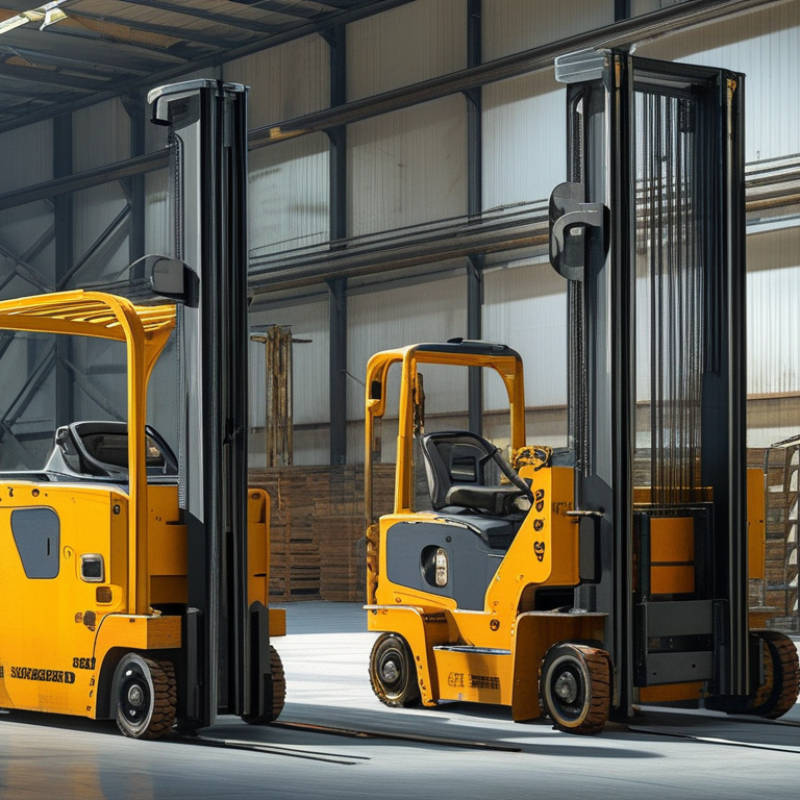
When considering a standard cargo lift, knowing its capacity is crucial. Standard cargo lifts are designed to handle specific weight limits, which can vary based on the model and installation. Understanding these limits fosters a safer working environment. Regular maintenance checks enhance their performance.
Tips: Always check the manufacturer's guidelines for weight limits. Overloading can lead to failure or accidents. Training staff on proper loading techniques is also essential. Be mindful of uneven weight distribution, which can compromise the lift's efficiency.
Cargo lifts come in various sizes and specifications. A properly chosen lift meets the demands of your business without straining its capabilities. However, it's wise to consider future growth. Regularly assess your needs to ensure you don’t outgrow your current lift. Planning for upgrades can save time and resources later.
When considering the weight capacity of a cargo lift, several key factors come into play. The lift’s design and engineering significantly influence how much weight it can safely handle. For instance, certain lifts are designed for heavier loads, while others prioritize space and smaller items. Understanding the specific use case and load requirements can help in selecting the right lift.
Material quality is another critical aspect. Cargo lifts made from high-grade steel can support more weight compared to those made from lesser materials. It’s not just about the lift itself; the load distribution matters as well. Unevenly distributed weight can lead to operational issues and increase the risk of accidents.
Additionally, maintenance plays a vital role in ensuring safety and longevity. Regular checks on the mechanical components can prevent unexpected failures. Sometimes, lifting capacity may seem adequate, but wear and tear can warrant a reassessment. Users must be vigilant about signs of stress or fatigue in their cargo lift systems. Such reflections can lead to safer operations and more reliable performance.
This chart illustrates the weight capacity of standard cargo lifts based on different sizes and specifications. The values represent the maximum load each lift can handle effectively.
Cargo lifts are essential in industrial and commercial settings. They facilitate the movement of goods between levels. Understanding their weight capacities is key to efficient operations. A standard cargo lift typically handles 1,000 to 10,000 pounds. The specific capacity depends on design, size, and intended use.
Many factors influence weight limits. These factors include lift dimensions and the materials used in construction. Smaller lifts, like those used for residential purposes, often have lower weight limits, around 500 to 1,500 pounds. In contrast, larger lifts in manufacturing facilities can manage much heavier loads. Operators must be cautious about exceeding these limits.
Maintaining operational safety is paramount. Overloading a lift can lead to mechanical failures. Such failures may result in costly repairs or safety hazards. Regular inspections and adherence to guidelines ensure reliability. Assessing cargo types is also vital. Fragile items may require special handling. Balancing loads evenly in the lift can improve stability.
When considering the safety standards for cargo lifts, it's essential to understand various regulations. The American Society of Mechanical Engineers (ASME) defines key safety codes. Compliance helps ensure not only the lift's functionality but also the safety of users and operators.
A critical aspect of cargo lift safety is load capacity. Standard lifts are designed to handle specific weight limits, typically ranging from 2,000 to 5,000 pounds. Exceeding these limits can lead to catastrophic failures. Regular maintenance and inspections are vital. Reports indicate that nearly 40% of lift accidents stem from improper usage or maintenance neglect.
Tips for safe operation include conducting routine checks on mechanical components. Operators should be trained to recognize warning signs, such as unusual noises or jerking movements. Ensure that loads are evenly distributed to prevent tipping. Always follow capacity guidelines to reduce risks. A proactive safety culture is key. Engaging all users in the importance of following safety standards can mitigate accidents and enhance operational reliability.
Maintaining a cargo lift is crucial for its longevity and efficiency. Regular inspections are necessary to identify potential issues before they escalate. Inspect the cables and pulleys for signs of wear and tear. These components are critical for safety, and small issues can lead to larger problems.
Another important aspect of maintenance is lubrication. Ensure all moving parts are well-lubricated. Use appropriate lubricants according to the manufacturer’s guidelines. This reduces friction and prevents premature wear. Pay attention to the hydraulic system; leaks can compromise performance.
Keep the lift clean and free from debris. Dirt can accumulate on surfaces, causing mechanical stress. Regular cleaning helps to maintain operational efficiency. Train staff on proper usage, as human error can lead to unnecessary strain on the lift. Always assess and adjust load limits based on the manufacturer's specifications. Ignoring these can be dangerous. Regular maintenance ensures optimal performance, but not all facilities prioritize this. Reflecting on maintenance practices can lead to improvements.
: A standard cargo lift typically handles between 1,000 to 10,000 pounds.
The design, size, and materials used influence a lift's weight limits.
Smaller lifts generally manage between 500 to 1,500 pounds.
Overloading a lift can cause mechanical failures and endanger safety.
Overloading may lead to costly repairs and serious safety hazards.
Regular inspections are essential for ensuring reliability and safety.
Always conduct routine checks and ensure loads are evenly distributed.
Fragile items may need special handling and should be assessed carefully.
Reports show that nearly 40% of lift accidents result from maintenance neglect.
Engaging all users in safety importance can help mitigate accidents.
A standard cargo lift is designed to efficiently transport goods between different levels of a building. Understanding how much weight a standard cargo lift can handle is crucial for ensuring safety and optimal performance. Various factors influence its weight capacity, including the design, materials used, and intended operational environment. Typically, cargo lifts are engineered to carry loads ranging from 1,000 to 10,000 pounds, depending on their specifications.
Moreover, adherence to safety standards and regulations is essential to prevent accidents and prolong the lift’s lifespan. Regular maintenance, such as inspection and timely repairs, further supports optimal performance and reliability of cargo lifts. By keeping these factors in mind, users can maximize the functionality and safety of their cargo lifts while effectively managing their weight capacities.

Kleen Lift