How to Reduce Noise Levels in Industrial Cargo Lifts Best Tips?

Time:2026-06-19 Author:Amelia
0%

Noise pollution is a significant concern in industrial operations, particularly in facilities utilizing cargo lifts. According to a report by the Occupational Safety and Health Administration (OSHA), excessive noise levels can lead to hearing loss and increased stress among workers. In fact, studies indicate that around 22 million U.S. workers are exposed to hazardous noise annually. This data highlights the urgency of addressing how to reduce noise levels in industrial cargo lifts.

Many industries face challenges with noise management. Increased machinery sound can disrupt operations and affect employee productivity. When analyzing the noise levels in cargo lifts, equipment vibrations and mechanical failures often contribute majorly to the problem. Implementing strategies to mitigate noise can serve both the workforce's health and the overall efficiency of the operation. However, achieving low-noise environments requires a multifaceted approach, often necessitating an investment in soundproofing materials and regular maintenance.

Understanding how to reduce noise levels in industrial cargo lifts involves not just technical knowledge but also a commitment to ongoing assessments and improvements. Employers must recognize that while some noise is inevitable, excessive noise is not. Evaluating current practices and adopting innovative solutions can yield significant benefits, fostering a safer and more productive workplace.
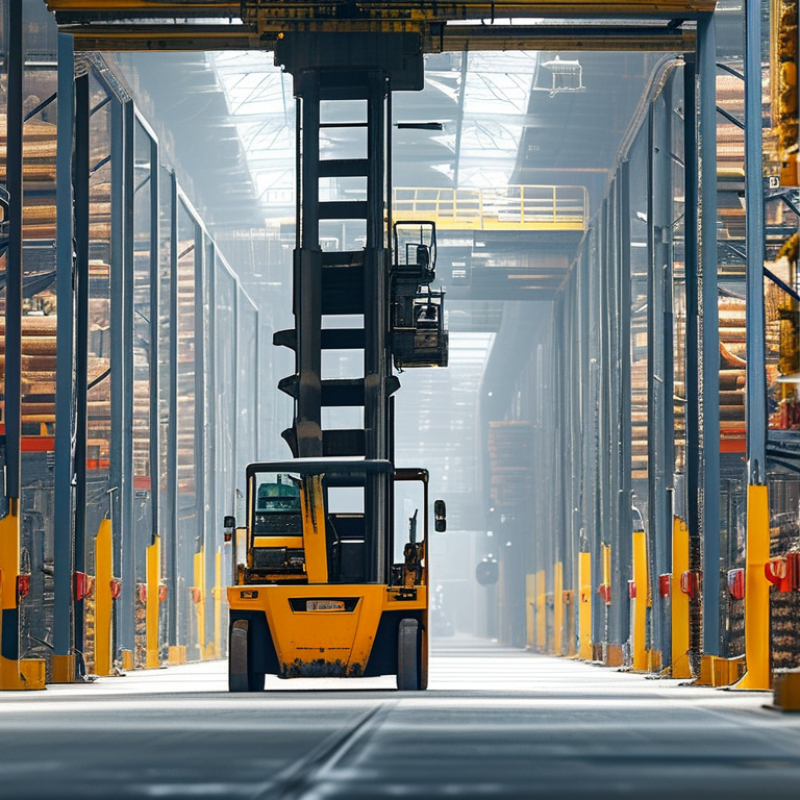
How to Reduce Noise Levels in Industrial Cargo Lifts Best Tips?

Understanding Noise Sources in Industrial Cargo Lifts

Understanding noise levels in industrial cargo lifts is crucial for a safer and more efficient workplace. The primary noise sources include the mechanical systems, such as the motor and pulleys, and the vibrations transmitted through the lift’s structure. According to the Centers for Disease Control and Prevention (CDC), prolonged exposure to noise levels exceeding 85 decibels can cause hearing loss. Many industrial settings experience levels well above this threshold.

To effectively reduce noise, first, regular maintenance is vital. Lubricating moving parts can significantly cut down friction-related noise. Additionally, installing sound insulation around the lift shaft may minimize sound transmission. Using dedicated vibration-damping mounts for the motor can also help in reducing overall noise.

Furthermore, employee training on proper usage can play a key role. Operators should be aware of the lift’s capacity and operation protocols. A study published by the Occupational Safety and Health Administration (OSHA) stresses that often noise issues arise from misuse or overloading. Proper education can mitigate these problems, contributing to a quieter work environment. By being proactive, facilities can not only ensure compliance with noise regulations but also foster a healthier workplace culture.

Evaluating the Impact of Noise on Operations and Safety

Evaluating the impact of noise levels in industrial settings is crucial. Excessive noise from cargo lifts can hinder communication and reduce worker focus. It can also lead to fatigue, which affects safety. Workers may struggle to hear alarms or verbal warnings over the din, risking accidents.

Effective strategies to manage noise are essential. Regular maintenance of lift equipment can prevent unnecessary sounds. Installing soundproof barriers around lift shafts may also help. Simple solutions like using noise-dampening materials can significantly lower sound levels. Additionally, worker training on recognizing noise hazards is vital. Employees should understand how noise impacts their performance.

Reflection is necessary as well. Not all solutions may work universally. Some industries may face specific challenges that require tailored approaches. Regularly assessing the noise levels and their effects ensures that adjustments are made continually. Cultivating a proactive mindset is key to maintaining both safety and productivity.

Implementing Soundproofing Techniques in Cargo Lift Design

Cargo lifts play a crucial role in industrial settings. However, noise can be a significant issue. Implementing soundproofing techniques in the design of these lifts can effectively reduce noise levels. One practical approach is to use acoustic panels within the lift shaft. These materials absorb sound and minimize vibrations. Additionally, enclosing the lift machinery with sound-insulating covers can further limit noise.

Another essential method is to focus on the lift's doors. Using heavy-duty, solid-core doors can significantly reduce noise transmission. Soft-close mechanisms can also help lessen the sound of doors slamming shut. Moreover, the choice of materials matters. Rubber grommets and seals can dampen vibrations at critical junctions, such as where the lift meets the frame.

While these solutions can be effective, not all approaches will work in every environment. Each industrial space is unique, posing different challenges. Regular assessments of sound levels are necessary to understand ongoing issues. Feedback from operators can provide insights into the lift's performance. This iterative process helps refine soundproofing strategies, making them more effective over time. By prioritizing thoughtful design and continuous improvement, industries can minimize noise and enhance the working environment.

Regular Maintenance Practices to Minimize Noise Emission

Regular maintenance practices play a crucial role in minimizing noise emissions from industrial cargo lifts. According to a report by the American Society of Mechanical Engineers, poorly maintained lifts can generate noise levels exceeding 85 decibels. This noise can lead to worker fatigue and decreased productivity. Implementing regular inspection routines is essential. These routines can identify worn-out parts that contribute to excessive noise. For example, lubricating moving components can significantly reduce friction and noise levels.

Another effective maintenance strategy involves checking and tightening fasteners. Loose components can vibrate and create unwanted sounds. A study published in the Journal of Occupational Safety suggests that regular checks can lower noise output by 15% on average. Furthermore, replacing worn bearings and ensuring proper alignment can eliminate many noise issues. The cost of these maintenance tasks is minimal compared to the potential loss in productivity due to noise pollution.

Noise reduction might require more than just basic maintenance. Operators often overlook cleaning mechanisms, which can accumulate dust and debris over time. Implementing a cleaning schedule can enhance performance and reduce noise levels. Reflecting on maintenance practices reveals that even small adjustments can make a significant difference. Regularly evaluating these practices is crucial to achieving optimal performance while ensuring a quieter workplace environment.

How to Reduce Noise Levels in Industrial Cargo Lifts Best Tips?

Maintenance Activity Frequency Noise Reduction Potential Comments
Lubrication of Moving Parts Monthly High Prevents friction and reduces noise.
Inspection of Bearings Quarterly Medium Worn bearings can increase noise levels significantly.
Tightening Loose Components Bi-Annually Medium Loose parts can rattle and create noise.
Vibration Testing Annually High Identifies potential issues causing excess noise.
Replacement of Worn Parts As Needed Very High Replacing worn parts can dramatically reduce noise.

Investing in Advanced Technology for Quieter Cargo Lifts

Investing in advanced technology for quieter cargo lifts can significantly benefit industrial operations. According to the International Journal of Industrial Engineering, noise levels in industrial settings can exceed 85 decibels, leading to potential hearing loss for workers. A key area of improvement is the lift's drive system. Many modern cargo lifts utilize electric drives, which reduce noise while enhancing energy efficiency.

Furthermore, implementing sound-insulating materials is crucial. By using acoustic panels and sound barriers in lift shafts, companies can effectively lower noise transmission. Research indicates that sound insulation can reduce noise levels by up to 15 decibels. Yet, many facilities still overlook these enhancements, leading to worker discomfort and productivity loss.

Regular maintenance of lifting equipment also plays a vital role in noise reduction. Worn components often generate additional noise. Scheduled inspections can catch these issues early. However, many businesses delay maintenance, potentially exacerbating noise and resulting in higher repair costs. Investing in proactive measures not only improves comfort but also promotes a healthier work environment.

FAQS

: What are the main sources of noise in industrial cargo lifts?

: The main noise sources include mechanical systems, motors, pulleys, and vibrations in the lift’s structure.

Why is understanding noise levels important in workplaces?

Prolonged exposure to noises over 85 decibels can lead to hearing loss. It’s critical for safety.

How can regular maintenance help reduce noise?

Lubricating moving parts cuts down on friction-related noise, improving lift performance and reducing sound.

What soundproofing techniques can be used in cargo lifts?

Using acoustic panels, sound-insulating covers, and heavy-duty doors effectively reduce noise levels.

How does operator training contribute to noise reduction?

Training ensures proper usage and understanding of capacity. This can prevent misuse and ultimately lower noise.

Are there specific materials that can help reduce noise?

Yes, rubber grommets and seals dampen vibrations effectively at crucial junctions of the lift's structure.

What role does feedback from operators play in noise management?

Operator feedback helps identify ongoing issues and informs continuous improvement in soundproofing strategies.

Can all soundproofing methods work in every industrial setting?

No, each environment poses unique challenges. Regular assessments are vital for effectiveness.

What should be considered in the design of cargo lifts?

Thoughtful design and continuous evaluation are crucial for minimizing noise and enhancing the working environment.

How often should noise levels be assessed?

Regular assessments are necessary to understand ongoing issues and refine noise reduction strategies over time.

Conclusion

In addressing how to reduce noise levels in industrial cargo lifts, it is essential to first understand the primary sources of noise. These can stem from mechanical components, vibration, and operational practices that impact both efficiency and safety. Evaluating the effects of noise on operations is crucial, as excessive noise can hinder communication, lower productivity, and potentially compromise worker safety.

Implementing effective soundproofing techniques during the design of cargo lifts can significantly mitigate noise emission. This may include using sound-absorbing materials and isolating vibrating parts. Additionally, regular maintenance practices are fundamental to ensure that all components function smoothly, thereby minimizing operational noise. Finally, investing in advanced technology can lead to the development of quieter cargo lift systems, enhancing the overall working environment. By integrating these strategies, facilities can achieve a quieter and more efficient operation.

Amelia

Amelia

Amelia is a seasoned marketing professional with a wealth of expertise in our company’s core offerings. With an unwavering passion for driving growth and innovation, she plays a pivotal role in shaping our marketing strategies and enhancing brand visibility. A key aspect of her responsibilities......