Dealing with a hydraulic lift table can be frustrating, especially when you notice oil leaking. Many users wonder, "why is my hydraulic lift table leaking oil?" This problem can arise for various reasons, and understanding these can help you find effective solutions.
Oil leaks in hydraulic systems often stem from worn seals, damaged hoses, or poor connections. Identifying the source is crucial. Pay attention to the location of the leak. It might be a simple fix or a sign of a more significant issue. Often, users overlook regular maintenance, leading to bigger problems over time.
Taking time to properly inspect your lift table is essential. Look for signs of wear and tear on seals or lines. Sometimes, a loose fitting is the culprit. Inconsistent pressure can also lead to leaks. Knowing when to consult with a professional is important. While DIY repairs can save costs, expert advice can prevent future issues. Addressing a leak promptly can extend the life of your equipment and enhance safety.
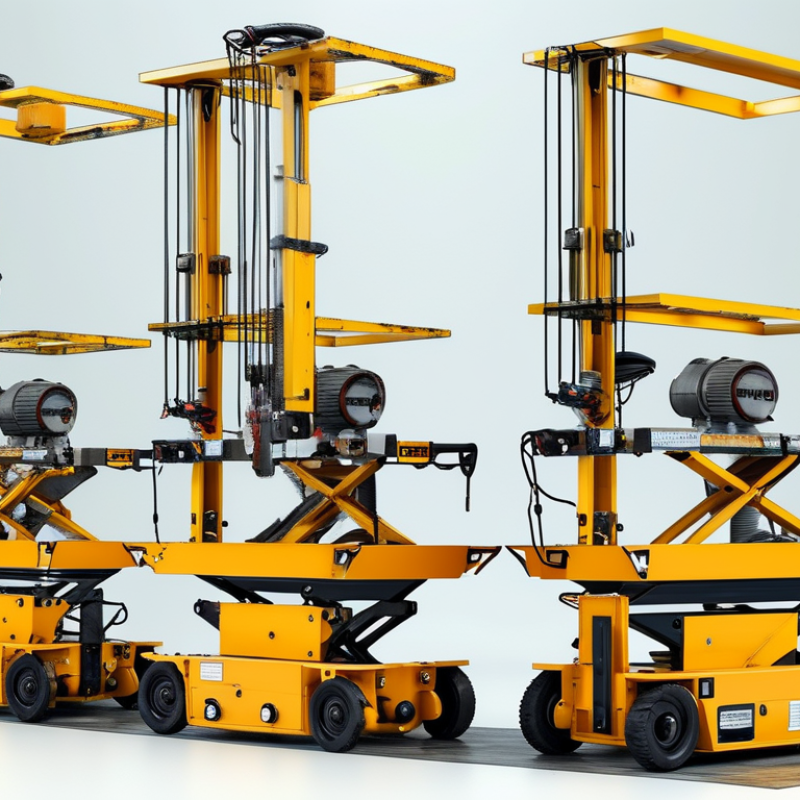
Common Causes of Oil Leaks in Hydraulic Lift Tables
Oil leaks in hydraulic lift tables can arise from several common issues. The most prevalent cause is worn seals. Over time, seals deteriorate due to exposure to pressure and temperature fluctuations. According to the National Fluid Power Association, approximately 40% of hydraulic system failures relate to seal issues. Regular inspection and timely replacement of these components are essential to prevent leaks.
Another frequent culprit is damaged hoses. A small cut or abrasion can lead to significant oil loss. The International Fluid Power Society reports that hydraulic hoses should be replaced every five years, regardless of visible wear. Neglecting this maintenance can result in unexpected failures and downtime.
Loose connections also contribute to leaks. Bolts and fittings may loosen over time, leading to inadequate sealing. Maintenance crews often overlook this aspect. It's important to routinely check all connections for tightness. Addressing these common causes can improve the reliability of hydraulic lift tables and enhance overall operational efficiency.
Identifying the Symptoms of Oil Leakage in Hydraulic Systems
Oil leakage in hydraulic lift tables can lead to significant operational issues. It's essential to identify the symptoms promptly. One common indicator is visible oil puddles beneath the hydraulic system. If you notice this, it's a clear sign that something is wrong. Another symptom is decreased lifting capability. If the table struggles to reach its intended height, oil might be escaping pressure.
Additionally, listen for unusual noises. Whining or hissing sounds during operation can suggest air in the fluid lines, likely due to leaks. Also, check for oily residue on components. This residue can indicate where the oil is leaking from, helping in pinpointing the cause. Sometimes, the seals or hoses may wear out, leading to these leaks.
Ignoring these signs can worsen the problem. Delays in addressing these issues can result in more extensive damage. Regular maintenance is crucial. It's vital to inspect and replace worn components as necessary. Staying proactive helps ensure the longevity and reliability of your hydraulic lift table.
Step-by-Step Inspection Process for Hydraulic Lift Tables
Hydraulic lift tables are essential in various industries. When they leak oil, it can disrupt workflows and indicate underlying issues. A thorough inspection can help identify and resolve the problem.
Start by checking the hydraulic fluid level. Low fluid can cause leaks and impact performance. Inspect all fittings and connections for signs of wear. Look for visible cracks or loose seals. A simple visual check can save you time and effort.
Tips: Regular maintenance is key. Inspect your lift daily for oil spots. Small leaks can escalate into major issues. Remember to keep the area around the lift clean. This prevents contaminants from entering the system. If the problem persists, consult a professional technician for an in-depth analysis.
Finally, consider the age of your lift table. Older models may require more frequent checks. Ask yourself if replacements are needed. Upgrading could be more cost-effective in the long run. Be proactive in maintaining your equipment. This ensures safety and efficiency in your operations.
Effective Solutions to Fix Oil Leaks in Hydraulic Lift Tables
Hydraulic lift tables are crucial for various applications. However, oil leaks can occur, causing operational issues. Identifying the source of the leak is the first step. Common culprits include damaged seals, loose fittings, or worn hoses. Inspect these components regularly.
To fix oil leaks, you can replace the seals or tighten fittings. Ensure that all connections are secure. If hoses are damaged, consider replacing them entirely. These actions can often restore your lift table’s functionality. Each small fix contributes to better performance.
Tips: Regular maintenance is essential. Check for leaks, wear, and tear often. Use appropriate lubricants to extend the lifespan of your hydraulic components. Additionally, cleaning around the lift table can help you detect leaks early. Keeping a maintenance log can also help you identify patterns in your equipment's performance.
Maintenance Tips to Prevent Future Oil Leaks in Hydraulic Equipment
Hydraulic lift tables rely heavily on sealed systems to operate efficiently. Regular maintenance is crucial to prevent oil leaks. According to industry reports, nearly 30% of hydraulic system failures stem from leaks, which can lead to costly downtime and repairs. Learning the maintenance best practices ensures longevity and reliability.
Routine inspections play an important role. Check hoses and seals regularly. Wear and tear can create tiny gaps, leading to leaks. Utilizing high-quality seals can reduce the likelihood of failure. It’s also beneficial to clean the area surrounding the hydraulic components. Contaminants can wear down seals faster, so keeping surfaces clean aids in maintaining system integrity.
Monitoring fluid levels is another key practice. Low fluid levels can cause air to enter the system, increasing the risk of leaks. Top off hydraulic fluid when necessary. Using the correct type of fluid is equally vital; incorrect fluids can degrade seals over time. Implementing these maintenance strategies will significantly reduce the risk of leaks, enhancing performance and promoting safer operations.
Why Is My Hydraulic Lift Table Leaking Oil Solutions?
| Issue |
Cause |
Solution |
Maintenance Tips |
| Oil Leakage from Seals |
Worn or damaged seals |
Replace seals with OEM parts |
Regularly inspect seals for wear |
| Oil Puddle under Lift |
Loose connections |
Tighten all hydraulic connections |
Check connections during maintenance |
| Slow Operation |
Insufficient oil |
Refill hydraulic oil to recommended level |
Maintain proper oil levels regularly |
| Noise from Hydraulic System |
Air in hydraulic lines |
Bleed the hydraulic system |
Schedule periodic bleeding of the system |
| Brittle or Cracked Hoses |
Aging hoses |
Replace with new hydraulic hoses |
Inspect hoses for cracks regularly |
FAQS
: Worn seals are a primary cause. They deteriorate from pressure and temperature changes over time.
Hydraulic hoses should be changed every five years, even if they appear fine.
Loose bolts and fittings can create poor sealing. This issue is often overlooked during maintenance checks.
Start by checking the hydraulic fluid level. Low levels can lead to leaks and affect performance.
Regular inspections of hoses and seals can catch wear and tear early, preventing larger problems.
Address small leaks quickly. They can escalate into major issues if ignored.
Keeping the area clean prevents contaminants from entering the system. Contaminants can wear down seals faster.
Low fluid can allow air into the system, increasing the likelihood of leaks.
Incorrect fluids can degrade seals over time, leading to potential leaks and failures.
Older models should be inspected often. They may need replacements or upgrades for better reliability.
Conclusion
If you're asking "why is my hydraulic lift table leaking oil," understanding the common causes is essential. Oil leaks can stem from worn seals, damaged hoses, or loose connections within the hydraulic system. Identifying the symptoms, such as fluid puddles or decreased lifting efficiency, can help you quickly address the issue.
A thorough inspection involves checking all components, including cylinders, fittings, and hoses. Once the source of the leak is identified, effective solutions may include replacing seals, tightening connections, or repairing damaged components. Additionally, implementing regular maintenance practices, such as checking fluid levels and inspecting the system for wear, can significantly reduce the risk of future oil leaks. By staying proactive, you can ensure your hydraulic lift table operates efficiently and safely.

 Kleen Lift