10 Essential Tips on Training Employees for Warehouse Equipment

Time:2026-06-07 Author:Amelia
0%

In today's fast-paced logistics industry, training employees on warehouse material handling equipment is crucial for operational efficiency. According to the Warehouse Education and Research Council (WERC), properly trained employees can improve productivity by up to 25%. This statistic underscores the significance of effective training programs in warehouses.

Expert Jacob Smith, a leading consultant in warehouse operations, states, "Effective training not only enhances safety but also boosts overall performance in material handling." His insight highlights the dual benefits of thorough training—safety and productivity. However, many organizations falter in their training methods, leading to costly mistakes and equipment misuse.

Believing that employees intuitively understand equipment use can be a costly oversight. Training must be comprehensive, covering not just operational techniques but also safety protocols. A structured approach can mitigate errors and enhance employee confidence. Embracing effective training techniques will ultimately equip teams with the skills they need to succeed in a demanding warehouse environment.
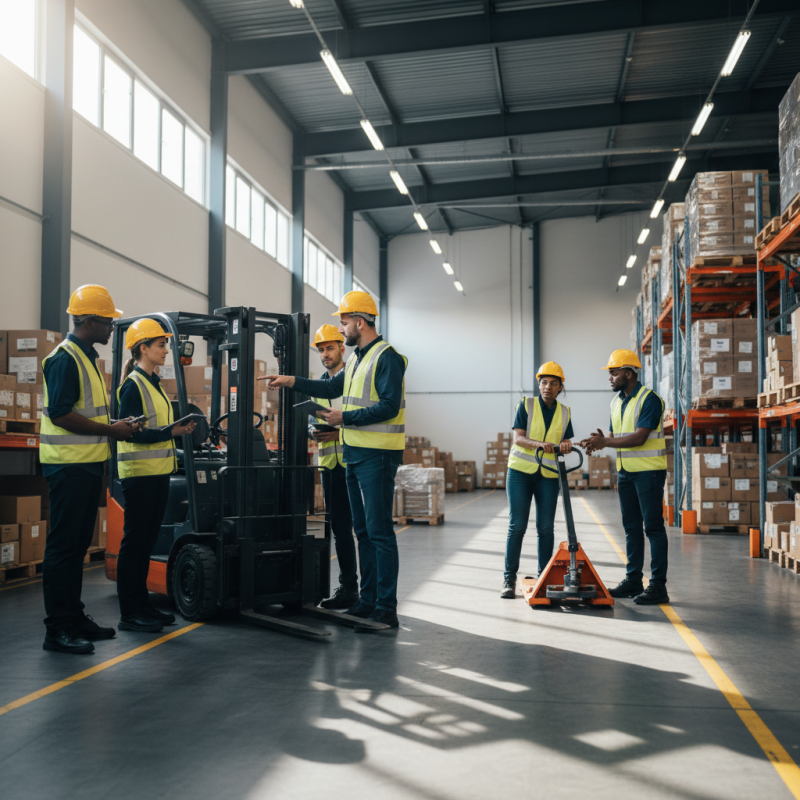
10 Essential Tips on Training Employees for Warehouse Equipment

Understanding the Importance of Training for Warehouse Equipment

Training employees for warehouse equipment is crucial for operational success. Proper training ensures safety and efficiency. Employees who understand how to operate equipment reduce the risk of accidents. Incidents can lead to costly downtime. Investing in training pays off over time.

Hands-on training is vital. Employees should practice on real machines, under safe conditions. Watching videos is not enough. Trainees should feel comfortable using the equipment before confronting real tasks. Real-life scenarios can reveal gaps in knowledge.

Continuous education is necessary too. Employees may need refresher courses. Regular assessments can identify weaknesses. Feedback can promote a culture of learning. Mistakes happen, but they also provide valuable lessons. Emphasizing the importance of training creates a safer workplace. Engaged employees tend to perform their tasks better, contributing to overall productivity.

Identifying Key Warehouse Equipment and Their Operational Risks

When it comes to warehouse operations, identifying key equipment is crucial. Common items include forklifts, pallet jacks, and conveyor belts. Each piece serves a unique purpose. However, improper use can lead to significant risks. According to the Occupational Safety and Health Administration (OSHA), material handling is one of the leading causes of workplace injuries.

Forklifts are essential but pose a danger when operated incorrectly. Training employees on load limits and pedestrian safety is vital. A report from the National Safety Council indicates that forklift accidents account for nearly 100 fatalities annually. Employees may overlook basic safety checks, resulting in equipment failure.

Pallet jacks may seem straightforward, but they also carry risks. Improper lifting techniques can cause musculoskeletal injuries. Employees must understand how to maneuver safely. Conveyor belts require attention as well. Loose clothing can become snagged, leading to serious injuries. Continuous training should address these issues. Engaging employees in regular safety workshops can reinforce the importance of these protocols. Ignoring these risks not only threatens employee safety but can also impact overall warehouse efficiency.

10 Essential Tips on Training Employees for Warehouse Equipment - Identifying Key Warehouse Equipment and Their Operational Risks

Equipment Type Training Focus Operational Risks Safety Measures
Forklift Load handling techniques Tip-over, collisions Proper load distribution, visibility protocols
Pallet Jack Maneuvering skills Pinch points, overloading Regular inspections, weight limits awareness
Reach Truck Height operation Falling objects Load securing practices, zone awareness
Conveyor Belt Loading/unloading techniques Entanglement hazards Emergency stop procedures, guarding
Scissor Lift Elevating and lowering Fall from height Harness use, stability checks

Designing an Effective Training Program for Warehouse Employees

Designing an effective training program for warehouse employees requires careful planning. The foundation should focus on hands-on experience. Workers learn best by operating the equipment directly. Simulations can create a safe environment for practice. Using real-life scenarios can also enhance understanding. This approach promotes confidence and competence.

Another crucial aspect is feedback. Employees need to know what they excel at and where they struggle. Regular assessments can identify gaps in knowledge. Encourage an open dialogue. Employees should feel comfortable asking questions. This builds a culture of continuous improvement. Also, consider varying training methods. Some may struggle with traditional teaching methods. Visual aids, videos, and on-the-job coaching can cater to diverse learning styles.

It’s important to review the program regularly. Analyze its effectiveness over time. Training should evolve with new equipment and techniques. Seek input from employees. Their insights can highlight areas for growth. Incorporating their feedback ensures the program remains relevant and impactful. Adjustments may be necessary, but the goal is a safe and efficient workplace.

Utilizing Hands-On Training to Enhance Equipment Familiarity

When it comes to training employees on warehouse equipment, hands-on training is essential. Research shows that approximately 70% of learning occurs through experiential means. Engaging with equipment directly boosts employee confidence and understanding. This approach minimizes errors that can occur during operations.

Employers should design training sessions that allow new hires to operate equipment under supervision. For example, using pallet jacks and forklifts in a controlled environment helps solidify their skills. Here are a couple of tips to enhance effectiveness:

Encourage employees to ask questions. This fosters an open learning environment. It also ensures they fully understand safety protocols and equipment operation.

Incorporate simulations that mimic real-life scenarios. This technique prepares employees for unique challenges they may face. Direct experience leaves a lasting impact, but be mindful of skill assessments.

Understanding equipment becomes a shared responsibility. Frequent feedback is crucial for improvement. Reflecting on mistakes can guide further training efforts. Preparing employees this way enhances overall productivity and safety.

Implementing Safety Protocols and Regular Evaluation for Ongoing Training

Training employees for warehouse equipment is crucial. Implementing safety protocols is a vital part of this process. Employees must understand the importance of wearing protective gear. Gear should be checked for wear and tear regularly. This ensures safety in the workplace.

Regular evaluations of training can help identify knowledge gaps. Observing employees during equipment operation is key. Document any unsafe practices and provide immediate feedback. This method allows trainers to address issues swiftly.

Consider rotating the responsibilities among staff. This diversification helps employees gain a broader understanding. They may develop skills in unexpected areas. Effective training goes beyond initial onboarding. Continuous learning should be a priority in warehouse settings. Regular refresher courses can reinforce essential practices. It's a learning journey, not just an obligation.

Warehouse Equipment Training Performance Evaluation

FAQS

: Why is training for warehouse equipment important?

: Training ensures safety and efficiency, reducing accident risks and costly downtime.

How should training be conducted?

Hands-on practice with real machines is vital for effective learning.

What types of equipment need training?

Key equipment includes forklifts, pallet jacks, and conveyor belts, each carrying unique risks.

What are the risks of improper forklift use?

Improper use can lead to serious injuries and nearly 100 fatalities annually.

How can employees gain a broader understanding of their tasks?

Rotating responsibilities among staff helps them develop diverse skills.

Why is continuous education necessary?

Regular refresher courses identify weaknesses and reinforce essential practices.

How can safety protocols be implemented effectively?

Ensuring employees wear protective gear and regularly check equipment wear is essential.

What can managers do to improve training?

Observing employees during operations allows for immediate feedback on unsafe practices.

How can mistakes during training be viewed?

Mistakes provide valuable lessons and should be seen as part of the learning process.

Why is engagement important in training?

Engaged employees perform better and contribute to overall warehouse productivity.

Conclusion

Training employees on warehouse material handling equipment is crucial for enhancing safety and efficiency in warehouse operations. Understanding the importance of training helps organizations minimize operational risks associated with various equipment. By identifying key warehouse equipment and their specific operational risks, employers can tailor training initiatives to address these challenges effectively.

Designing an effective training program involves a combination of theoretical knowledge and hands-on experience. Utilizing hands-on training allows employees to become familiar with equipment and practice safe operation techniques. Additionally, implementing safety protocols and conducting regular evaluations ensures ongoing training and reinforces employees' skills, ultimately leading to a more skilled and safety-conscious workforce in the warehouse environment.

Amelia

Amelia

Amelia is a seasoned marketing professional with a wealth of expertise in our company’s core offerings. With an unwavering passion for driving growth and innovation, she plays a pivotal role in shaping our marketing strategies and enhancing brand visibility. A key aspect of her responsibilities......