10 Essential Tips for Safely Installing a Mezzanine Cargo Lift?

Time:2026-09-01 Author:Isabella
0%

Installing a mezzanine cargo lift requires careful consideration and planning. Knowing how to install a mezzanine cargo lift safely is crucial for ensuring operational efficiency and worker safety. A mezzanine lift can increase storage capacity and streamline logistics. However, improper installation can lead to serious accidents and costly downtime.

Experts recommend assessing the lift’s specifications before installation. Understand your building’s load capacity and structural integrity. Consult with engineers to ensure compliance with safety standards. This diligence is vital; overlooking these details might result in unforeseen hazards.

Moreover, ensure that all installation procedures are documented and that your team is properly trained. Even minor mistakes in installation can have significant consequences. Emphasizing continuous safety training and precautions is essential. After all, safety should always be the top priority when working with industrial equipment.
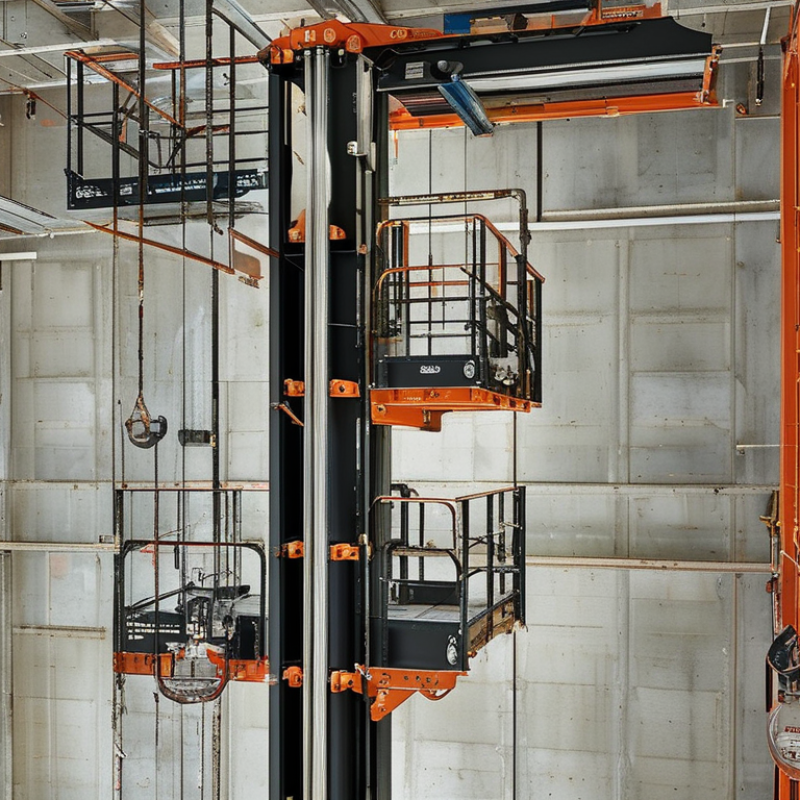
10 Essential Tips for Safely Installing a Mezzanine Cargo Lift?

Understanding Mezzanine Cargo Lifts: Types and Features

Mezzanine cargo lifts are vital for maximizing vertical space in warehouses and industrial settings. Understanding their types and features helps in choosing the right lift. Common types include hydraulic, electric, and pneumatic lifts. Hydraulic lifts are known for heavy loads and precise control. They often require less maintenance than other types. Electric lifts offer speed and efficiency for lighter loads. Pneumatic lifts are versatile and suitable for various environments, including food processing units.

Key features to consider include load capacity, lift speed, and safety mechanisms. Load capacity varies significantly; knowing your requirements ensures optimal performance. Speed impacts workflow efficiency. For instance, a slow lift may hinder operations during peak hours. Safety mechanisms, like emergency stops and overload sensors, are essential. They protect both the cargo and personnel. It's crucial to assess the installation area, ceiling height, and available power supply. These factors can complicate installation if overlooked. A well-planned installation minimizes future challenges and enhances operational reliability.

Mezzanine Cargo Lift Safety Installation Tips

Preparing for Installation: Site Assessment and Space Planning

Preparing for installation of a mezzanine cargo lift involves a thorough site assessment and effective space planning. It's crucial to evaluate the area where the lift will be installed. According to industry standards, at least 15% of the vertical space should be dedicated to operational clearance. This ensures smooth lift function and minimizes operational hazards. However, many facilities underestimate this requirement, potentially leading to costly adjustments post-installation.

Additionally, space planning is vital to optimize workflow efficiency. Studies reveal that poorly planned loading areas can reduce productivity by up to 30%. Consider the layout of your existing infrastructure. Will the lift impede movement? Assess nearby shelving or equipment placement as part of your preparation. Ensuring adequate space for anticipated foot traffic is essential. Ignoring this can complicate operations, causing delays and frustration among the workforce.

Furthermore, consult with a professional to evaluate your findings. Having expert insights can help identify potential pitfalls. Integrate feedback from your team, as they understand the operational nuances best. Their input may reveal overlooked factors, such as equipment size or loading frequency. Inadequate planning may not show immediate consequences but can lead to long-term inefficiencies. Create a detailed plan to avoid these common mistakes, ensuring a successful lift installation.

Essential Safety Standards and Regulations for Cargo Lifts

When installing a mezzanine cargo lift, safety standards are paramount. Compliance with local regulations is not just a formality; it is crucial for accident prevention. Inspect the installation site for structural integrity before beginning the process. Adequate support is vital for carrying heavy loads. The lift must meet the necessary weight limits. Not adhering to these could lead to catastrophic failures.

Regular maintenance checks are essential to ensure the safety of the cargo lift. Schedule inspections for wear and tear on crucial components. This includes cables, brakes, and the control system. Operators should be trained on safety protocols. Knowing how to respond to emergencies minimizes risks.

Documentation is also key. Keep records of all inspections and maintenance work. This provides accountability and ensures compliance with safety regulations. It’s important to reflect on past incidents to improve safety measures. Understanding previous mistakes can help in developing better practices. While aiming for perfect safety, recognize that flaws exist, and continual improvement is necessary.

Step-by-Step Installation Process for Mezzanine Cargo Lifts

Installing a mezzanine cargo lift can seem daunting. It requires careful planning and execution. Start by reviewing local codes and regulations. Ensure that the lift meets safety standards for both design and materials. Each installation site is unique, which means adapting your approach to specific circumstances. Consider conducting a site survey to identify challenges like space constraints or structural integrity.

Before installation, gather essential tools. You will need standard equipment like drills and wrenches. Ensure that you have support beams and anchoring materials ready. This preparation minimizes delays during the actual installation. As you begin the process, communicate clearly with all team members. Misunderstandings can lead to mistakes that might compromise safety.

While following the steps, remember that precision is key. Each measurement must be accurate. Allow time for rechecking your work. Mistakes can lead to increased costs or hazardous situations. Document your progress and any issues. This record will guide future maintenance. Embrace the learning experience; every installation brings new insights.

Maintenance Tips for Ensuring Long-Term Safety and Functionality

Regular maintenance is crucial for mezzanine cargo lifts. Over 25% of lift-related accidents are linked to poor upkeep. Routine checks ensure safety features function properly. Inspect the lift's electrical systems at least once a month. Clean the lift's components to prevent dust accumulation. This simple step can extend the equipment's lifespan significantly.

Lubrication is another vital aspect of maintenance. Seventy percent of machinery failures arise from inadequate lubrication. Focus on bearings and pivot points. Regularly applying lubricant reduces friction and wear. Keep a log of your maintenance activities. Doing so not only tracks service but also highlights patterns that could indicate deeper issues.

Training staff on operational procedures is key. Well-informed employees are less likely to overlook critical safety checks. Observing safety protocols can decrease risks significantly. Consider regular workshops to address any maintenance shortcomings. Improving staff knowledge fosters a culture of safety. Regular assessment can lead to ongoing improvements in lift functionality and workplace safety.

FAQS

: What types of mezzanine cargo lifts are available?

: Common types include hydraulic, electric, and pneumatic lifts. Each serves different needs.

How do I choose the right lift for my warehouse?

Consider factors like load capacity, lift speed, and safety mechanisms. Each factor impacts performance.

What safety standards should I follow?

Compliance with local regulations is crucial. Inspect structural integrity before installation for safety.

How often should cargo lifts be maintained?

Schedule regular inspections to check wear on cables, brakes, and control systems. It ensures safety.

What tools do I need for installation?

Essential tools include drills, wrenches, support beams, and anchoring materials. Gather everything ahead of time.

Why is documentation important during installation?

Keeping records of inspections and maintenance helps with accountability and ensures compliance with regulations.

What common mistakes should I avoid during installation?

Misunderstandings and inaccurate measurements can lead to mistakes. Precision and communication are vital.

How can I improve safety protocols?

Reflect on past incidents and learn from mistakes. Continuous improvement is necessary for better practices.

What challenges could affect the installation process?

Each site may have space constraints or structural issues. Conduct a site survey to identify potential challenges.

Conclusion

Installing a mezzanine cargo lift requires careful planning and adherence to safety standards to ensure both proper functionality and long-term performance. This article provides essential tips on how to install a mezzanine cargo lift safely, beginning with an understanding of different types of cargo lifts and their features. A thorough site assessment and space planning are crucial to prepare the installation site effectively.

Furthermore, compliance with safety standards and regulations is highlighted as a critical aspect of the installation process. The article details a step-by-step guide for the installation itself, ensuring that all safety protocols are followed. Lastly, it emphasizes the importance of ongoing maintenance tips to preserve the lift's safety and functionality over time, guaranteeing that it serves its intended purpose effectively.

Isabella

Isabella

Isabella is a dedicated marketing professional with a sharp focus on driving brand growth and engagement through strategic content creation. With an extensive background in digital marketing, she combines her passion for storytelling with her keen understanding of industry trends to deliver......