Understanding hydraulic cylinders is crucial for buyers in various industries. What are the common causes of hydraulic cylinder failure? This question has been explored by industry expert Dr. Emily Thompson, who states, "Most failures stem from improper maintenance and harsh operating conditions."
Hydraulic cylinders play a vital role in machinery. When they fail, it can lead to downtime and costly repairs. Issues like contamination of hydraulic fluid and inadequate lubrication frequently arise. Dr. Thompson highlights that even small contaminants can wreak havoc on a cylinder's performance.
Additionally, improper installation often leads to misalignment. This can result in excessive wear and ultimately a broken cylinder. These failures often reflect a lack of attention to detail in the operating environment. Buyers must consider these factors to prevent significant problems in their operations. A proactive approach can help mitigate these risks.
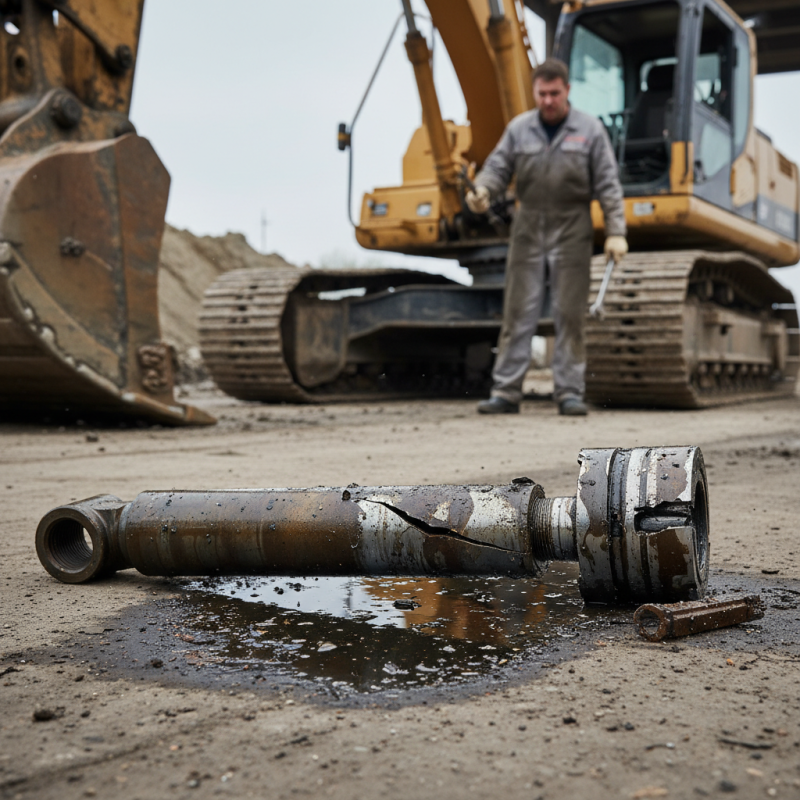
Hydraulic cylinders are essential in various machinery. However, they can fail due to mechanical issues. One common failure is internal leakage. When seals wear out or degrade, hydraulic fluid can escape. This reduces efficiency and can lead to greater damage.
Another frequent problem is misalignment. If parts of the hydraulic cylinder are not in the correct position, forces can become uneven. This can cause excessive wear. Over time, it may lead to catastrophic failure. Regular maintenance checks are crucial to prevent this.
Additionally, improper installation can lead to mechanical failures. If a cylinder is not fitted correctly, it can bind and operate inefficiently. Even minor errors during installation can have significant consequences later. It's important for buyers to understand these issues to ensure reliable operation.
Contamination is a leading cause of hydraulic cylinder failures. Dust, dirt, and water can seep into hydraulic systems, creating serious problems. These contaminants can erode seals and cause corrosion. Hydraulic fluids are meant to be clean, but the environment often puts them at risk.
Proper maintenance is crucial. Regularly check and replace filters. Monitoring the fluid's clarity can prevent many issues. Even small particles can disrupt performance and lead to costly repairs. It's surprising how often contamination goes unnoticed until it’s too late.
Cleaning and handling the components during installation is critical. Using the right tools and cleanliness practices can extend the cylinder's lifespan. Every technician should be aware of the risks associated with contamination. A simple oversight can lead to significant failures. Understanding these factors is essential for all users of hydraulic systems.
Misalignment can severely impact the performance and longevity of hydraulic cylinders. When components fail to align correctly, excessive wear occurs. This can lead to leaks and eventual failures. For example, a hydraulic cylinder not properly aligned may experience uneven pressure distribution. This uneven load can escalate wear on seals and bearings. Over time, misalignment can lead to catastrophic failure, necessitating costly repairs or replacements.
In addition to wear, misalignment can hinder efficiency. A hydraulic cylinder requires precision for optimal operation. Misaligned components can create resistance, consuming more energy than necessary. Operators might overlook signs of misalignment until it’s too late. Regular inspections are essential to catch these problems early. Small adjustments can lead to significant improvements in performance and lifespan.
Furthermore, users should seek to understand the installation process. Proper training for operators can mitigate alignment issues. Many failures occur due to human error during installation or maintenance. It's important to cultivate a culture of diligence and attention to detail. Reflecting on past incidents can provide valuable lessons. By committing to best practices, the impact of misalignment can be minimized.
| Failure Cause | Impact on Performance | Impact on Longevity |
|---|---|---|
| Misalignment | Causes uneven wear and increased friction | Significantly reduces lifespan of the cylinder |
| Contaminated Hydraulic Fluid | Leads to reduced efficiency and potential damage | Shortens operational life due to component wear |
| Overloading | Causes increased stress and potential failure | Drastically reduces service life |
| Improper Installation | Can lead to erratic operation and failure | May shorten operational lifespan |
| Temperature Fluctuations | Affects fluid viscosity and performance | Can lead to premature component failure |
Fluid temperature plays a crucial role in hydraulic cylinder operation. High temperatures can lead to fluid degradation. This affects the lubricating properties of the hydraulic fluid. If the fluid becomes less effective, it can result in increased wear and tear on cylinder components. Over time, this can cause failure.
Conversely, low temperatures also create issues. Viscosity increases, making it difficult for fluids to flow. Hydraulic cylinders can respond sluggishly due to thickened fluid. This delayed response impacts the overall performance of the machinery. Operators must monitor temperature ranges diligently.
Tip: Regularly check the hydraulic fluid temperature. Implement a temperature monitoring system if you do not have one.
It’s vital to choose the right hydraulic fluid. Some fluids perform better in varying temperature ranges. Temperature fluctuations can be harsh on hydraulic systems. When in doubt, consult with a fluid specialist to ensure the best fit for your equipment.
Tip: Keep a log of temperature readings. This data can help identify trends and potential issues.
Hydraulic cylinders are critical in various industries. Their durability relies heavily on material integrity. Over time, components experience wear and tear, compromising performance. According to industry reports, over 30% of hydraulic cylinder failures result from material degradation. This wear can lead to leaks and system inefficiencies.
Material wear often stems from friction and corrosion. Poor maintenance habits contribute to this degradation. A study showed that inadequate lubrication can increase wear rates by 15%. Additionally, environmental factors such as temperature and humidity play a role. Hydraulic fluid viscosity changes with temperature, affecting cylinder performance.
Identifying wear patterns early is essential. Regular inspections can reveal surface damage, helping to prevent catastrophic failures. Many operators overlook this crucial aspect, often focusing more on immediate performance than long-term reliability. Neglecting these checks can lead to increased downtime, ultimately raising operational costs. Simple practices can significantly enhance the lifespan of hydraulic cylinders.
: Internal leakage often happens when seals wear out. This leads to hydraulic fluid escaping, reducing efficiency.
Misalignment causes uneven forces on cylinder parts. This can lead to excessive wear and possible catastrophic failure.
Improper installation can cause binding and inefficient operation. Even small mistakes can lead to significant operational problems.
Fluid temperature impacts the lubricating properties of hydraulic fluid. High temperatures degrade fluid; low temperatures increase viscosity.
Degraded fluid can lead to increased wear on cylinder components. Over time, this wear may cause hydraulic cylinder failure.
Low temperatures thicken fluid, making it difficult to flow. This sluggish response can harm overall machinery performance.
Operators must diligently monitor fluid temperatures. Implementing a monitoring system can prevent unexpected failures.
It's vital to select fluid that performs well at various temperature ranges. Consulting a fluid specialist is advisable.
Keeping a log of temperature readings can help identify trends. This data may reveal potential issues before they escalate.
Ignoring temperature changes can lead to serious system problems. Operators should regularly check and address these fluctuations.
Hydraulic cylinders are critical components in many industrial applications, but their performance can be compromised by various issues. Understanding what are the common causes of hydraulic cylinder failure is essential for buyers looking to ensure the reliability and longevity of their equipment. Common mechanical failures, including seal degradation and structural defects, can lead to significant malfunctions. Additionally, contamination of hydraulic fluid is a prevalent issue that results in reduced performance and increased wear.
Misalignment is another critical factor affecting hydraulic cylinder operation, as it can put undue stress on the components, leading to premature failure. Fluid temperature plays a significant role in both operational efficiency and material integrity, making it vital to monitor and control. Finally, the effects of material wear and tear must be considered, as they greatly influence the reliability of hydraulic cylinders over time. By recognizing these key factors, buyers can better safeguard their investments and enhance the operational lifespan of hydraulic systems.

Kleen Lift