In today’s competitive warehouse industry, the choice between electric and diesel lifts is crucial. Many warehouse managers ask, "why are electric lifts better than diesel for warehouses?" The answer lies in several key factors that influence efficiency, safety, and cost-effectiveness.
Electric lifts offer quiet operation and zero emissions, promoting a healthier work environment. Diesel lifts, while powerful, can release harmful fumes. This could lead to long-term health issues for workers. Additionally, maintenance costs for diesel engines are often higher due to their complexity. In contrast, electric lifts need fewer parts and lower routine maintenance, saving companies money.
Moreover, the use of electric lifts often translates to better energy efficiency. They can significantly reduce operating costs. However, some may argue about charging times and battery replacement. These are valid concerns but can often be managed with proper planning. Evaluating these aspects helps make an informed decision, ensuring the lift choice aligns with sustainability goals and operational needs.
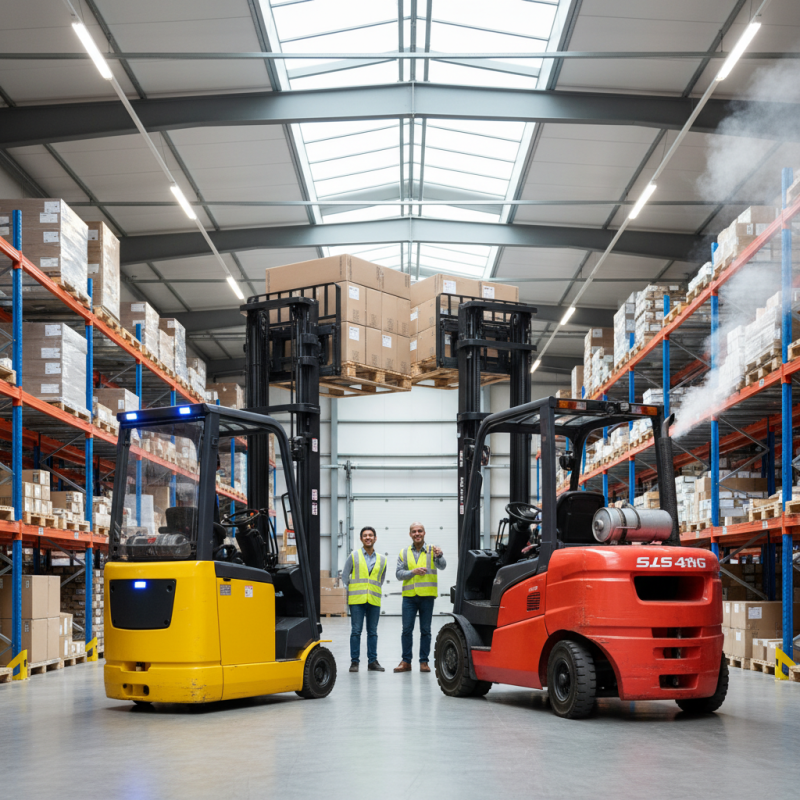
Benefits of Electric Lifts Compared to Diesel Lifts in Warehouses
When considering electric lifts over diesel lifts for your warehouse, you'll find several key benefits. Electric lifts produce zero emissions, making them safer for indoor environments. This is especially important in warehouses where workers are present for long hours. Additionally, electric lifts are quieter, reducing noise pollution. This can create a more pleasant work atmosphere.
Maintenance is another aspect where electric lifts shine. They typically require less frequent servicing than diesel options. This can lead to lower overall operational costs. Electric lifts also offer better energy efficiency, using less power for the same amount of work. This results in significant savings over time.
Tips: Focus on your warehouse's layout. Electric lifts perform well in tighter spaces. Evaluate your lifting needs. Consider weight capacity and lift height. Think about future expansion. Electric models can adapt more easily to changing demands. Always conduct thorough research before making a decision.
Environmental Impact of Using Electric Lifts in Warehouse Operations
Electric lifts are gaining traction in warehouse operations due to their lower environmental impact. They produce zero emissions during use, unlike diesel lifts, which release harmful pollutants. This switch helps create healthier work environments for employees. Reduced air pollution can lead to fewer respiratory issues, benefiting overall employee wellness.
Moreover, electric lifts often operate more quietly. This can reduce noise pollution in warehouses, creating a more pleasant work atmosphere. However, the initial investment in electric lifts can be higher. Companies must consider their long-term sustainability goals versus short-term expenses. Choosing electric lifts might seem challenging at first, yet the environmental benefits are considerable.
Transitioning to electric lifts also encourages the adoption of renewable energy sources. Charging electric lifts with solar energy can further decrease carbon footprints. Yet, it requires thoughtful planning and research. Many facilities may need to upgrade their infrastructure for charging stations. Balancing these needs is essential for maximizing environmental benefits.
Cost Analysis: Long-Term Savings with Electric Lifts Over Diesel Options
Choosing electric lifts for your warehouse can lead to significant long-term savings. Studies indicate that electric lifts can reduce operating costs by up to 60% compared to diesel options. These savings primarily stem from lower energy costs, reduced maintenance needs, and longer lifespan of electric batteries. According to a recent industry report, electric lifts average between $0.10 to $0.15 per hour to operate, while diesel lifts can cost over $0.50 per hour. This stark difference highlights the financial benefits of electric equipment.
Tips: Consider the charging infrastructure. Assess whether your warehouse can accommodate charging stations. Also, take into account the downtime for charging versus refueling diesel equipment. Electric lifts typically need less downtime for maintenance. Many companies find they recoup their investment within just two to three years.
Electric lifts also produce no emissions, a vital factor for indoor environments. Enhanced air quality leads to better employee productivity. However, initial purchase prices for electric lifts might be higher. This upfront cost can be a concern. Yet, the long-term savings on fuel and maintenance often outweigh these initial expenses. Therefore, calculating the total cost of ownership is essential for informed decision-making.
Performance Efficiency: A Comparison of Electric and Diesel Lifts
When selecting lifts for your warehouse, performance efficiency is crucial. Electric lifts often outperform diesel ones in several key areas. They are more energy-efficient, converting a higher percentage of energy into lifting power. This not only reduces costs but also lessens your carbon footprint. Electric lifts are typically quieter, affecting the overall workplace environment positively.
However, there are downsides. Electric lifts have limited battery life, requiring regular charging. This can lead to downtime, affecting productivity. In contrast, diesel lifts provide continuous operation with quick refueling but at a higher cost and environmental impact. Maintenance costs may also vary; electric lifts can incur expenses for battery replacement over time.
Considering your warehouse's specific needs is essential. Evaluate usage frequency and weight requirements thoroughly. The choice between electric and diesel lifts hinges on balancing efficiency and operational demands. Reflect on these factors before making a decision.
How to Choose Electric Lifts Over Diesel for Your Warehouse? - Performance Efficiency: A Comparison of Electric and Diesel Lifts
| Feature |
Electric Lifts |
Diesel Lifts |
| Initial Cost |
Higher |
Lower |
| Operating Cost |
Lower |
Higher |
| Maintenance |
Less frequent |
More frequent |
| Environmental Impact |
Minimal emissions |
Higher emissions |
| Noise Level |
Quieter |
Louder |
| Suitability for Indoor Use |
Ideal |
Not suitable |
| Battery Lifespan |
3-5 years |
N/A |
Maintenance Considerations for Electric Lifts in Warehouse Settings
Electric lifts are becoming increasingly popular in warehouse environments. Their maintenance, however, requires careful consideration. Reports suggest that electric lifts can reduce maintenance costs by up to 30% compared to diesel models. This is largely due to fewer moving parts and less frequent oil changes. Electric lifts typically require battery maintenance, which can sometimes be overlooked. Regular battery checks ensure optimal performance and longevity.
Another critical aspect is the need for proper charging infrastructure. Inadequate charging stations can lead to downtime, which hinders productivity. A study revealed that 15% of warehouse operators faced disruptions due to insufficient battery management. It is essential to train staff in maintaining both the lifts and charging systems. This not only improves safety but also enhances the operational efficiency of electric lifts.
In reality, many warehouses still struggle with the transition from diesel to electric. Issues with battery life and charging cycles can create uncertainty for operators. Reflecting on these challenges is vital when considering electric lifts. While they present numerous advantages, it is essential to acknowledge potential obstacles in maintenance practices. Embracing a proactive maintenance strategy can bridge the gap between operational efficiency and equipment reliability.
FAQS
: Electric lifts produce zero emissions, reducing air pollution and creating healthier work environments for employees.
Electric lifts are often more energy-efficient and quieter than diesel lifts, benefiting the workplace atmosphere.
The initial investment can be higher, and electric lifts have limited battery life, requiring regular charging and can lead to downtime.
Yes, charging electric lifts with renewable energy sources like solar can further lower carbon footprints.
Electric lifts may incur costs for battery replacements over time, while diesel lifts have higher operational costs.
Companies should evaluate usage frequency and weight requirements to balance efficiency and operational demands effectively.
They might not be ideal for facilities needing continuous operation without downtime.
Not necessarily; initial costs can be higher, and maintenance expenses must be factored in.
Using electric lifts can help reduce noise levels, creating a more pleasant working environment.
Yes, many facilities may need to enhance their infrastructure for charging stations.
Conclusion
Electric lifts present several advantages over diesel lifts for warehouse operations, which raises the question: why are electric lifts better than diesel for warehouses? Firstly, electric lifts offer significant environmental benefits, as they produce zero emissions during operation, contributing to a cleaner and healthier work environment. This aligns with increasing sustainability goals that many companies aim to achieve.
Additionally, from a cost perspective, electric lifts tend to provide long-term savings. Although the initial investment may be higher, lower energy costs and reduced maintenance expenses lead to improved overall efficiency. Performance-wise, electric lifts often demonstrate superior operation in terms of speed and precision, making them ideal for busy warehouse environments. Maintenance is also less demanding compared to diesel counterparts, requiring fewer resources and downtime. Ultimately, these factors illustrate why electric lifts are preferred for modern warehouse settings.

 Kleen Lift