Noise from a cargo lift rarely comes from one part alone. A low motor hum, rattling guide shoes, and a sharp door impact can combine into a persistent workplace nuisance. The sound may change when the car is empty, fully loaded, or stopping on another floor. That variability makes a quick listen useful, but not enough.
To understand how to reduce noise levels in industrial cargo lifts, start with measured sound levels and operating conditions. NIOSH’s Criteria for a Recommended Standard: Occupational Noise Exposure recommends an exposure limit of 85 dBA over eight hours. OSHA’s 29 CFR 1910.95 sets an 85 dBA action level and a 90 dBA permissible exposure limit for an eight-hour shift. These are worker-exposure benchmarks, not lift-specific noise limits. That distinction matters. A reading beside the lift may differ from a worker’s daily exposure, especially in reverberant loading bays.
This guide examines practical sources and controls, from worn rollers and loose panels to misaligned doors, poorly isolated motors, and hard floor surfaces. It also explains why maintenance, vibration checks, and repeatable sound measurements should come before speculative upgrades. A quieter lift is not always a safer lift if a warning signal becomes difficult to hear. And one measurement can mislead. Real operating conditions deserve a closer look.
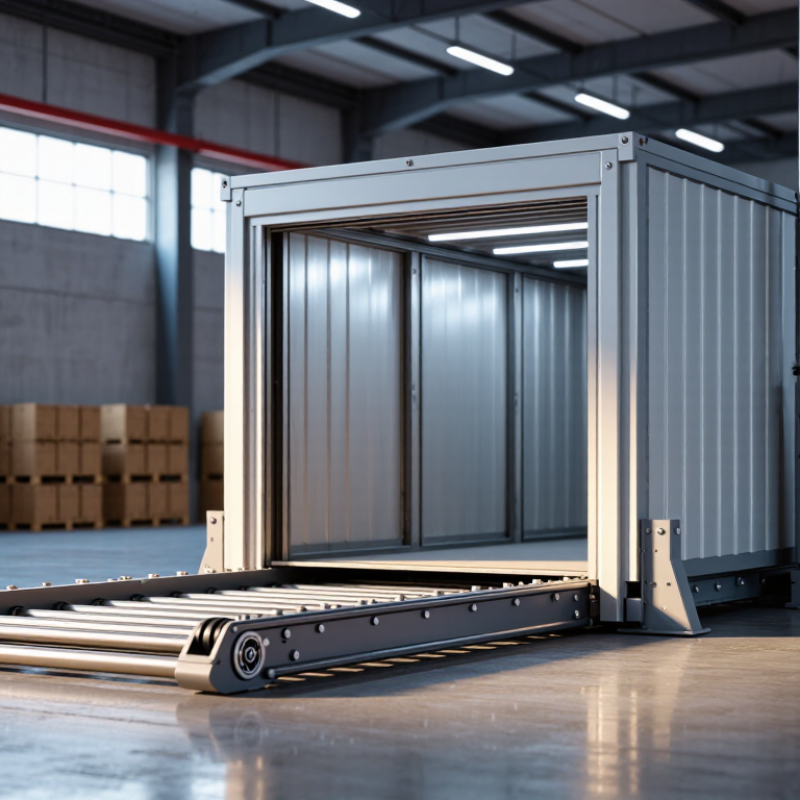
Reducing cargo-lift noise starts with a repeatable measurement, not guesswork. ISO 18738-1:2012 describes procedures for measuring and reporting lift ride quality, including vibration and sound. Record the lift’s load, travel direction, speed, and operating condition for each test. Use the same measurement setup on repeated runs. Small changes matter.
Measure during a normal journey, while noting background noise from fans, nearby machinery, and door operation. A microphone and vibration sensor can help distinguish a car-panel rattle from noise transmitted through the shaft. A single loud clank can mislead. Compare runs at the same locations and operating stages, then inspect doors, guides, rollers, and loose panels where peaks occur. ISO provides a measurement method, not a universal pass-or-fail noise limit.
For worker exposure context, the U.S. National Institute for Occupational Safety and Health’s 1998 Criteria for a Recommended Standard: Occupational Noise Exposure recommends limiting exposure to 85 dBA over eight hours, using a 3 dB exchange rate. This is an exposure benchmark, not a cargo-lift ride-noise threshold. Keep that distinction clear. Real sites are messy, and background sound can skew results; repeat testing under documented conditions before choosing repairs.
To assess cargo-lift noise, compare a worker’s full-shift exposure with NIOSH’s recommended exposure limit, not a single loud moment. NIOSH’s 1998 Criteria for a Recommended Standard sets an 85 dBA, eight-hour average and uses a 3-dB exchange rate. At 88 dBA, the recommended exposure time falls to four hours; at 91 dBA, it falls to two. A personal noise dosimeter worn during real loading cycles can capture lift travel, door impacts, and waiting periods. A handheld reading at an empty lift may miss the busiest, noisiest conditions. For context, OSHA’s 29 CFR 1910.95 uses a 90 dBA, eight-hour permissible exposure limit and a 5-dB exchange rate. These are different benchmarks, not proof that exposure below either number is harmless.
Noise reduction should target the source before relying on hearing protection. Check rollers, guides, brakes, and fasteners for wear or looseness; rattling panels and metal-on-metal impacts can add sharp bursts. Maintenance, vibration isolation, and sound-absorbing treatment around the drive system may help, provided they do not block ventilation or safety signals. Repeat dosimeter measurements after changes, using similar loads and operating cycles. One imperfect part of this process is consistency: shift patterns and cargo weights vary, so a single “before and after” comparison can mislead. NIOSH’s 1998 guidance treats exposure as a dose over time, making representative measurements essential.
| Exposure scenario | Lift-area noise assumption | Lift exposure per shift | Other work-period assumption | Estimated 8-hour exposure | Comparison with NIOSH REL | Practical noise-reduction measure |
|---|---|---|---|---|---|---|
| Baseline example | 91 dBA | 2 hours | 80 dBA for the remaining 6 hours | About 85.9 dBA | Above the 85 dBA REL | Identify the loudest lift components and tasks; use a personal noise dosimeter to confirm the worker’s full-shift exposure. |
| After equipment maintenance | Illustrative target: 88 dBA | 2 hours | 80 dBA for the remaining 6 hours | About 83.7 dBA | Below the REL in this modeled example | Inspect and maintain rollers, guides, bearings, brakes, and other moving parts; correct looseness, wear, or misalignment that may create excess noise. |
| After additional engineering controls | Illustrative target: 85 dBA | 2 hours | 80 dBA for the remaining 6 hours | About 81.9 dBA | Below the REL in this modeled example | Where compatible with lift safety and ventilation, evaluate vibration isolation, damping, or an acoustic barrier around the noise source. |
| Reduced time near a noisy lift | 91 dBA | 1 hour | 80 dBA for the remaining 7 hours | About 83.9 dBA | Below the REL in this modeled example | Use scheduling or remote operation to reduce time in high-noise areas, while prioritizing feasible engineering controls at the source. |
Basis and limitations: NIOSH’s recommended exposure limit (REL) is 85 dBA as an 8-hour time-weighted average, using a 3 dB exchange rate. Scenario values are illustrative calculations, not actual cargo-lift measurements or guaranteed control results. Estimates assume steady noise levels during each listed period; verify workplace exposure with appropriate measurements, preferably personal dosimetry. Hearing protection may be needed as an interim or supplementary measure, but does not replace noise control at the source.
Cargo-lift noise is easier to diagnose when you note when it occurs. A low hum during travel may point to a drive issue, while a sharp squeal near a stop can indicate brake wear or adjustment. Record whether the sound happens while starting, moving, stopping, or loading. Small details matter. A brief knock under load may have a different cause from a steady scrape on every trip.
Inspect the doors and rails, too. Look for loose rollers, rubbing panels, debris in the track, or uneven gaps. Check rail joints and fasteners for visible movement or impact marks. Do not assume the loudest sound identifies the source; noise can travel through the lift structure. A qualified technician should inspect drive components and brakes using the site’s safe maintenance procedures. Keep the lift out of service if its operation becomes erratic.
Tips: Compare sounds at different floors and with similar loads. Note the time, location, and operating phase. Never reach into moving equipment. A simple log helps, though it may miss intermittent faults. Recheck after repairs, because one noise can mask another.
Cargo-lift noise often travels through the building, not just through the air. A motor’s vibration can pass into rails, brackets, and floor slabs, then emerge as a low rumble in a nearby office. Treating only the lift enclosure may leave that sound largely unchanged.
Isolation breaks some of these transmission paths. Engineers can use resilient mounts beneath suitable machinery and flexible connectors where services meet the lift equipment. The mount must match the load and operating conditions; an overly soft one can allow unwanted movement. Small gaps matter, too. A rail support touching a wall through a rigid spacer can bypass otherwise effective isolation.
Vibration damping addresses energy in vibrating panels and metal components. A damping layer on a resonant cover may reduce its ringing, while properly secured fasteners help prevent rattles. Measure vibration before and after changes, ideally at the machine support and the building surface where occupants hear it. Listen during starts, stops, and loaded travel. The noisiest moment may be brief. One limitation is easy to miss: damping one panel will not fix vibration transmitted through another structural route. A qualified lift or acoustics professional can inspect those paths and confirm that modifications preserve safe operation.
Cargo-lift noise should be checked at the worker’s ear, not judged from the control room. OSHA’s 29 CFR 1910.95 sets an 8-hour permissible exposure limit of 90 dBA, using a 5-dB exchange rate. Its hearing-conservation action level is 85 dBA. That distinction matters: a shift below the PEL may still warrant attention. NIOSH’s Criteria for a Recommended Standard: Occupational Noise Exposure recommends 85 dBA over eight hours, with a 3-dB exchange rate. A more protective benchmark.
Use a calibrated personal noise dosimeter during representative shifts. Include loading, travel, door operation, and unloading; one quiet trip tells little. Record task times, lift loads, and unusual impacts alongside the dose. OSHA’s technical guidance emphasizes representative exposure measurements, while NIOSH’s criteria document explains why exposure duration and level must be considered together. Repeat measurements after maintenance or noise-control changes, under comparable conditions. Keep the settings consistent.
Then compare the results with both benchmarks. If readings approach or exceed 85 dBA, inspect rollers, guides, doors, and vibration at the shaft structure. A worn roller can make a brief, sharp clatter; repeated cycles add up. Re-measure after repairs, using the same route and workload, and compare the full-shift dose—not just a single sound-level reading. The comparison may be imperfect when shifts vary, so note those differences rather than hiding them. That record helps target the next fix.
Illustrative sound-level readings at cargo-lift work areas—not actual workplace measurements. The dashed line marks OSHA’s general-industry permissible exposure limit of 90 dBA as an 8-hour time-weighted average. Spot readings alone do not establish compliance: re-measure workers’ full-shift exposure with a suitable noise dosimeter, then compare the results with the applicable limit.
Record the load, travel direction, speed, and operating condition. Note the floor and travel phase, too. Small changes matter.
No. It describes procedures for measuring and reporting ride quality, including vibration and sound. It does not set one pass-or-fail noise limit.
Note whether it happens during starting, travel, stopping, or loading. A low hum may point to a drive issue; a stop-time squeal may suggest brake wear. These clues are not proof.
Inspect doors, rollers, guides, rails, fasteners, and loose panels. Look for debris, rubbing marks, uneven gaps, or movement at rail joints. A qualified technician should inspect drive and brake components.
Use a calibrated personal dosimeter near the worker’s ear during representative shifts. Include loading, travel, door operation, and unloading. One quiet trip tells little.
One workplace benchmark sets an eight-hour limit of 90 dBA and an action level of 85 dBA. Another recommended benchmark is 85 dBA over eight hours, using a different exchange rate. They are not lift ride-noise limits.
Repeat the test with a similar route, load, and operating setup. Compare the full-shift exposure when assessing worker dose. Shifts vary, so record those differences.
Not always. Noise can travel through the lift structure, and one clank can mislead. A log helps, but it may miss intermittent faults.
The best approach to reducing noise in industrial cargo lifts is to measure first, identify the sources, and verify the results after improvements. Use ISO 18738-1 procedures to assess ride noise, then compare workers’ exposure with NIOSH’s recommended exposure limit of 85 dBA over eight hours. Inspect the drive, brakes, doors, and guide rails during operation to locate rattling, friction, impact, or vibration that may contribute to excessive sound.
To address structure-borne noise, correct loose or worn components and consider suitable vibration-isolation mounts and damping materials. After adjustments, repeat the measurements under comparable operating conditions and compare worker exposure with OSHA’s 90 dBA, eight-hour permissible exposure limit. This practical process helps determine how to reduce noise levels in industrial cargo lifts while confirming whether the changes have made the working environment quieter.

Kleen Lift