Best 5 Tips to Choose the Right Scissor Lift for Indoor Use?

Time:2026-07-28 Author:Sophia
0%

Choosing the right scissor lift for indoor use is crucial for safety and efficiency. With various models and specifications available, the decision can be overwhelming. Understanding how to choose the right scissor lift for indoor use involves considering weight capacity, platform size, and height requirements.

Many users forget to assess the workspace dimensions and ceiling height. This oversight can lead to unsuitable equipment choices. For instance, a lift that is too tall may lead to hazards, while one that cannot reach the job site height will fall short in productivity.

Additionally, evaluating the lift's maneuverability is essential. Indoor spaces often have tight corners and narrow aisles. A compact design can make navigating these areas easier. However, balancing size and stability is paramount. Overall, careful consideration of these factors will help you make an informed choice.
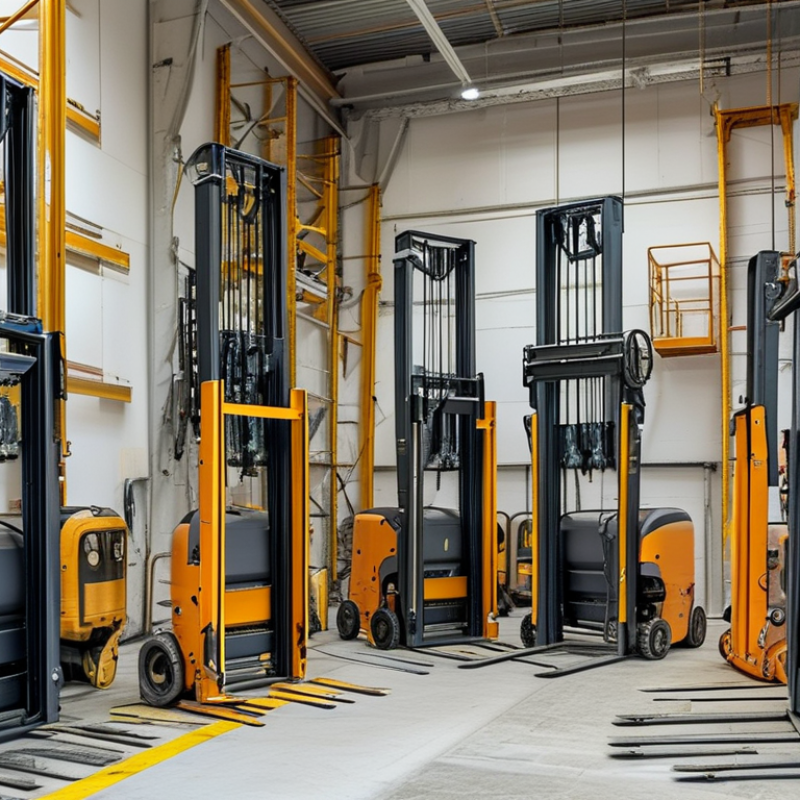
Best 5 Tips to Choose the Right Scissor Lift for Indoor Use?

Understanding the Different Types of Scissor Lifts for Indoor Use

When choosing a scissor lift for indoor use, understanding the types available is crucial. Scissor lifts typically fall into two main categories: electric and rough terrain. Electric models are ideal for indoor applications. They are quieter and emit no harmful fumes, making them suitable for confined spaces. However, they may not have the ruggedness required for variable surfaces.

Rough terrain scissor lifts can operate on uneven ground outdoors. These lifts generally feature larger tires and enhanced stability. However, they are often heavier and may cause damage to indoor flooring. It’s important to consider the weight limits and platform sizes of each type. Carrying heavier loads may require a different lift design, impacting accessibility and maneuverability.

Furthermore, platforms and controls vary by model. Some offer advanced features like extendable platforms or enhanced safety mechanisms. When evaluating options, reflect on your specific needs. Consider what features are truly necessary versus those that may add complexity without clear benefits. Practical experience with these lifts often uncovers insights into their functionality that specifications alone do not reveal.

Assessing Load Capacity Requirements for Your Indoor Tasks

When selecting the right scissor lift for indoor tasks, assessing load capacity is critical. Every project has specific requirements. Think about the weight of the materials you’ll be lifting. It’s important to calculate both the total weight and the distribution of that weight. This ensures the lift operates safely and effectively. You may underestimate the load, leading to potential accidents.

Consider the maximum height needed for your tasks. Higher lifts may require more power. This can impact energy consumption and operational efficiency. It’s essential to balance between height and load capacity. In many cases, you might find yourself choosing a lift that meets the height requirement but barely supports the load. This can be risky.

Evaluate the frequency of use as well. If you intend to use the lift frequently, ensure it can handle continuous operation without strain. Remember that each scissor lift has its limits. Not all models are designed for heavy, repetitive lifting. Understanding these factors will help you make a more informed decision while ensuring safety and performance.

Load Capacity Requirements for Indoor Scissor Lifts

Evaluating the Dimensions and Maneuverability of Scissor Lifts

Choosing the right scissor lift for indoor use relies heavily on dimensions and maneuverability. A compact lift can navigate tight spaces, making it ideal for warehouses and retail areas. Measure your workspace to determine the maximum height and width the lift should accommodate. Consider how the lift fits under ceilings and around obstacles like shelving.

Maneuverability is another critical factor. Look for lifts that can easily turn and move without requiring much space. The turning radius can vary greatly between models. A lift with wheels that provide smooth movement ensures efficiency and safety. If the lift cannot easily maneuver, it may lead to accidents or delays.

However, not all environments are the same. Reflect on specific challenges your location presents. Is your floor surface uneven? This condition may affect how stable the lift is during operation. Regular assessments can prevent mishaps. Not always getting the perfect fit is acceptable, but understanding your needs better can lead to wiser choices.

Considering Power Source Options for Indoor Scissor Lifts

When choosing an indoor scissor lift, the power source is critical. Electric scissor lifts are popular for indoor use. They offer quiet operation and zero emissions. According to a report by the Access Industry Forum, indoor electric lifts can reduce energy consumption by up to 30% compared to older hydraulic models. This efficiency is vital as businesses seek to minimize their environmental impact.

Battery-powered lifts are another option. They provide excellent mobility and flexibility. However, charging infrastructure and battery life can be concerns. Reports indicate that battery life varies between models and can impact productivity. Users should assess how often the lift will be used and plan the charging schedule accordingly.

In contrast, hybrid options are emerging. These lifts combine gasoline engines with electric systems. They offer versatility for indoor and occasional outdoor use. Nonetheless, they may introduce emissions indoors, which is a drawback. Evaluating these power source options is essential before making a decision. Consider the specific needs of the work environment and operational requirements for optimal performance.

Safety Features and Compliance Standards for Indoor Equipment

When selecting a scissor lift for indoor use, safety features and compliance standards are crucial. Indoor environments often pose unique risks, such as tight spaces and overhead obstacles. A reliable scissor lift should include features like non-slip platforms and emergency lowering systems. These enhance user safety in challenging conditions.

Compliance with industry standards ensures that equipment meets necessary safety regulations. This can prevent accidents and improve overall efficiency. Look for lifts that adhere to local and national safety standards. Regular inspections and maintenance are also vital. However, some operators may neglect this aspect, which could create risks over time.

Consider the load capacity and height requirements of your specific tasks. An oversized lift can be cumbersome in indoor settings. Conversely, an underpowered lift may fail to meet operational needs. Balancing functionality with safety is essential for selecting the right lift. Always be prepared to reevaluate choices as your operational needs evolve.

FAQS

: Why is load capacity important when selecting a scissor lift?

: Load capacity ensures the lift operates safely and effectively. Underestimating weight can lead to accidents.

How do I assess the load for my tasks?

Calculate the total weight and its distribution. This helps determine the right lift for your needs.

What should I consider about height when choosing a lift?

Consider the maximum height needed. Higher lifts may consume more power and affect efficiency.

What if the lift meets height requirements but can't support the load?

This can be risky. Always ensure the lift can handle both height and load capacity safely.

How often will I use the scissor lift?

If used frequently, choose a lift designed for continuous operation to avoid strain and risks.

Are safety features important for indoor lifts?

Yes, safety features like non-slip platforms and emergency lowering systems are crucial for user safety.

Should I check for compliance with safety standards?

Absolutely. Compliance prevents accidents and ensures equipment meets necessary safety regulations.

What maintenance should I consider for safety?

Regular inspections and maintenance are vital. Neglecting them can create risks over time.

Can an oversized lift be a problem indoors?

Yes, oversized lifts can be cumbersome. Balance size with functionality for your specific environment.

What if my operational needs change?

Always be prepared to reevaluate your lift choices as your tasks and needs evolve.

Conclusion

When considering how to choose the right scissor lift for indoor use, it is essential to understand the various types available, as each is designed for specific tasks and environments. Start by assessing your load capacity requirements to ensure the lift can safely handle the weight of equipment and personnel. Additionally, evaluating the dimensions and maneuverability of the scissor lift is crucial, especially for tight spaces commonly found indoors.

Power source options also play a significant role in your decision-making process; electric lifts are often preferred for indoor use due to their lower emissions and quieter operation. Finally, safety features and compliance with industry standards should be a priority to ensure the well-being of all users. By carefully considering these factors, you can make an informed choice that meets the demands of your indoor tasks efficiently and safely.

Sophia

Sophia

Sophia is a dedicated marketing professional with an exceptional depth of knowledge about her company's products and services. With a keen understanding of market trends and customer needs, she crafts insightful blog posts that not only inform but also engage readers, enriching the company’s online......