In the fast-paced world of warehousing, understanding equipment longevity is crucial. One common question among warehouse managers is: what is the average lifespan of a warehouse scissor lift? Reports indicate that these lifts typically last between 10 to 15 years, depending on their usage and maintenance. According to industry research, routine inspections can significantly enhance their operational lifespan.
Scissor lifts are essential for maximizing vertical space in warehouses. Frequent usage in demanding environments tends to shorten their lifespan. For instance, lifts used for heavy-duty tasks might require earlier replacements compared to those used sparingly. Additionally, a comprehensive report from the Material Handling Institute notes that proper training for operators can prevent accidents that lead to increased wear and damage.
It's vital for warehouse managers to consider these factors. Evaluating how often equipment is employed can help in making informed decisions about when to upgrade or replace lifts. Ultimately, engaging with expert insights can lead to improved operational efficiency and safety within the warehouse environment.
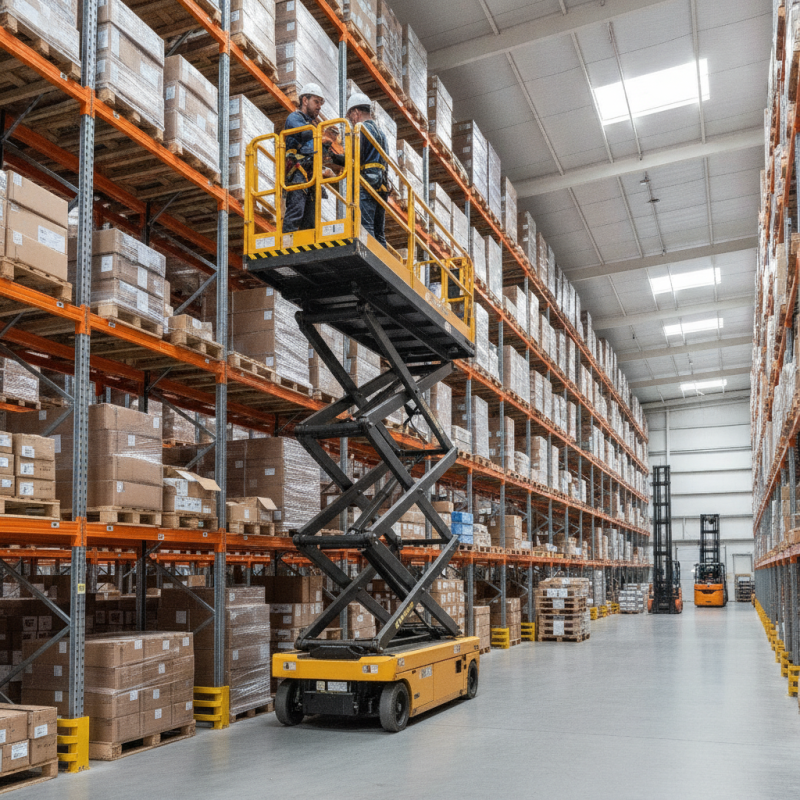
Warehouse scissor lifts play a critical role in various industries. These lifts enhance productivity by allowing workers to reach elevated areas safely. They support tasks such as inventory management, maintenance, and construction. A well-functioning scissor lift can significantly reduce the time needed for these jobs.
In a busy warehouse, space is often limited. Scissor lifts provide a compact solution that can navigate tight aisles effectively. Operators can elevate large items without pushing through obstacles. However, not every lift performs equally. Regular maintenance is key to prolonging their lifespan. A poorly maintained lift can lead to unexpected downtimes. Workers should always inspect equipment before use.
Safety is another essential consideration. Scissor lifts must have safety features to protect operators. For example, guardrails and emergency stop buttons are vital. Training employees on these features can reduce accidents. Recognizing potential risks helps in creating a safer working environment. Striking a balance between efficiency and safety is a constant challenge in warehouse operations.
Scissor lifts are essential in warehouse operations. Their lifespan can vary significantly based on several factors. Regular maintenance is crucial for prolonging their usage. Neglecting this can lead to unexpected failure and increased costs. According to industry reports, a well-maintained scissor lift can last 10 years or more.
Usage frequency greatly influences a scissor lift's longevity. Lifts used daily under heavy loads may wear out faster. Conversely, occasional use can extend their operational life. Moreover, environmental conditions matter. Humidity, temperature extremes, and exposure to corrosive materials can accelerate wear and tear.
Implementing a preventive maintenance schedule is wise. Regular inspections help identify issues before they escalate. Ensure to keep records of all maintenance activities. Also, invest in employee training to reduce misuse, which can lead to premature equipment failure. Monitoring these factors will enhance performance and longevity.
The average lifespan of warehouse scissor lifts in 2026 reflects advancements in technology and materials. Generally, these lifts last between five to ten years, depending on usage and maintenance practices. Regular inspections and proper care can enhance their longevity. Neglecting maintenance leads to shorter lifespans, an issue many users overlook.
Modern scissor lifts now feature stronger materials that withstand wear and tear better than older models. However, operators often misuse these machines, contributing to premature wear. Frequent overloading or improper operation can result in significant damage. Training staff on proper usage has never been more critical for extending the equipment's lifespan. Investing time in training can save costs associated with repairs or replacements.
In 2026, the focus on sustainability grows. Many warehouses aim to reduce their carbon footprint. Using fully electric scissor lifts may also influence longevity. However, the initial investment can be daunting. Many businesses must weigh the long-term benefits against upfront costs. Clear understanding and planning regarding scissor lift maintenance will be essential for keeping them operational longer.
| Model | Average Lifespan (years) | Maximum Load Capacity (lbs) | Operating Height (ft) | Maintenance Frequency (months) |
|---|---|---|---|---|
| Model A | 10 | 3000 | 30 | 6 |
| Model B | 8 | 4000 | 28 | 8 |
| Model C | 12 | 2500 | 35 | 5 |
| Model D | 11 | 3500 | 32 | 7 |
| Model E | 9 | 4500 | 40 | 6 |
When evaluating warehouse scissor lifts, it's essential to consider various brands and models. Each offers unique features that can impact performance and durability. For instance, some lifts provide a higher weight capacity, while others excel in mobility and ease of use. The average lifespan of these machines often varies. Factors like usage frequency, maintenance protocols, and operating conditions can greatly influence longevity.
In practical terms, it's crucial to assess your warehouse's specific needs before making a choice. Look for models that have demonstrated reliability over time. Read reviews and seek expert opinions when available. Not all scissor lifts are created equal. Some may face wear and tear faster than others due to their design or material quality.
Tips: Regular maintenance is vital for extending the lifespan of your lift. Check the hydraulic system for leaks regularly. Also, keep a close eye on the battery health if your lift is electric. These small actions can significantly affect performance. Remember that investing in a quality brand may lead to a better return over time.
Maintaining scissor lifts is vital for their durability and efficient operation. Studies show that proper maintenance can enhance the average lifespan of these lifts, which typically ranges from 5 to 10 years. Regular inspections and timely repairs are crucial. According to a report by industry experts, proactive maintenance yields a 30% increase in equipment lifespan.
To extend the lifespan of scissor lifts, follow a few key tips. First, inspect critical components like brakes, hydraulics, and electrical systems frequently. Address any irregularities immediately. Ensure that all moving parts are lubricated according to the manufacturer’s recommendations. This simple act can prevent wear and tear.
Another important tip is to keep the lifts clean. Dirt and debris can damage the hydraulic systems and electrical components. Cleaning should happen after every use or shift. Neglecting this can lead to larger issues down the line. Finally, train operators on proper usage techniques. Inexperienced handling can significantly reduce the equipment's lifespan. With these practices, scissor lifts can operate efficiently for years.
This chart showcases the average lifespan of various scissor lift models commonly used in warehouses as of 2026. Regular maintenance and proper usage can help extend the lifespan of these essential pieces of equipment.
: They help workers reach high areas safely and efficiently. Tasks like inventory management and maintenance benefit greatly.
They offer a compact design, allowing movement in tight aisles. Operators can lift large items without hindrance.
Lifespan ranges from five to ten years. Usage, maintenance practices, and operator training significantly impact longevity.
Operators often misuse lifts, leading to early wear. Frequent overloading can cause serious damage.
Proper upkeep can increase lifespan by 30%. Inspections and repairs are crucial for avoiding downtime.
Critical components like brakes and hydraulics should be checked often. Addressing issues prevents costly repairs.
Inexperienced handling can lead to significant wear. Proper training helps ensure longer equipment life.
Lifts should be cleaned after every use or shift. This prevents dirt from damaging systems and components.
Lubricate moving parts regularly and inspect for irregularities. These simple actions can enhance performance.
Creating a safe working environment while maintaining productivity is complex. Recognizing risks is crucial for worker safety.
Warehouse scissor lifts are essential for maximizing vertical space and enhancing productivity in logistics and storage operations. Understanding what is the average lifespan of a warehouse scissor lift is crucial for businesses to make informed investment decisions. Factors such as usage frequency, load capacity, maintenance practices, and environmental conditions significantly influence the longevity of these machines.
As we look toward 2026, the average lifespan of warehouse scissor lifts is projected to be more than a decade with proper care. A comparative analysis of various scissor lift models indicates that while performance standards may vary, effective maintenance can greatly extend their operational life. Implementing routine inspections, adhering to manufacturer guidelines, and keeping up with repairs are key maintenance tips that can help organizations maximize the value of their equipment investments.

Kleen Lift